

HCC
Latest News
Latest Videos


CME Content





























More News

No established regimens exist for the treatment of patients with advanced hepatocellular carcinoma after failure of first-line treatment with the multikinase inhibitor sorafenib. Outcomes in the setting of sorafenib resistance or intolerance are poor, with a median expected overall survival for the placebo arms of second-line trials in the range of 7 to 8 months.

Hepatocellular carcinoma has traditionally been an aggressive malignancy, with diagnosis taking place at later stages of disease and a poor prognosis in most patients. However, recent advances in molecular diagnostics and treatment show promise in changing the HCC clinical landscape.

In recent years, knowledge of hepatocellular carcinoma (HCC)-specific tumor-associated antigens and the development of immune checkpoint blockade therapy has offered a positive outlook for patients with HCC.

A more than 25-month improvement in overall survival was seen with lyso-thermosensitive liposomal doxorubicin (LTLD; ThermoDox) combined with optimized (?45 minutes dwell time) radiofrequency ablation in patients with hepatocellular carcinoma.

Almost 10 years following a study that proved intraperitoneal (IP), or abdominal, chemotherapy, along with intravenous (IV) therapy, may add 16 months or more to the lives of women with ovarian cancer, less than half of these patients at US hospitals receive this type of treatment
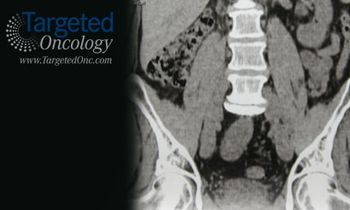
Controversy over optimal surveillance methods for hepatocellular carcinoma (HCC) continues to drive ongoing investigation into improved biomarkers and imaging techniques.
Although liver transplantation may be a more ideal treatment option compared with resection for many patients with hepatocellular carcinoma (HCC), donor availability remains a major limiting factor to its widespread incorporation.

A collection of early phase clinical trials presented at the 2015 ASCO Annual Meeting demonstrated promising results for several novel agents in combination with established treatments for patients with hepatocellular carcinoma (HCC).

Novel agents that target the replication of the hepatitis C virus are poised to have a far-reaching impact on the prevention and recurrence of hepatocellular carcinoma (HCC).

In a 2015, retrospective single-center study, patients with advanced HCC received systemic therapy with sorafenib combined with transarterial chemoembolization (TACE), and outcomes were compared between elderly (>70 years) and nonelderly (<70 years) patients.
Michael Manns, MD, chairman for the Department of Gastroenterology, Hepatology, and Endocrinology, Center of Internal Medicine, Hanover Medical School, Hanover, Germany, Vice President, United European Gastroenterology (UEG), discusses testing and treatment for Hepatitis C in patients with, as well as without, Hepatocellular carcinoma (HCC) liver cancer.

New agents that focus on the duplication of HCV are poised to majorly impact the prevention and recurrence of HCC, as well as show the ability to reverse liver fibrosis and cirrhosis in the treatment of patients with end-stage HCC.

The ASCO Annual Meeting is always packed with the latest and greatest advances in the field of oncology, and this year was no exception! The 2015 meeting had posted record-breaking numbers for abstract submissions and attendance, with over 37,000 individuals crowding the halls of the McCormick Place in Chicago.

Treatment with ramucirumab did not demonstrate a statistically significant improvement in overall survival compared with placebo for patients with hepatocellular carcinoma who had received prior treatment with sorafenib.


Unresectable Hepatocellular Carcinoma