

HCC
Latest News

Latest Videos



CME Content





























More News

The jury is still out on whether stereotactic body radiation therapy (SBRT) should truly be considered a preferred frontline treatment modality for patients with hepatocellular carcinoma (HCC) who are not candidates for surgery, despite an ever-growing body of evidence supporting this approach.
The immune system performs a complex role in the development and growth of hepatocellular carcinoma (HCC), according to evidence from preclinical and clinical studies that are beginning to unravel the cellular components that link cytokines and inflammation with hepatocarcinogenesis.
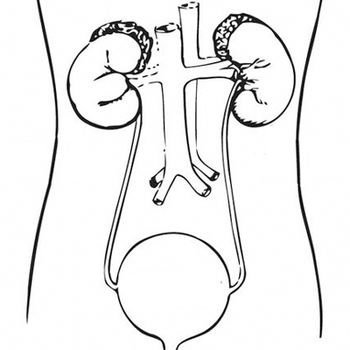
Technological advances and greater understanding of stem cell biology have contributed to the identification and characterization of the tissues and organs involved with these cells.
Richard S. Finn, MD, an associate professor of Medicine at the UCLA David Geffen School of Medicine, discusses the role of immunotherapy in the treatment of liver cancer.
Morris Sherman, MD, PhD, professor of Medicine at University of Toronto, discusses the process of conducting a screening program for liver cancer.

About one quarter of patients (26%) with nonalcoholic steatohepatitis (NASH)-associated hepatocellular carcinoma (HCC) present without cirrhosis at diagnosis, suggesting a crucial subset of patients for future research with implications for HCC screening and surveillance, according to Ju Dong Yang, MD, MSc, at the 10th Annual Conference of the International Liver Cancer Association (ILCA).
Researchers are further exploring the possibility of using an immunotherapeutic vaccinia virus to treat advanced hepatocellular carcinoma (HCC), according to Ghassan K. Abou-Alfa, MD.
Though a new generation of drugs has proved highly effective against the hepatitis C virus (HCV), a leading risk factor for liver cancer in the United States, there is conflicting evidence about whether the therapies promote cancer recurrence in infected patients with hepatocellular carcinoma (HCC) who already have responded to curative treatment.

Bruno Daniele, MD, director, Department of Oncology and Medical Oncology, G. Rummo Hospital, Italy, discusses the significance of the RESORCE trial, which examined the use of regorafenib (Stivarga) as a treatment for patients with hepatocellular carcinoma (HCC).

Jeff Geschwind, MD, professor and chairman, Radiology and Biomedical Imaging, Yale Cancer Center, discusses the potential role that PD-1 inhibitors may play in the treatment of liver cancer.

Ghassan Abou-Alfa, MD, medical oncologist, Memorial Sloan Kettering, discusses the important role that locoregional therapy plays in the treatment of liver cancer.
Dr. Jordi Bruix, MD, head of the Barcelona Clinic Liver Cancer at University of Barcelona, discusses the major impact that regorafenib and sorafenib will have for the treatment of liver cancer.
A critical need remains to identify biomarkers that may aid in hepatocellular carcinoma (HCC) surveillance, treatment stratification, and patient management.
Treatment with a dexamethasone regimen reduced the incidence of transcatheter arterial chemoembolization associated fever, nausea, vomiting, and anorexia in patients with hepatocellular carcinoma.
Upfront treatment with the combination of doxorubicin and sorafenib did not improve overall survival compared with sorafenib alone for patients with advanced hepatocellular carcinoma .
Treatment with the PD-1 inhibitor nivolumab demonstrated an objective response rate of 9% as a second-line therapy for patients with hepatocellular carcinoma.
Treatment with ADI-PEG20 did not demonstrate an improvement in overall survival compared with placebo for patients with advanced hepatocellular carcinoma.
Second-line treatment with regorafenib improved overall survival versus best supportive care in patients with unresectable hepatocellular carcinoma who progressed after receiving sorafenib.
Direct-Acting Antiviral Treatment Linked with HCC Recurrence for Patients with Hepatitis C Infection
By
Data from 2 recent studies indicate that patients infected with hepatitis C virus (HCV) who were treated with direct-acting antiviral (DAA) therapy were more likely to experience a recurrence of hepatocellular carcinoma (HCC) than those who had no previous history of the disease.
Regorafenib (Stivarga) as a second-line therapy for patients with unresectable hepatocellular carcinoma (HCC) who have progressed on sorafenib (Nexavar), showed an improved overall survival (OS) rate of 2.8 months over placebo. Findings from the phase III RESORCE study will be submitted to the FDA and European Medicines Agency (EMA) for potential approval, according to a statement from the developer of regorafenib, Bayer Pharmaceuticals.
Ghassan K. Abou-Alfa, MD, medical oncologist, Memorial Sloan Kettering Cancer Center, discusses the potential impact that regorafenib (Stivarga) could have on the treatment landscape of hepatocellular carcinoma (HCC).
Infusion with 19-28z chimeric antigen receptor (CAR) modified T-cells led to complete response (CR) rates of 77% to 90% and minimal residual disease (MRD)-CR rates of 68% to 70% in adult patients with relapsed or refractory B-cell acute lymphocytic leukemia (B-ALL).
Neratinib, an experimental TKI being developed for breast cancer, achieved a 36% clinical benefit rate in a phase II trial, according to a poster presented June 5, 2016 at the ASCO Annual Meeting in Chicago.

Regorafenib may soon become another successful treatment for patients with unresectable hepatocellular carcinoma, following the demonstration of prolonged survival with the multikinase inhibitor versus best support care in the phase III RESORCE trial.

Sue Naeyaert, senior director of Biosimilars Policy, EMD Serono, discusses the long-term impact that biosimilars could potentially have on the field of oncology.