


HCC
Latest News
Latest Videos





CME Content





























More News

Amit Singal, MD, discusses the recent successes in the HCC treatment landscape and the challenges that still remain.
According to an assessment of a large global dataset reported at the 2017 International Liver Congress, log<sub>10</sub> alpha fetoprotein level in the blood directly corresponded to the years of posttreatment survival in patients with hepatocellular carcinoma.
Patients with advanced hepatocellular carcinoma who were previously treated with sorafenib had long-term responses to nivolumab of more than 1 year.
In patients with hepatocellular carcinoma, liver-targeting treatment with selective internal radiation therapy more effectively controlled liver tumor progression and was better tolerated, but the therapy did not improve rates of overall or progression-free survival over sorafenib.
Mipsagargin, a first-in-class prodrug, showed promising antitumor activity and enabled patients with advanced sorafenib-refractory hepatocellular carcinoma to achieve disease stabilization.
Jordi Bruix, MD, discusses findings of a comparison of modified (m)RECIST and RECIST 1.1 assessments in the RESORCE trial.
In updated results presented at the 2017 International Liver Congress, Spanish researchers raised a red flag regarding observations of unexpected higher rates of hepatocellular carcinoma recurrence following treatment with direct-acting antivirals for hepatitis C virus infection.
Researchers have identified higher levels of hepatocytes positive for pERK immunostaining and greater microvascular invasion as independent prognostic factors of recurrence in patients treated with sorafenib Nexavar for hepatocellular carcinoma.
Results from a study of microRNA-34a and natural killer cells presented at the 2017 International Liver Congress suggest that microRNA-34a, one of the most documented tumor suppressor microRNAs, could have a role in regulating cytotoxicity and development of the effector NK cells and their target cells.
Patients were at no elevated risk of developing hepatocellular carcinoma after achieving sustained virologic response following treatment with direct-acting antiviral therapy for hepatitis C compared to interferon therapy.
NYU Langone has announced Theodore H. Welling III, MD, will lead a new state-of-the-art liver cancer program at the medical center to advance clinical care and accelerate the translation of lab breakthroughs into superior treatments.
Patients with advanced hepatocellular carcinoma had objective responses and prolonged survival when treated with single-agent nivolumab, data from a dose escalation/expansion trial showed.
Lenvatinib was shown to be noninferior to standard therapy with sorafenib in the frontline treatment of patients with unresectable hepatocellular carcinoma.
Supporting the concept of post-progression survival and the influence of different patterns of progression, a new analysis showed patients with advanced HCC had a worse survival following progression if they developed new extrahepatic lesions as opposed to other types of progression.
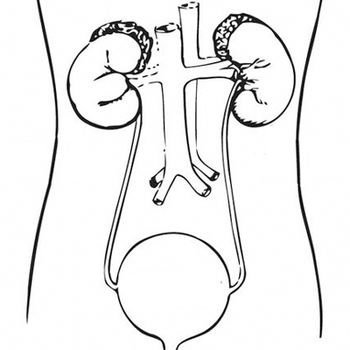
A supplemental new drug application (sNDA) for the use of regorafenib (Stivarga) as a second-line treatment for patients with unresectable hepatocellular carcinoma (HCC) has been granted priority review by the FDA.
Multidisciplinary tumor boards led to higher utilization of guideline-recommended curative therapies, which was associated with improved overall survival (OS) for patients with early-stage hepatocellular carcinoma.

Tim F. Greten, MD, senior investigator, Thoracic and Gastrointestinal Oncology Branch, and head, Gastrointestinal Malignancy Section, National Cancer Institute Center for Cancer Research, discusses the possibility for immunotherapy in liver cancer.

Regorafenib (Stivarga) demonstrates the first survival benefit in second-line setting for patients with hepatocellular carcinoma (HCC) who have progressed on sorafenib, according to results of the phase III RESORCE trial published in <em>The Lancet</em>.

Anti-CD22 chimeric antigen receptor (CAR) T-cell therapy induced an 80% complete remission rate among children and young adults with relapsed/refractory B-cell acute lymphoblastic leukemia.
Early evidence suggests that the combination of locoregional therapy with an immune checkpoint inhibitor is a safe and effective strategy to pursue for patients with advanced hepatocellular carcinoma (HCC), according to a leading liver immunology expert.
Regorafenib has emerged as the clear choice for second-line therapy in advanced hepatocellular carcinoma (HCC) after demonstrating survival improvements for patients whose disease has progressed after systemic treatment, according to liver cancer experts.
A supplemental new drug application (sNDA) for the use of regorafenib (Stivarga) as a second-line treatment for patients with unresectable hepatocellular carcinoma (HCC) has been submitted to the FDA for approval.
Results from a phase II study from Korea demonstrated high rates of tumor local control, overall survival (OS), and grade 1/2 gastrointestinal and hepatic toxicities in patients who received stereotactic body radiotherapy (SBRT) for unresectable hepatocellular carcinoma (HCC) after incomplete transarterial chemoembolization (TACE).
The oral multikinase inhibitor regorafenib (Stivarga) has the potential to become the standard of care as second-line treatment in patients with previously treated hepatocellular carcinoma (HCC) who are unsuitable for loco-regional therapy and have progressed on sorafenib.
Two competing methods of delivering locoregional therapy to patients with hepatocellular carcinoma (HCC) both have advantages and may be most successful in subgroups of individuals with intermediate-stage disease, according to experts who debated the relative merits of the techniques at the 2016 International Liver Cancer Association (ILCA) conference.