
BREAST CANCER
Latest News
Latest Videos

CME Content





























More News



The SOLAR-1 findings were presented during a satellite symposium at the 2019 European Society for Medical Oncology Breast Cancer Annual Congress in Berlin, Germany. The trial demonstrated the role of <em>PIK3CA </em>as a predictive marker for alpelisib’s clinical efficacy, said Peter A. Fasching, MD, associate professor of gynecology and obstetrics at Friedrich-Alexander University of Erlangen-Nuremberg in Germany, during the symposium.
Preventive strategies for severe diarrhea associated with adjuvant treatment with neratinib improved tolerability for the agent when patients received budesonide or colestipol-with-loperamide prophylaxis, according to findings from the CONTROL study.
Biomarker expansion has enjoyed a boom since 2006, with patient incidence of positive biomarkers reaching up to 50% in non–small cell lung cancer and melanoma and 25% in acute myeloid leukemia and myelodysplastic syndromes, according to the <em>Global Oncology Trends 2018</em> report.
Patients with HER2-positive metastatic breast cancer receiving frontline HER2-targeted therapy with pertuzumab and trastuzumab followed by T-DM1 in the second-line setting may be able to forgo chemotherapy without increasing the risk of early death, according to results from the phase II PERNETTA trial.
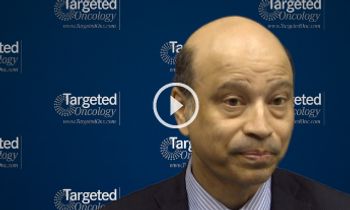
Debu Tripathy, MD, of the Department of Breast Medical Oncology, Division of Cancer Medicine, MD Anderson Cancer Center, was an investigator in the phase III MONALEESA-7 trial. The purpose of the study was to examine how endocrine therapy, in combination with a cyclin-dependent kinase inhibitor, affects progression-free survival and overall survival in premenopausal patients with HR-positive, HER2-negative advanced breast cancer.

A supplemental New Drug Application has been submitted to the FDA for the potential approval of neratinib in combination with capecitabine for the treatment of patients with HER2-positive metastatic breast cancer who have progressed on 2 or more prior HER2-targeted treatments.
In June 2019, the FDA approved a number of agents many fields, including diffuse large B-cell lymphoma, head and neck squamous cell carcinoma, small cell lung cancer, gastroenteropancreatic neuroendocrine tumors, and multiple myeloma. The FDA also approved the fifth biosimilar for trastuzumab and another biosimilar for bevacizumab across several indications.
During a recent <em>Targeted Oncology </em>case-based peer perspectives live dinner event, Massimo Cristofanilli, MD, explained the options for treatment based on the case scenario of a woman with ER-positive breast cancer.<br />
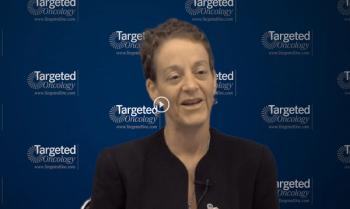
Susan Friedman, executive director and founder, FORCE, a non-profit organization supporting education, advocacy, and research around breast and ovarian cancer, explains the relevance of PARP inhibitors and the recent developments in oncology research that may improve cancer treatment for patients with genetic mutations.
The American Cancer Society, Dana-Farber Cancer Institute, Baptist Cancer Center, and the Mayo Clinic report that treatment patterns varied markedly by cancer type and care facility setting for patients with de novo metastatic disease who died within 1 month after diagnosis, based on an analysis of data from 100,848 patients collected from the National Cancer Database, a hospital-based cancer registry that captures 70% of patients in the United States with a new diagnosis.
The FDA recently released 5 new draft guidance documents that promote broader patient eligibility for cancer clinical trials. The policies encourage inclusion of certain individuals who were previously disqualified due to medical conditions or biological factors, including brain metastases, organ dysfunction, prior or concurrent malignancies, chronic infections, and age.
A cohort of cancer centers was selected to serve as models for identifying key strategies for racial and ethnic minority group engagement in clinical trials. On the basis of several qualifying criteria, such as sustained accrual of minorities into clinical cancer research, an established minority population ≥10% in the overall catchment, an established clinical trial infrastructure, and a formal community outreach program, the investigators identified 8 cancer centers for participation.
In a case-based-style discussion, Tanios S. Bekaii-Saab, MD, and Wells Messersmith, MD, reviewed the treatment of patients with colorectal cancer whose tumors express rare gene mutations or molecular signatures, such as <em>NTRK</em> fusions.
ABP 980, a trastuzumab biosimilar, has been approved by the FDA for the treatment of patients with HER2-overexpressing breast cancer as well as HER2-overexpressing metastatic gastric or gastroesophageal junction adenocarcinoma, marking the fifth approval by the agency for a trastuzumab biosimilar.
<em>Targeted Oncology</em> spoke with experts in attendance at the 2019 ASCO Annual Meeting to review what they believed were some of the biggest takeaways from this year's presentation across the fields of lung cancer, breast cancer, GI cancers, genitourinary cancers, melanoma, and multiple myeloma.
Combining neratinib with capecitabine showed a 24% reduction in the risk of disease progression or death compared with lapatinib plus capecitabine in patients with HER2-positive metastatic breast cancer who had previously received 2 lines of HER2-targeted therapy, according to the results of the phase III NALA trial presented at the 2019 ASCO Annual Meeting.
In the placebo-controlled phase II FAKTION trial, a combination of capivasertib and fulvestrant showed a significant increase in progression-free survival compared to the use of fulvestrant alone in patients with endocrine-resistant estrogen receptor-positive advanced breast cancer.
Based on the results from a phase III SOPHIA clinical trial, the HER2-targeted antibody, margetuximab, was superior to trastuzumab in improving progression-free survival in patients with pretreated HER2-positive metastatic breast cancer. In CD16A-158F carriers, the PFS was significantly enhanced.<br />
Ross Mudgway, BS, explains how a multidisciplinary approach as well as open discussions with the patient can help determine the best course of action for patients with metastatic breast cancer.
Findings from a cohort of the phase II Targeted Agent and Profiling Utilization Registry (TAPUR) basket study revealed that heavily pretreated patients with metastatic breast cancer and high mutational burden benefited from pembrolizumab monotherapy.
According to findings from the phase III MONALEESA-7 trial, peri and premenopausal women with hormone receptor-positive, HER2-negative advanced breast cancer treated with ribociclib plus endocrine therapy demonstrated an estimated overall survival rate of 70.2% at 42 months compared with 46% for placebo and endocrine therapy.
According to the latest Annual Report to the Nation on the Status of Cancer, cancer death rates have declined in men, women, and children across all cancer types, and have continued to decline between 1999 and 2016. In a special section of this year’s report, however, data show that both cancer incidence and death rates were higher in women aged 20 to 49 compared to male counterparts.