

BRAIN CANCER
Latest News

A More Frequent Lanreotide Dose May Delay the Need for Other Therapies in NETs
By Gina Mauro
Latest Videos


CME Content





























More News

Results from the DUNE trial of durvalumab added to tremelimumab in patients with advanced neuroendocrine tumors of gastroenteropancreatic and lung origins showed limited activity, according to a presentation held during the 2020 European Society of Medical Oncology Virtual Congress.

Enzastaurin is on track to serve an unmet medical need in the treatment landscape of glioblastoma. Neuro-oncologists are waiting on the launch of an important clinical trial to further demonstrate the efficacy of the drug.

The FDA has granted an Orphan Drug designation to rhenium nanoLiposomes for the treatment of patients with recurrent glioblastoma.
The FDA announced draft guidance, which provides recommendations for the design of clinical trials and biological products for product labeling for those with brain metastases regulated by the Center for Drug Evaluation and Research and the Center for Biologics Evaluation and Research.
The FDA granted a Fast Track designation to paxalisib for the treatment of patients with newly diagnosed glioblastoma with unmethylated MGMT promotor status who have completed initial radiation and temozolomi
In an interview with Targeted Oncology, Stephanie Weiss, MD, reviewed the treatment landscape for HER2-positive metastatic breast cancer and gave her predictions on how the paradigm will evolve for patients with brain metastases now that tucatinib has demonstrated efficacy.

In the first pooled prospective study to show the long-term outcomes of cranial radiation in patients with limited brain metastases, it was observed that whole-brain radiotherapy was associated with worse cognitive outcomes and mixed quality of life compared with stereotactic radiosurgery for these patients over time, according to a presentation from Joshua Palmer, MD, at the 2020 Virtual Conference on Brain Metastases.

Joshua Palmer, MD, discusses a pooled analysis of 2 randomized clinical trials that compared how clinical outcomes and quality of life were impacted with stereotactic radiosurgery versus whole-brain radiation therapy in patients with brain metastases.
Multiple positive responses were observed in an exploratory efficacy analysis evaluating tucatinib in combination with trastuzumab and capecitabine in patients with previously treated HER2-positive metastatic breast cancer with brain metastases in the previously reported HER2CLIMB trial.

David Roberge, MD, discusses the current role of radiosurgery in the brain metastasis treatment paradigm, a topic he reviewed during a presentation at the 2020 Society of Neuro-Oncology Conference on Brain Metastases.
A completed Biologics License Application was submitted to the FDA for omburtamab, an investigation monoclonal antibody, which is intended for the treatment of pediatric patients with central nervous system/leptomeningeal metastasis from neuroblastoma.
In an interview with Targeted Oncology, David Reardon, MD, discussed the background and findings for the phase 1/2 clinical trial of INO-5401 and INO-9012 plus cemiplimab in patients with newly diagnosed glioblastoma.

David Reardon, MD, discusses the interim results and toxicity with INO-5401 and INO-9012 delivered intramuscularly with electroporation in combination with cemiplimab in patients with newly diagnosed glioblastoma.
Enzastaurin, a first-in-class small molecule, has been granted a Fast Track designation by the FDA for the potential treatment of patients with newly diagnosed glioblastoma.
In an interview with Targeted Oncology, Macarena de la Fuente, MD, discussed the findings from a phase 1b/2 study of olutasidenib as treatment of patients with relapsed/refractory IDH1-mutated gliomas, either alone or in combination with azacitidine.
The FDA granted Fast Track designation to the glutamate-binding molecule, anhydrous enol-oxaloacetate, for the treatment of patients with newly diagnosed glioblastoma multiforme.
A rolling Biologics License Application has been initiated for omburtamab for the treatment of pediatric patients with central nervous system/leptomeningeal metastases from neuroblastoma
Treatment of glioblastoma has seen few advancements since the approval of temozolomide plus radiotherapy in 2005 for newly diagnosed disease. Recently, promising clinical data have reinvigorated hope for novel therapies in this tumor type.
"Breakthrough designation for the companion diagnostic is a big step forward in our endeavor to ensure that more clinicians can have quicker access to comprehensive genomic information."
Glioblastoma currently has a dismal survival rate of only 14.6 months from its diagnosis. We believe berubicin, which based on limited clinical data appears to be the first anthracycline to cross over the blood-brain barrier in adults, provides a potentially novel therapy for the treatment of malignant gliomas.
"We believe that the FDA’s acceptance of our BLA for priority review of our first leading antibody compound, naxitamab, is a significant achievement for Y-mAbs and a crucial step forward as we anticipate that naxitamab if approved, can address a significant unmet medical need for [patients] with relapsed/refractory high-risk neuroblastoma."
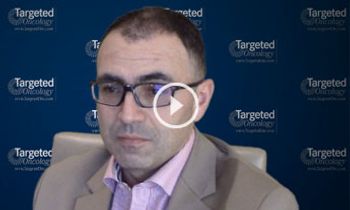
Mustafa Khasraw, MD, discusses a follow-up trial to the VERTU study for patient with methylated or unmethylated MGMT glioblastoma who responded well to temozolomide chemotherapy and radiation.
An autologous dendritic cell vaccine consisting of autologous dendritic cells loaded with autologous tumor-associated antigens demonstrated promising survival findings in patients with newly diagnosed glioblastoma, according to updated data from a year-end analysis of an ongoing phase II clinical trial.
The FDA has approved selumetinib for the treatment of pediatric patients, aged 2 years and above, with neurofibromatosis type 1 who have symptomatic, inoperable plexiform neurofibromas.
Paxalisib had a strong signal of clinical efficacy in patients with newly diagnosed glioblastoma, according to the interim analysis of a phase II clinical trial. Survival was compared to previous data on the FDA-approved standard of care, temozolomide, from another study. Although the comparison of different studies is not precise, the magnitude of numerical difference in survival provides evidence that this agent may extend life in patients with glioblastoma, Kazia Therapeutics announced in a press release.