
In an interview with Targeted Oncology following the tweet chat, Cyrus M. Khan, MD, discussed the emerging and recent data he thinks could influence the case we discussed.
Jordyn Sava is an editor for Targeted Oncology.
In an interview with Targeted Oncology following the tweet chat, Cyrus M. Khan, MD, discussed the emerging and recent data he thinks could influence the case we discussed.

Based on preclinical studies which have shown the clinical benefit of Olvi-Vec, a phase 3 trial evaluating the agent in combination with platinum-doublet chemotherapy and bevacizumab has commenced in patients with platinum-resistant/refractory ovarian cancer.

In an interview with Targeted Oncology Richard Finn, MD, discussed the implications of the LEAP-002 trial.
Due to the potential detriment in overall survival, its failure to demonstrate a progression-free survival benefit, and the lack of a known appropriate dose, ODAC has voted that melphalan flufenamide is not favorable in relapsed/refractory multiple myeloma.

In an interview with Targeted Oncology, Mazyar Shadman, MD, MPH, discussed what community oncologists should keep in mind when treating patients who are viable for CAR T-cell therapy.

Enrollment has begun in the phase 1b trial examining PY159 alone and in combination with pembrolizumab in patients with unresectable and/or metastatic solid tumors that are refractory or relapsed to standard of care.
The FDA has granted approval to Pedmark to reduce the risk of ototoxicity associated with cisplatin in pediatric patients.
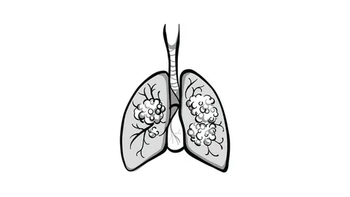
Findings of the phase 2 LCMC3 trial of atezolizumab in untreated, resectable, stage IB–IIIB non–small cell lung cancer show anti-PD-L1 monotherapy to be effective in this patient population.
Approval has been granted to aprepitant injectable emulsion by the FDA for the prevention of postoperative nausea and vomiting in adult patients.
In an interview with Targeted Oncology, Jonathan Rosenberg, MD, further discussed the background and results of the EV-103 study in patients with locally advanced metastatic urothelial cancer.

Nearly all patients with HR-positive breast cancer are treated with endocrine therapy, yet Black women are 4 times more likely to die of this disease compared with White women.
In an interview with Targeted Oncology, Pierre Gholam, MD, discussed multiple studies currently influencing the hepatocellular carcinoma treatment landscape.

A patient with estrogen receptor positive, HER2-negative metastatic breast cancer enrolled in the phase 2 ELAINE 1 trial demonstrated a durable complete response when treated with lasofoxifene.

Robust and durable antitumor activity continues to be shown with pembrolizumab in patients with microsatellite instability-high or mismatch repair-deficient advanced endometrial cancer.

In an interview with Targeted Oncology, Matthew Matasar, MD, discusses background information on the ongoing VITALIZE trial of maveropepimut-S in patients with diffuse large B-cell lymphoma.
Pediatric oncologists are facing unprecedented challenges in the aftermath of the COVID-19 pandemic. In Boston, one cancer institute still has reminiscent encounters with pediatric patients.
In an interview with Targeted Oncology during the EMSO Annual Congress, David O’Malley, MD, discussed the phase 1 study of ubamatamab in ovarian cancer.

Topline data presented at ESMO 2022 showed DZD9008 met its primary end point of objective response rate and had a benign safety profile in non–small cell lung cancer with EGFR exon 20 insertion mutations.
The FDA has granted approval for an investigational new drug protocol amendment for ABT-101, a mutant selective tyrosine kinase inhibitor which has shown superior selectivity against HER2 exon 20 mutations in NSCLC in preclinical studies.

With an overall response rate of 50% and greater than 5 months median progression-free survival in patients with first-line metastatic uveal melanoma, darovasertib and crizotinib shows a compelling clinical efficacy profile.
Data from the monotherapy analysis of the phase 3 ATHENA trial has led to the submission of a supplemental new drug application to the FDA and EMA for rucaparib as treatment for patients with advanced ovarian cancer.
The FDA has granted an orphan drug designation to DUNP19 for patients with osteosarcoma.

The combination of orelabrutinib plus the R-CHOP regimen revealed a positive overall response rate of 86.4% when given to patients with non-germinal center B cell-like diffuse large B-cell lymphoma.
The FDA has approved eflapegrastim-xnst injection for adult patients with non-myeloid malignancies receiving myelosuppressive anti-cancer drugs linked with clinically significant incidence of febrile neutropenia.

Updated findings of the MONARCH 3 trial of abemaciclib added to a nonsteroidal aromatase inhibitor presented at ESMO 2022 revealed prolonged overall survival in hormone receptor-positive, HER2-negative breast cancer.
The FDA granted an orphan drug designation to AVA6000 for the treatment of patients with soft tissue sarcoma.
AMB-05X has been granted fast track designation for the treatment of patients with tenosynovial giant cell tumor of the knee by the FDA.

Findings from the phase 3 ORIENT-31 study shows improved progression-free survival with sintilimab with or without bevacizumab biosimilar injection and chemotherapy in EGFR-mutated non-squamous non-small cell lung-cancer.
The phase 2 MASTER trial of daratumumab, carfilzomib, lenalidomide, and dexamethasone demonstrates the promise of minimal residual disease surveillance in newly diagnosed multiple myeloma with 0 or 1 high-risk cytogenetic abnormalities

Mark Yarchoan, MD, discusses the current hepatocellular carcinoma space as well as 3 late breaking abstracts that will be presented at the 2022 ESMO Congress.