The FDA has accepted an application for the approval of fam-trastuzumab deruxtecan-nxki for the treatment of select adult patients with unresectable or metastatic HER2-low breast cancer.
Jordyn Sava is an editor for Targeted Oncology.
The FDA has accepted an application for the approval of fam-trastuzumab deruxtecan-nxki for the treatment of select adult patients with unresectable or metastatic HER2-low breast cancer.

Focused cancer centers increased hemithyroidectomy 2 years prior to the release of the newest American Thyroid Association guidelines. However, only community cancer program hospitals began to increase hemithyroidectomy utilization following release of guidelines.
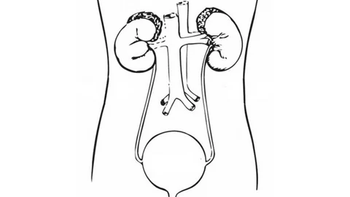
In an interview with Targeted Oncology, Vignesh Packiam, MD, discussed the research of gemcitabine plus cabazitaxel and pembrolizumab in patients with non-muscle invasive urothelial carcinoma who are unresponsive to docetaxel.

The phase 3 CALGB 9343 study significantly changed prescription patterns for patients with metastatic colorectal cancer, according to a presentation at the International Society for Pharmacoeconomics and Outcomes Research 2022.

Data revealed that a longer time to treatment discontinuation seen with asciminib favored its relative tolerability, correlating with the better-observed safety profile, according to data presented at the International Society for Pharmacoeconomics and Outcomes Research 2022
In an interview with Targeted Oncology, Gerald Falchook, MD, discusses the efficacy and safety of cobolimab with or without nivolumab and dostarlimab, as evaluated in the phase 1 AMBER trial.
The FDA has granted fast track designation and rare pediatric disease designation for WU-CART-007 as treatment for patients with relapsed or refractory T-cell acute lymphoblastic leukemia or lymphoblastic lymphoma.
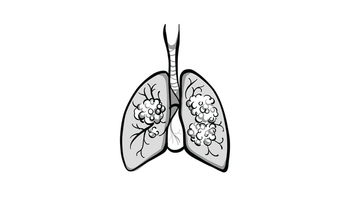
The phase 2 THIO-101 clinical trial evaluating THIO in combination with cemiplimab in patients with advanced non—small cell lung cancer has dosed its first patient.
In an interview with Targeted Oncology, Mary O’Brien, MD, discussed background of the second interim analysis of the triple-blind, phase 3 PEARLS/KEYNOTE-091 study.
The development of vicineum for the treatment of patients with high-risk, Bacillus Calmette-Guerin-unresponsive non–muscle invasive bladder cancer has been voluntarily paused.

In an interview with Targeted Oncology, Lajos Pusztai, MD, DPhil, discussed the updated findings of the phase 3 KEYNOTE-522 clinical trial of pembrolizumab plus chemotherapy in patients with TNBC vs placebo plus chemotherapy.
An orphan drug designation has been granted to DSP-0390 by the FDA as treatment in patients with brain cancer.
The Pediatric Oncology Subcommittee of the FDA’s Oncologic Drug Advisory Committee met to discuss the assessment of new drugs for the treatment of pediatric cancers. The goal of the meeting was to develop a new framework for application review.
Findings from the phase 3 APHINITY study show that the combination pertuzumab, trastuzumab, and chemotherapy improves invasive disease-free survival compared with trastuzumab and chemotherapy alone in patients with lymph node-positive, HER2-positive early breast cancer.

In an interview with Targeted Oncology, Aaron T. Gerds, MD, MS, discussed phase 3 MOMENTUM study and how it has impacted the clinical trial development of momelotinib for the treatment of patients with myelofibrosis.
The FDA has approved crizotinib as treatment for adult and pediatric patients aged 1 year and older with unresectable, recurrent, or refractory inflammatory ALK-positive myofibroblastic tumors.
The FDA has deferred action on the biologics license application for tislelizumab as a second-line treatment in esophageal squamous cell carcinoma.

In the interview, Mark Markowski, MD, discussed how the findings from the phase 1/2 trial of sabizabulin in patients with metastatic castration-resistant prostate cancer this may influence future research with the oral agent.
Orphan drug designation has been granted to NT-I7 by the FDA for patients with glioblastoma multiforme.
An orphan drug designation and a fast track designation have been granted by the FDA to a novel sonodynamic therapy platform as a potential treatment for patients with recurrent glioblastoma and other malignant gliomas.
In an interview with Targeted Oncology, Matthew T. Campbell, MD, examined the positive phase 1 study results of infigratinib for the treatment of patients with localized upper tract urothelial cancer.
Remote technology and decentralization tools in cancer clinical trials may be linked to an increase in patient consent rate, according to findings from a cross-sectional study.
Two phase 1/2 trials of IAP0971 and IAE0972 in patients with locally-advanced or metastatic malignant tumors have dosed their first patients.
Orphan drug designation has been granted by the FDA to PBI-200 for the treatment of patients with NTRK fusion–positive solid tumors, including primary and metastatic brain tumors.
In an interview with Targeted Oncology, Anne Wooford, MD, discussed a study of 27 patients with a variety of hematological conditions, unable to find a human leukocyte match donor.
Praluzatamab ravtansine achieved confirmed overall response rate in patients with advanced hormone receptor–positive, HER2-negative breast cancer, meeting the primary end point of the phase 2 CTMX-2009-002 trial.
Findings from part A of the phase 2/3 RINGSIDE trial reveal AL102 to demonstrate favorable safety in patients with desmoid tumors.
In an interview with Targeted Oncology, Sam S. Chang, MD, MBA, discussed the background of N-803 plus BCG in patients with BCG-unresponsive non-muscle invasive bladder cancer and what he expects for the future of this space.
A biologics license application resubmission for toripalimab in combination with gemcitabine and cisplatin and for toripalimab monotherapy has been accepted by the FDA.
The Biden Administration has announced a new model, the Enhancing Oncology Model, aimed at improving cancer care for Medicare and Medicaid patients and lowering health care costs.