Based on the outcome of the confirmatory phase 3 OCEAN study, the FDA has requested melphalan flufenamide be withdrawn for patients with relapsed or refractory multiple myeloma.
Jordyn Sava is an editor for Targeted Oncology.
Based on the outcome of the confirmatory phase 3 OCEAN study, the FDA has requested melphalan flufenamide be withdrawn for patients with relapsed or refractory multiple myeloma.

In an interview with Targeted Oncology, Thomas Kipps, MD, PhD, explained the new treatment options and challenges being faced in the chronic lymphocytic leukemia space.

Frontline treatment with dostarlimab and chemotherapy reduced the risk of disease progression and led to better objective response rates and progression-free survival vs pembrolizumab in patients with metastatic non-squamous non–small cell lung cancer.
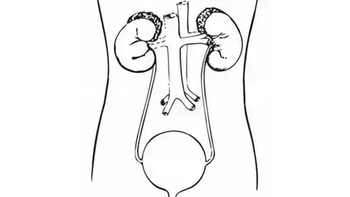
Patients with low-grade upper tract urothelial cancer elicited a clinical benefit at the end of the phase 3 OLYMPUS study when treated with UGN-101.

In an interview with Targeted Oncology, David J. Straus, MD, discussed the newest data of the ECHELON-1 trial which he presented at the National Comprehensive Cancer Network 2022 Annual Congress: Hematologic Malignancies.

In an interview with Targeted Oncology, Glenn J. Hanna, MD, discussed the phase 2 study evaluating treatment with nivolumab in patients with high-risk oral proliferative leukoplakia.
Based on phase 1 data of the AUGMENT-101 trial, the FDA has granted a breakthrough therapy designation to SNDX-5613 for patients with relapsed or refractory KMT2A rearranged acute leukemia.

In an interview with Targeted Oncology, Chad Tang, MD, The University of Texas MD Anderson Cancer Center, discussed background and implication of findings from the EXTEND trial.
The clinical hold for the development of BEAM-201 has been lifted, allowing investigators to assess the agent in patients with relapsed/refractory T-cell acute lymphoblastic leukemia/ T-cell lymphoblastic lymphoma.
Eprenetapopt combined with azacitidine as maintenance therapy after hematopoietic stem-cell transplant induced encouraging relapse-free and overall survival in patients with TP53-mutant acute myeloid leukemia and myelodysplastic syndrome.
Patients with multiple myeloma administered daratumumab in combination with bortezomib and dexamethasone demonstrated improvements in overall survival compared with those given bortezomib and dexamethasone alone.
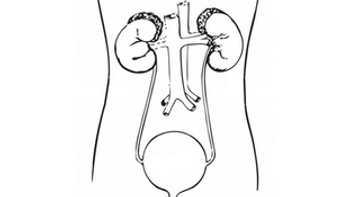
The phase 1 INSIGHT-005 trial will further evaluate the combination of eftilagimod alpha and avelumab in patients with metastatic urothelial cancer.

In an interview with Targeted Oncology, Christopher R. D’Angelo, MD discussed recent approvals in the multiple myeloma space and how to treat patients using immunotherapy.
Findings from the phase 1 CALM study evaluating the allogeneic genome-edited anti-CD19 chimeric antigen receptor T-cell product UCART19 show it can be safely used for patients with relapsed or refractory B-cell acute lymphoblastic leukemia.
Following positive new data from a phase 1/2 study examining batiraxcept in patients with clear cell renal cell carcinoma, the agent has been granted fast track designation by the FDA.

Clinically meaningful differentiation across efficacy measures were seen in patients administered domvanalimb in combination with zimberleimab or etrumadenant vs zimberelimab monotherapy.
Fast track designation has been granted to REM-001 therapy for patients with cutaneous metastatic breast cancer based on positive data from 4 phase 2/3 studies.

In an interview , Ali Zaidi, MD, discussed how the treatment landscape for patients with esophageal cancer has evolved over previous years and what research aims to look at in the near future.

In an interview with Targeted Oncology, Chelsea C. Pinnix discussed the results of a phase 2 study and how these promising results will shift the treatment paradigm of patients with orbital indolent B-cell lymphoma.

Favorable long-term survival rates and manageable rates of graft-vs-host disease were elicited with omidubicel in patients with hematologic malignancies who underwent allogeneic stem cell transplant.

Updated analysis from the phase 1/2 ARROW study evaluating pralsetinib in patients with RET fusion-positive non–small cell lung cancer showed the agent to be well tolerated and to elicit clinical activity at a dose of 400 mg daily.
In an interview with Targeted Oncology, Jia Ruan, MD, PhD, discussed the updates in the mantle cell lymphoma space, including understanding molecular pathogenesis and risk stratification for this patient population.
In an interview with Targeted Oncology, Srdan Verstovsek, MD, discussed the current MPN treatment landscape and where the field is shifting.

Preclinical data shows the potential of oxMIF as a new immuno-oncology target which may be helpful in treating patients with metastatic colorectal cancers

With an overall response rate of 38.6% and a consistent safety profile of that seen in prior trials, afamitresgene autoleucel continues to show clinical responses in patients with late-stage synovial sarcoma.
In pediatric patients with relapsed/refractory B-cell acute lymphoblastic leukemia, complete remissions were achieved in 99.0% of patients and their overall 12-month event-free survival was 73.5% with CD19-/CD22-chimeric antigen receptor therapy.
Additional data is needed for lifileucel before it is granted a biologics license application by the FDA for patients with unresectable or metastatic melanoma.
In an interview with Targeted Oncology, Mark R. Litzow, MD, discussed managing patients with different subtypes of ALL and the session he was a part of during the National Comprehensive Cancer Network 2022 Annual Congress: Hematologic Malignancies.

In an interview with Targeted Oncology, Karie Runcie, MD, provided an assessment on the Clavien-Dindo classification system and discussed initial results of the Cyo-KIK trial.
The FDA has approved a new dosing schedule of Rylaze for patients with acute lymphoblastic leukemia and lymphoblastic lymphoma.