
A phase 1/2 clinical trial evaluating treatment with MRT-2359 in MYC-driven solid tumors has dosed its first patient and looks to improve early signals of clinical activity.
Jordyn Sava is an editor for Targeted Oncology.
A phase 1/2 clinical trial evaluating treatment with MRT-2359 in MYC-driven solid tumors has dosed its first patient and looks to improve early signals of clinical activity.

In an interview with Targeted Oncology, Marcin Dzienis, MD, further discussed the phase 4 trial of pembrolizumab plus carboplatin and paclitaxel in patients with recurrent/metastatic head and neck squamous cell carcinoma.
Here is a look back at the FDA happenings from the month of October 2022.

A phase 1/2 study of ZN-c3, encorafenib, and cetuximab in patients with BRAF V600E-mutated colorectal cancer will begin, led by Zentalis Pharmaceuticals and Pfizer.
Richard S. Finn, MD, discusses the background on lenvatinib and what led to the development of the LEAP-002 trial.

In the prespecified interim analysis of the COMMANDS trial for low-risk myelodysplastic syndromes, luspatercept had statistically significant and clinically meaningful improvements in red blood cell transfusion independence with no new safety signals.
During a presentation at the 14th Annual International Congress on Myeloproliferative Neoplasms, Naveen Pemmaraju, MD, discussed the current agents being examined for MPNs.
In a unanimous vote, the FDA’s Oncologic Drugs Advisory Committee has voted that there is not enough evidence to conclude omburtamab improves overall survival in neuroblastoma with central nervous system/leptomeningeal metastases.

In an interview with Targeted Oncology, Alfred L. Garfall, MD, discussed the FDA approval of teclistamab, the MajesTEC-1 trial, and how this information should be used in the future.

In an interview with Targeted Oncology, Nicholas J. Short, MD, discussed the evolution of the treatment landscape for acute lymphoblastic leukemia and what he hopes is next to come.

The phase 3 CHART study reveals better survival with rezvilutamide plus androgen deprivation therapy vs bicalutamide and androgen deprivation therapy in metastatic, hormone-sensitive prostate cancer.
Despite the small number of patients enrolled, the confirmatory phase 3 LIGHTHOUSE study of melphalan flufenamide in patients with relapsed/refractory multiple myeloma demonstrates promising safety and efficacy.
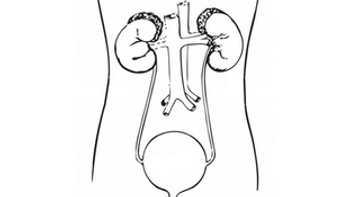
In an interview with Targeted Oncology, Philippe Barthelemy, MD, discussed the preliminary findings of the AVENANCE trial of avelumab in patients with advanced or metastatic urothelial carcinoma.
With all patients with solid tumors enrolled in the phase 1 study of QBS72S, 2 more studies evaluating the agent in brain malignancies will commence.
Based on positive responses from the phase 1/2 MajesTEC-1 trial, the FDA has granted approval for the use of teclistamab-cqyv in relapsed or refractory multiple myeloma.

In an interview with Targeted Oncology, Eytan M. Stein, MD, discussed the benefits and potential use of menin inhibition for patients with acute myeloid leukemia.
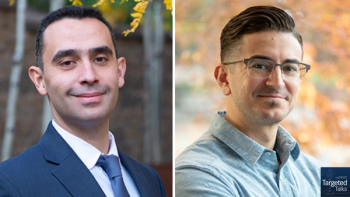
In season 3, episode 9 of Targeted Talks, Mohammed Salhab, MD, and Chris Fine, MD, FACC, have a special discussion about cardiotoxicity from immune checkpoint inhibitor therapy in patients with cancer.
In the phase 1/2 LIBRETTO-001 trial, selpercatinib demonstrated promising safety and efficacy in patients aged 18 years and older with RET-altered cancers.
In an interview with Targeted Oncology, Nitin Jain, MD, further discussed the ongoing research of allogeneic chimeric antigen receptor T cells as treatment for patients with ALL. He also notes what future research must examine to further the field.
Based on data from the phase 3 QuANTUM-First trial, the FDA has accepted and granted priority review to the new drug application for quizartinib for patients with FLT3-ITD-positive acute myeloid leukemia.
Findings from the phase 3 HIMALAYA trial have led the FDA to grant approval to the combination of tremelimumab and durvalumab for the treatment of patients with unresectable hepatocellular carcinoma.

During a tweet chat, Shifeng S. Mao, MD, PhD and Targeted Oncology Twitter followers discussed the case of 59-year-old woman with clear-cell renal cell carcinoma ad best treatment options for the patient.
After participating in a primary care-based follow-up program, 53% of patients have been discharged and have fully transitioned to their primary care provider.
In an interview with Targeted Oncology, Tapan M. Kadia, MD, discussed the changes seen in the treatment landscape for patients with acute myeloid leukemia, specifically highlighting elderly and/or unfit patients.
In an interview with Targeted Oncology, Alexey Danilov, MD, PhD, delved into the latest treatment strategies and approvals investigated for patients with chronic lymphocytic leukemia.

TAC01-HER2 elicited encouraging safety and clinical activity in patients with HER2-positive solid tumors with no dose limiting toxicities, cytokine release syndrome, or immune effector cell-associated neurotoxicity observed.

In an interview with Targeted Oncology, Gene G. Finley discussed the many wins and losses experts have seen in the small cell lung cancer space. He also explained his hopes for the future of this space.
TTI-101, an oral, small molecule, STAT3 inhibitor, has been granted fast track designation by the FDA for patients with hepatocellular carcinoma.

The phase 2 DeFianCe study will evaluate the safety and efficacy of DKN-01 combined with bevacizumab and chemotherapy in patients with colorectal cancer vs becazixumab and chemotherapy alone.

Results from the melanoma cohort of the phase 1/2 MATINS show the potential of bexmarilimab monotherapy and combined with other immunotherapies across solid tumors and hematologic malignancies.