
The phase 3 EMERALD-1 trial has met its primary end point and continues to assess durvalumab combined with transarterial chemoembolization and bevacizumab for the secondary end point of overall survival in patients with hepatocellular carcinoma.
Jordyn Sava is an editor for Targeted Oncology.
The phase 3 EMERALD-1 trial has met its primary end point and continues to assess durvalumab combined with transarterial chemoembolization and bevacizumab for the secondary end point of overall survival in patients with hepatocellular carcinoma.
Fruquintinib is a new, well-tolerated option for the treatment of patients with refractory metastatic colorectal cancer.

Combining sotorasib and panitumumab improved progression-free survival for patients with KRAS G12C mutation in metastatic colorectal cancer, based on the phase 3 CodeBreaK 300 trial.
CMG901 was active and had a manageable safety profile in a heavily pretreated population of patients with CLDN18.2-positive gastric/gastroesophageal junction cancer.
Irrespective of PD-L1 expression, patients treated with domvanalimab, zimberelimab, and chemotherapy in arm A1 of the phase 2 EDGE-Gastric study demonstrated promising overall response rate and 6-month progression-free survival results.

In an interview, Mwanasha Merrill discussed the implication of findings from a phase 2 trial of pembrolizumab after autologous stem cell transplantation for the treatment of patients with peripheral T-cell lymphoma.
Data from the phase 2 of the RINGSIDE trial have led the FDA to grant an orphan drug designation to AL102 as a potential therapeutic option for patients with desmoid tumors.
Encouraging progression-free survival and ctDNA molecular response rates were seen with SD-101 delivered via pressure-enabled drug delivery plus intravenous checkpoint inhibitors in patients with metastatic uveal melanoma with liver metastases.

In an interview, Funda Meric-Bernstam, MD, discussed the phase 2 DESTINY-PanTumor02 trial and the data on fam-trastuzumab deruxtecan-nxki for the treatment of patients with HER2-expressing cancers.
With an investigational new drug granted to ZH9 by the FDA, a clinical development program for the treatment of patients with non-muscle invasive bladder cancer can be initiated.
Rhenium obisbemeda shows potential to address the unmet need of new treatment options for patients with breast cancer and leptomeningeal metastases and will continue to be evaluated in the ReSPECT-LM program.

In an interview with Targeted Oncology, Joseph M. Scandura, MD, PhD, discussed research on pelabresib for the treatment of patients with myeloproliferative neoplasms.
With a partial clinical hold in place, patient enrollment must halt in the phase 1 NX-2127-001 trial.
With over half of the patients enrolled in the phase 2 trial evaluating paxalisib in relapsed/refractory primary central nervous system lymphoma, some partial responses and stable disease have already been seen.
Here’s a look back at the notable FDA updates from October 2023.

The approval of pembrolizumab with gemcitabine and cisplatin offers a new immunotherapy regimen for patients with locally advanced unresectable or metastatic biliary tract cancer.
With the clinical hold lifted by the FDA, the phase 1 trial of XMT-2056 will continue to evaluate the agent's safety, tolerability, and efficacy in patients with HER2-expressing solid tumors.
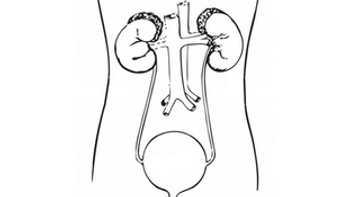
In an interview with Targeted Oncology, Brian Ramnaraign, MD, further discussed the safety of immune checkpoint inhibitors in patients with genitourinary cancers.
Roginolisib, a first-in-class small molecule allosteric modulator of PI3Kδ, has been given the green light by the FDA to continue studies for patients with solid and hematologic malignancies.

The phase 3 MOTION study met its primary end point of objective response rate at week 25, as well as key secondary end points, when patients with tenosynovial giant cell tumor were given vimseltinib.
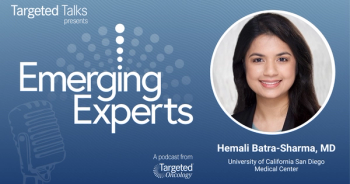
In the second episode of Emerging Experts, Hemali Batra-Sharma, MD, discusses her passion for oncology and some of the experiences that have helped to shape her career.

In an interview with Targeted Oncology, Skye Montoya discussed noncovalent Bruton's tyrosine kinase inhibitors and mechanisms of resistance in chronic lymphocytic leukemia.
TAC01-HER2, an autologous TAC-T cell lead asset made to target HER2 in relapsed or refractory gastric and gastroesophageal junction tumors, is being further evaluated in phase 2 of the TACTIC-2 study.

In the phase 2 GUIDANCE-01 trial, R-CHOP combined with targeted agents led to a higher response rate vs R-CHOP alone in patients with high-risk diffuse large B-cell lymphoma.
Toripalimab in combination with gemcitabine and cisplatin, as well as toripalimab monotherapy, has been granted approval by the FDA for patients with recurrent, unresectable, or metastatic nasopharyngeal carcinoma.

In an interview with Targeted Oncology, Francis P. Worden, MD, discussed data from the COSMIC-311 study which support treatment with cabozantinib for patients with radioiodine-refractory differentiated thyroid cancer.

October is Liver Cancer Awareness Month, and strides continue to be made in the realm of liver cancer diagnosis and treatment. Two experts, Joan Culpepper-Morgan, MD, and Susanne G. Warner, MD, shed light on some of the treatment options available in the space.
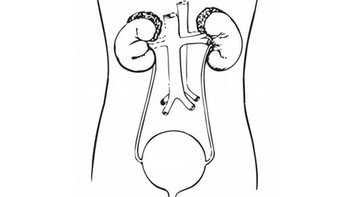
A phase 2 study of neoadjuvant gemcitabine, cisplatin, plus nivolumab met its co-primary end point with a positive predictive value of clinical complete response of 0.97 among patients with muscle-invasive bladder cancer.
Preclinical data of MB-109 from the American Association for Cancer Research Annual Meeting in 2022 support MB-109 as a potential treatment for patients with recurrent glioblastoma.