The FDA has granted LBL-034 orphan drug designation for relapsed/refractory multiple myeloma treatment.
Jordyn Sava is an editor for Targeted Oncology.
The FDA has granted LBL-034 orphan drug designation for relapsed/refractory multiple myeloma treatment.

Significant Ki-67 protein suppression in HR-positive, HER2-negative breast cancer was seen among patients treated with lasofoxifene.
The FDA recently approved a phase 2 clinical trial to investigate the efficacy of leronlimab in patients with relapsed or refractory microsatellite-stable metastatic colorectal cancer.

Susan L. Slager, PhD, discussed the etiology and inherited genetic factors that are associated with the risk of chronic lymphocytic leukemia.
The FDA has extended its review of zenocutuzumab's in NRG1+ NSCLC and PDAC to February 2025, with efficacy and safety data from the eNRGy trial supporting the application.

Casdatifan showed notable clinical activity and an acceptable safety profile in treating patients with metastatic clear cell renal cell carcinoma.

Despite regulatory challenges from the FDA, odronextamab has received European approval for the treatment of patients with relapsed/refractory follicular lymphoma or diffuse large B-cell lymphoma following 2 prior treatments.

In an interview, Colton Ladbury, MD, discussed new insights from a study and expanded on total marrow irradiation’s potential to transform transplant conditioning.

Domenica Lorusso, MD, PhD, discussed the KEYNOTE-A18 trial, its findings, and implications for oncologists.
The FDA has lifted clinical holds on trials of zevor-cel, satri-cel, and CT071, and trials will now resume in the US.

Hamlet Gasoyan, MD, discussed the implications of a multiple myeloma study’s findings and their potential impact on clinical practice and patient outcomes.
A phase 2/3 study investigating uproleselan with standard 7+3 chemotherapy in newly diagnosed, older patients with acute myeloid leukemia did not achieve the primary end point of improved event-free survival.
David Sallman, MD, discussed the challenges and new studies of high-risk myelodysplastic syndrome therapies.
Here is a look back on all the FDA happenings from the month of October 2024.

In an interview with Targeted Oncology, Josep Maria Ribera, MD, PhD, discussed the evolving treatment protocols for Philadelphia chromosome-positive acute lymphoblastic leukemia.

Nazli Dizman, MD, discussed the current measures for enforcing ASCO’s language of respect guidelines in the renal cell carcinoma space.
In this episode of Targeted Talks, Seth Wander, MD, PhD, discusses the clinical importance of ESR1 mutations in HR-positive metastatic breast cancer and how these mutations influence treatment approaches.

Noah S. Kalman, MD, MBA, highlighted advancements in thyroid cancer treatment, emphasizing personalized therapies, molecular testing, and optimizing traditional approaches.
Providers advised to halt use, monitor patients, and report any complications with BioZorb devices to the FDA.
A new drug application for a 3-month depot formulation of leuprolide mesylate has been submitted to the FDA.
A phase 1 study of tapotoclax in high-risk myelodysplastic syndromes demonstrated the agent was tolerable but showed limited efficacy.
In an interview with Targeted Oncology, Peter Schmid, MD, PhD, discussed the results from the phase 3 KEYNOTE-522 trial.
Asciminib has gained accelerated approval from the FDA for the treatment of patients with newly diagnosed Philadelphia chromosome-positive chronic myeloid leukemia in chronic phase.

In an interview with Targeted Oncology, Jacob Stein, MD, MPH, discussed nab-sirolimus and its impact on patients with advanced PEComa.
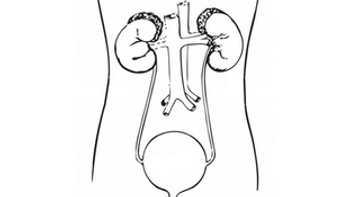
TYRA-300 showed promising safety and preliminary antitumor activity in FGFR3-altered metastatic urothelial cancer, with a 54.5% partial response rate and 100% disease control in the SURF301 trial.
The FDA granted fast track status to HC-7366 for relapsed/refractory AML treatment.

Josep M. Llovet, MD, PhD, discussed the updated data from the LEAP-012 trial in intermediate-stage hepatocellular carcinoma.
Janelle Vicens, DNP, APRN, FNP-BC, and Sandra Sepulveda, AGPNP-BC, MSN, BMTCN, discussed what went into developing this Malignant Hematology and Bone Marrow Transplant APP Fellowship.
In an interview with Targeted Oncology, Erika Hamilton, MD, discussed emerging endocrine therapies that are advancing breast cancer treatment.
The FDA accepted the new drug application for TLX101-CDx and granted priority review to the agent in glioma.