
The NRG-HN004 trial showed that durvalumab did not improve outcomes vs cetuximab in locoregionally advanced head and neck squamous cell carcinoma undergoing radiotherapy with contraindications to cisplatin, leading to early trial closure.
Jordyn Sava is an editor for Targeted Oncology.
The NRG-HN004 trial showed that durvalumab did not improve outcomes vs cetuximab in locoregionally advanced head and neck squamous cell carcinoma undergoing radiotherapy with contraindications to cisplatin, leading to early trial closure.
A draft guidance from the FDA outlines criteria for confirmatory trials in accelerated approvals, emphasizing timely initiation, sponsor engagement, and new mandates for oncology treatments.
Invikafusp alfa has gained FDA fast track designation for treating TMB-H metastatic colorectal cancer.

Joe DePinto, MBA, discussed the findings of the McKesson 2024 Cell and Gene Therapy Report, providing insight into the challenges and opportunities in equitable access to these treatments.
The FDA granted orphan drug designation to amezalpat in hepatocellular carcinoma based on phase 1b/2 data showing efficacy and safety with atezolizumab and bevacizumab in frontline treatment.
The FDA cleared the investigational new drug application for REC-4539, allowing for the start of a phase 1/2 trial in small cell lung cancer and other solid tumor indications.
The FDA’s breakthrough therapy designation for GSK’227 underscores its potential to address the critical unmet needs of patients with relapsed/refractory osteosarcoma.
Abenacianine, a tumor-targeted fluorescent imaging agent, received fast track designation from the FDA after demonstrating its safety and efficacy in visualizing lung tumors in a phase 2 study.
The FDA granted priority review to sunvozertinib for the treatment of advanced NSCLC with EGFR exon 20 mutations, based on promising efficacy and safety data from the WU-KONG1 trial.

The MARIPOSA study showed that the combination of amivantamab and lazertinib significantly improved overall survival over osimertinib in EGFR-mutated NSCLC.

Mark A. Lewis, MD, discussed the promise of the ESOPEC and TRANSMET trials and the need for their further investigation.
Amandeep Salhotra, MD, discussed the background and findings from a pilot trial evaluating enasidenib as post-hematopoietic stem cell transplant maintenance therapy for IDH2-mutated acute myeloid leukemia treatment.
The SURPASS-ET trial demonstrated ropeginterferon alfa-2b's superior efficacy over anagrelide, achieving higher durable response rates and greater reduction in JAK2 allele burden among patients with essential thrombocythemia.
The phase 1 INSIGHT-003 trial of efti, pembrolizumab, and chemotherapy for first-line advanced nonsquamous NSCLC has completed enrollment.
Significant advancements in lung cancer treatment were seen throughout 2024, from new drug approvals to promising clinical trial results.
A new drug application seeking the accelerated approval of dordaviprone forrecurrent for H3K27M-mutant diffuse glioma treatment was submitted to the FDA.
Here is a look back on all the FDA happenings from the month of December 2024.
The FDA accepted and granted priority review to an NDA for avutometinib plus defactinib in recurrent KRAS-mutated low-grade serous ovarian cancer.
The FDA indicated paxalisib's overall survival data could support standard approval in glioblastoma, as supported by GBM-AGILE study findings.
A biologics license application for TLX250-CDx has been submitted to the FDA, as supported by the phase 3 ZIRCON trial showing high accuracy for ccRCC detection.

A phase 1 trial evaluating FSHR-targeting CAR T cells for patients with ovarian cancer has dosed the first patient in its third cohort.
Aman Chauhan, MD, highlights an ongoing phase 2 trial exploring the combination of triapine, a radiation sensitizer, with lutetium 177 dotatate for treating well-differentiated somatostatin receptor–-positive neuroendocrine tumors.

An AI-driven tool enhances stereotactic radiosurgery for small brain metastases by predicting local failure risks, optimizing radiation dosing, and personalizing MRI follow-ups.
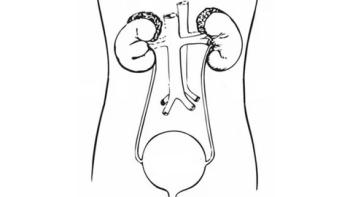
A recap of key breakthroughs this year in the field of genitourinary cancer.
The FDA has approved tislelizumab plus chemotherapy for the treatment of patients with newly diagnosed, locally advanced or metastatic gastric and gastroesophageal junction adenocarcinoma.
Ryan Motte, PharmD, CSP, reviewed the global cancer burden among men and its projected trajectory to 2050, highlighting the role specialty pharmacies can play in combating this issue.
A phase 2 trial found that dual immune checkpoint inhibition with nivolumab and ipilimumab shows promise in anaplastic thyroid cancer, but limited effectiveness in radioiodine refractory differentiated thyroid carcinoma.
The FDA granted priority review to taletrectinib in ROS1-positive advanced NSCLC, with a target decision date of June 2025.

Here are the top 10 developments from the year.
The combination of encorafenib, cetuximab, and mFOLFOX6 has gained accelerated approval from the FDA for the treatment of patients with metastatic colorectal cancer with a BRAF V600E mutation.