
Azercabtagene zapreleucel has been granted fast track designation from the FDA for the treatment of diffuse large B-cell lymphoma.
Jordyn Sava is an editor for Targeted Oncology.
Azercabtagene zapreleucel has been granted fast track designation from the FDA for the treatment of diffuse large B-cell lymphoma.
The FDA has cleared EVM14, making it the first mRNA therapeutic cancer vaccine for global clinical trials.

For Nutrition Awareness Month, we highlight the importance of tailoring dietary strategies to patients with cancer to improve outcomes and quality of life.

A recent study suggests that using artificial intelligence to measure tumor size could reduce treatment failures by more than 70%.

Anita D'Souza, MD, discussed the results from the MajesTEC-2 and TRIMM-2 trials in patients with multiple myeloma.
PEP-010 was granted FDA orphan drug designation for the treatment of pancreatic cancer.

TLX007-CDx is now an FDA-approved PSMA PET imaging agent in prostate cancer.
The FDA has extended its review of the ProSense cryoablation system for early-stage breast cancer, with a decision expected after the first quarter of 2025.

ST316, a β-catenin/BCL9 antagonist, demonstrated safety, target engagement, and early antitumor activity in advanced solid tumors.
The combination of pembrolizumab, trastuzumab, and chemotherapy is now approved in HER2-positive advanced gastric or gastroesophageal junction adenocarcinoma.
The FDA granted orphan drug designation to HLX22 for gastric cancer, advancing global phase 3 trials to improve first-line treatment.
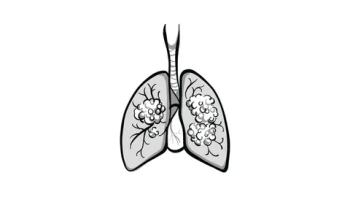
Tarlatamab showed a positive benefit-risk profile in small cell lung cancer, per the phase 2 DeLLphi-301 study.
A phase 3 trial plans to evaluate Pro-ocular for the treatment of patients with ocular graft-vs-host disease.

Georgina V. Long, MD, MSc, discussed the long-term follow-up data for the combination of adjuvant dabrafenib and trametinib in stage III BRAF-mutated melanoma.
Bexobrutideg, a first-in-class Bruton’s tyrosine kinase degrader, has been granted orphan drug designation from the FDA in Waldenström macroglobulinemia.
Shirish M. Gadgeel, MD, discussed long-term data from the MARIPOSA trial of lazertinib and amivantamab in EGFR-mutated non–small cell lung cancer.

Toon Van Gorp, MD, PhD, discussed findings from the MIRASOL trial and the potential of mirvetuximab to redefine treatment paradigms in ovarian cancer.

Orca-T improved 1-year survival without severe graft-vs-host disease compared with standard transplant in the Precision-T study.

The first patient has been enrolled in the PROSTATE-IQ trial of ArteraAI, a multimodal artificial intelligence biomarker test.
Jacob E. Berchuck, MD, highlights challenges in adopting liquid biopsy for PSMA expression and its potential to revolutionize precision medicine in prostate cancer.
ARC101, a potential best-in-class T-cell engager that targets solid tumors expressing CLDN6, is being assessed in a first-in-human trial.

Ken Kato, MD, discussed the FDA approval of tislelizumab for the first-line treatment of esophageal squamous cell carcinoma.
Anthony Stein, MD, assessed total marrow and lymphoid irradiation with post-transplant cyclophosphamide in patients with acute myeloid leukemia.
177Lu rhPSMA-10.1 showed high tumor radiation with low healthy tissue exposure in a phase 1/2 trial for metastatic castration-resistant prostate cancer.
In this episode of Targeted Talks, Alfred L. Garfall, discusses the phase 2 BMT CTN 1902 trial of idecabtagene vicleucel in patients with multiple myeloma.

A phase 1 trial is evaluating Actimab-A, venetoclax, and ASTX-727 in frontline acute myeloid leukemia, with initial data expected later this year.

A real-world study showed HER2DX guided treatment changes in approximately 48% of HER2-positive breast cancer cases.

The TEDOPaM trial evaluating a novel maintenance therapy approach for advanced/metastatic pancreatic ductal adenocarcinoma has met its primary end point.

Matthew Matasar, MD, discussed what the findings from the ELM-1 trial of odronextamab in diffuse large B-cell lymphoma mean for oncologists.

The first patient was dosed in a phase 1/2 trial of evofosfamide with checkpoint inhibitors for hypoxia-reversal in resistant solid tumors.