Articles by Jason M. Broderick
The addition of the veliparib to carboplatin/paclitaxel demonstrated promising objective response rates and trends toward improvements in progression-free survival and overall survival in patients with advanced <em>BRCA</em>-positive breast cancer.

Beginning with bortezomib (Velcade) in 2004, there have been 10 agents approved over the last 12 years for the treatment of patients with multiple myeloma.
Combination induction therapy with ibrutinib (Imbruvica) and obinutuzumab (Gazyva) after bendamustine debulking induced a 100% response rate in patients with chronic lymphocytic leukemia (CLL), according to findings from the phase II CLL2-BIG trial.
The combination of lirilumab and azacytidine was well tolerated and showed early signals of activity in heavily pretreated patients with acute myeloid leukemia (AML), according to phase Ib/II findings presented at the 2016 ASH Annual Meeting.
Combining obinutuzumab (Gazyva) with chemotherapy in the first-line setting reduced the risk of disease progression or death by 34% versus rituximab (Rituxan) plus chemotherapy in patients with follicular lymphoma, according to findings from the phase III GALLIUM study.
Brentuximab vedotin (Adcetris) induced responses lasting at least 4 months in 56% of patients with cutaneous T-cell lymphoma versus 13% in patients receiving physician’s choice of standard therapies, according to findings from the phase III ALCANZA trial.
Anti-CD22 chimeric antigen receptor (CAR) T-cell therapy induced an 80% complete remission rate among children and young adults with relapsed/refractory B-cell acute lymphoblastic leukemia.
The FDA has granted a priority review to a supplemental biologics license application (sBLA) for pembrolizumab (Keytruda) for use as a treatment for patients with refractory classical Hodgkin lymphoma.
The FDA has granted a full approval and label update to ponatinib (Iclusig) for patients with chronic phase (CP), accelerated phase, or blast phase chronic myeloid leukemia (CML) or Philadelphia chromosome-positive acute lymphoblastic leukemia (Ph+ ALL).
Daratumumab (Darzalex) has received FDA approval in combination with lenalidomide (Revlimid) and dexamethasone or bortezomib (Velcade) and dexamethasone for patients with relapsed multiple myeloma following at least 1 prior therapy.
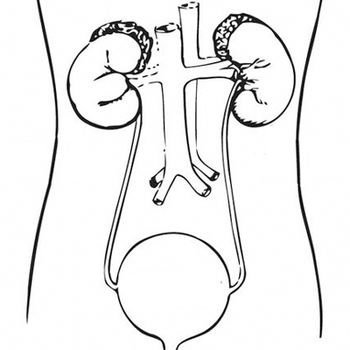
The FDA has issued a complete response letter to Spectrum Pharmaceuticals for apaziquone (EOquin; Qapzola) in bladder cancer. <br />
The FDA has granted a priority review to the multikinase inhibitor midostaurin as a treatment for patients with newly-diagnosed <em>FLT3</em>-mutated acute myeloid leukemia or advanced systemic mastocytosis.

The European Commission has approved the CDK4/6 inhibitor palbociclib as a treatment for adult patients with HR-positive, HER2-negative locally advanced or metastatic breast cancer, either in combination with an aromatase inhibitor in the frontline setting or combined with fulvestrant after progression on endocrine therapy.
The FDA has granted a breakthrough therapy designation to the brentuximab vedotin for the treatment of patients with CD30-positive mycosis fungoides or primary cutaneous anaplastic large cell lymphoma following at least 1 prior systemic therapy. <br />

With olaparib approved and niraparib and rucaparib advancing through clinical development, PARP inhibition is becoming a valuable option in the ovarian cancer armamentarium.
The FDA has approved the PD-1 inhibitor nivolumab as a treatment for patients with metastatic or recurrent squamous cell carcinoma of the head and neck following progression on platinum-based therapy.
The availability of several new treatments has dramatically transformed the treatment paradigm for multiple myeloma in the past few years.

A supplemental new drug application (sNDA) for the use of regorafenib (Stivarga) as a second-line treatment for patients with unresectable hepatocellular carcinoma (HCC) has been submitted to the FDA for approval.

The FDA has granted priority review designation to a new drug application for ribociclib for use in combination with letrozole as a frontline therapy for patients with HR–positive, HER2-negative advanced breast cancer.

A new drug application for brigatinib for patients with metastatic ALK-positive NSCLC who are resistant to prior crizotinib (Xalkori) has been granted priority review by the FDA.
Updated data from the CheckMate-205 trial demonstrated that nivolumab (Opdivo) had an objective response rate (ORR) of 73% in a cohort of patients with classical Hodgkin lymphoma.

Pegylated liposomal irinotecan (Onivyde) in combination with fluorouracil (5-FU) and leucovorin has been approved by the European Commission (EC) for patients with metastatic pancreatic adenocarcinoma.
Pembrolizumab (Keytruda) has received FDA approval for the frontline treatment of patients with metastatic non­–small cell lung cancer (NSCLC) whose tumors have ≥50% PD-L1 expression based on an FDA-approved test and who do not harbor EGFR or ALK aberrations.
The FDA has updated the label for enzalutamide (Xtandi) in metastatic castration-resistant prostate cancer (mCRPC) to include new data from the phase II TERRAIN study, according to the codevelopers of the androgen receptor inhibitor, Astellas and Pfizer.
Findings of the phase III KEYNOTE-045 trial showed pembrolizumab (Keytruda) demonstrated improved survival compared with chemotherapy in previously treated patients with advanced urothelial cancer.
The PDGFRα antagonist olaratumab (Lartruvo) has been granted an accelerated approval from the FDA in combination with doxorubicin for the treatment of patients with advanced soft tissue sarcoma (STS) who are not candidates for radiotherapy or surgery.
Atezolizumab has received FDA approval for the treatment of patients with metastatic NSCLC who have progressed after a platinum-containing regimen and an FDA-approved targeted therapy for those patients harboring <em>EGFR</em> or <em>ALK</em> abnormalities.
The positive opinion for the BCL-2 inhibitor has been sent to the European Commission, which usually issues its final approval decision within 2 to 3 months of the CHMP recommendation.
Results from the KRISTINE<sup> </sup>and NSABP B-41 trials provided the latest data on the use of pertuzumab, trastuzumab, ado-trastuzumab emtansine, and lapatinib for the neoadjuvant treatment of patients with HER2-positive breast cancer.
Cabozantinib (Cabometyx) reduced the risk of progression or death by 31% compared with sunitinib (Sutent) in the frontline setting for patients with metastatic renal cell carcinoma (RCC).