
Elotuzumab (Empliciti) was recently granted a priority review by the FDA for use in combination therapy in patients who have multiple myeloma, following the failure of one or more prior therapies.
Elotuzumab (Empliciti) was recently granted a priority review by the FDA for use in combination therapy in patients who have multiple myeloma, following the failure of one or more prior therapies.

An application for afatinib (Gilotrif) was recently accepted by the FDA for the treatment of patients with squamous cell non-small cell lung cancer (NSCLC).

Cabozantinib (Cometriq) was given a breakthrough therapy designation by the FDA for the treatment of patients who have advanced renal cell carcinoma (RCC), following one prior therapy.

Sonidegib (Odomzo) was approved by the EC for the treatment of patients who have locally advanced basal cell carcinoma (laBCC) and are not amenable to curative surgery or radiation therapy.
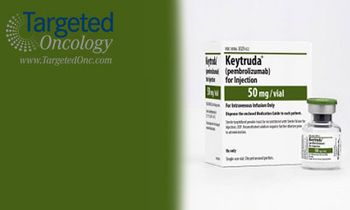
Pembrolizumab (Keytruda) has received priority review from the US Food and Drug Administration (FDA) as frontline treatment for patients with advanced melanoma.

While targeting HER2 mutations is mainly associated with breast cancer, there could be therapeutic potential with anti-HER2 agents in non-small cell lung cancer (NSCLC).

Precision medicine with TKIs and immunotherapies is revolutionizing the treatment of patients with NSCLC. Paul A. Bunn, Jr, MD, head of the Division of Medical Oncology at the University of Colorado, discussed the current translational advances with these agents in a discussion held at this year’s International Lung Cancer Congress.

Hedgehog inhibitor sonidegib (Odomzo) was recently approved by the FDA for the treatment of patients who have locally advanced basal cell carcinoma (laBCC) that has recurred following surgery or radiation, or for those not eligible for these treatments.

The approval of carfilzomib (Kyprolis) was recently expanded by the FDA to include relapsed multiple myeloma patients who have received at least one to three previous lines of therapy.

An independent panel has halted the phase III CheckMate-025 trial after determining that nivolumab (Opdivo) improved overall survival versus everolimus (Afinitor) in patients with advanced renal cell carcinoma.

Frontline nivolumab more than doubled progression-free survival (PFS), both as monotherapy and combined with ipilimumab compared with ipilimumab alone in patients with advanced melanoma, according to results from the phase III CheckMate-067 trial.

Nivolumab (Opdivo) improved overall survival and was less toxic compared with docetaxel in chemotherapy-pretreated patients with nonsquamous non–small cell lung cancer.

Adding palbociclib to standard fulvestrant more than doubled progression-free survival in pretreated patients who have HR-positive, HER2-negative breast cancer.

Treatment with elotuzumab in combination lenalidomide and dexamethasone prolonged remission by 4.5 months in patients with relapsed or refractory multiple myeloma when compared with lenalidomide and dexamethasone alone.
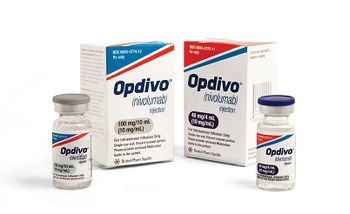
The PD-1 inhibitor nivolumab (Opdivo) has been has been assigned priority review designation from the US Food and Drug Administration (FDA) as a treatment for previously untreated patients with unresectable or metastatic melanoma.

Pembrolizumab (Keytruda) achieved an overall response rate (ORR) of 45.2% among a cohort of patients with high PD-L1-expressing non–small cell lung cancer (NSCLC) in the phase I KEYNOTE-001 trial.

The PALOMA-3 trial examining a palbociclib regimen in HR+/HER2- breast cancer was halted after an independent panel determined it met the primary endpoint of improving progression-free survival (PFS).

Tumor genome profiling identifies driver mutations in breast tumors, however, it is still too early to use this information in clinical decision making, according to Hope S. Rugo, MD.

The FDA has approved nivolumab (Opdivo) for the treatment of patients with advanced non-small cell lung cancer (NSCLC). The approval comes 3 months ahead of the FDA’s scheduled decision date.
Carfilzomib (Kyprolis) doubled progression-free survival (PFS) versus bortezomib (Velcade) in patients with relapsed multiple myeloma in the phase III ENDEAVOR trial.

Nivolumab (Opdivo) has been granted a priority review for use in patients with previously treated, advanced, squamous non–small cell lung cancer (NSCLC).

The MEK inhibitor cobimetinib has received an FDA priority review for use in combination with the BRAF inhibitor vemurafenib (Zelboraf) to treat patients with BRAF V600–positive advanced melanoma.

Ibrutinib (Imbruvica) showed promising activity in heavily pretreated, relapsed/refractory chronic lymphocytic leukemia (CLL) after allogeneic stem cell transplantation (ASCT).

Lenalidomide (Revlimid) plus dexamethasone has been approved by the FDA for the treatment of newly diagnosed patients with multiple myeloma who are not candidates for stem cell transplant, based on findings from the phase III FIRST trial.

The oral multikinase inhibitor motesanib failed to meet the primary endpoint of improving progression-free survival (PFS) in patients with non–small cell lung cancer (NSCLC) in the phase III MONET-A trial.
The FDA has approved lenvatinib (Lenvima) as a treatment for patients with progressive, radioactive iodine (RAI)-refractory differentiated thyroid cancer (DTC).
Genentech, the manufacturer of obinutuzumab, plans to file for FDA and EMA approval after a phase III study of the anti-CD20 agent in indolent non-Hodgkin lymphoma (iNHL) garnered positive results in an interim analysis.
The anti–PD-L1 agent MPDL3280A has received a breakthrough therapy designation from the FDA as a potential treatment for patients with PD-L1–positive NSCLC who have progressed on platinum-based chemotherapy and a EGFR or ALK inhibitor.

The FDA has granted a Fast Track Designation to CPX-351, a liposomal formulation of cytarabine and daunorubicin, for the treatment of elderly patients with relapsed acute myeloid leukemia (AML).

ASCO named the improved outlook for patients with chronic lymphocytic leukemia (CLL) as its inaugural “Cancer Advance of the Year.â€