
Uttara Nayar, PhD, shares the findings of recent studies in patients with ER+ breast cancer. Findings have shown that acquired HER2 mutations lead to endocrine resistance, the most frequent cause of breast cancer mortality in the country.
Uttara Nayar, PhD, shares the findings of recent studies in patients with ER+ breast cancer. Findings have shown that acquired HER2 mutations lead to endocrine resistance, the most frequent cause of breast cancer mortality in the country.

External beam radiation therapy can be effective when integrated in a multimodality treatment strategy for patients with relapsed/refractory follicular lymphoma, according to findings from a small, retrospective study.
According to results from the phase III MONALEESA-7 trial presented at the 2018 Miami Breast Cancer Conference, the progression-free survival benefit for ribociclib in pre- or perimenopausal women with hormone receptor–positive, HER2-negative advanced or metastatic breast cancer had been sustained across patient subgroups.
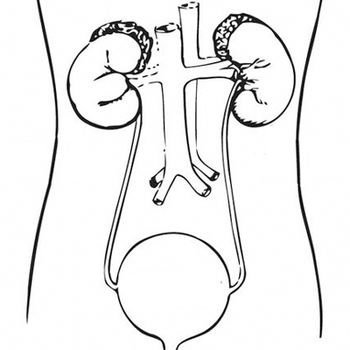
Based on data from the phase III S-TRAC trial,<span style="font-size:10.8333px"> </span>the European Medicines Agency’s Committee for Medicinal Products for Human Use recently recommended against approving sunitinib for use as an adjuvant therapy in patients with renal cell carcinoma who have received nephrectomy and are high risk for recurrence.
The FDA has approved a 4-week dosing schedule for the PD-1 inhibitor nivolumab (Opdivo) across several indications.

Based on data from the phase III MONARCH 3 trial, abemaciclib has been granted FDA approval for use in combination with an aromatase inhibitor for the frontline treatment of postmenopausal women with HR-positive, HER2-negative advanced or metastatic breast cancer, according to Eli Lilly and Company, the manufacturer of the CDK4/6 inhibitor.
In findings from the phase III COLUMBUS trial, the combination of the BRAF inhibitor encorafenib and the MEK inhibitor binimetinib improved survival versus single-agent vemurafenib (Zelboraf) in patients with <em>BRAF</em>-mutant advanced, unresectable or metastatic melanoma.
Based on results from the phase III PACIFIC trial, durvalumab has been granted approval by the FDA for the treatment of patients with locally advanced, unresectable stage III non–small cell lung cancer who have not progressed following chemoradiotherapy.
Based on results of the phase III SPARTAN trial, apalutamide has been approved by the FDA for the treatment of patients with nonmetastatic castration-resistant prostate cancer, making it the first treatment to be approved in this setting.<br />
In findings from the phase III SPARTAN trial presented at the 2018 Genitourinary Cancers Symposium and published in the <em>New England Journal of Medicine, </em>apalutamide (Erleada) reduced the risk of metastasis or death by 72% in patients with nonmetastatic castration-resistant prostate cancer.
Based on supporting data from the phase III DUO trial and the phase II DYNAMO study, duvelisib has been submitted to the FDA for a full approval for the treatment of patients with relapsed/refractory chronic lymphocytic leukemia/small lymphocytic lymphoma and an accelerated approval for the treatment of patients with relapsed/refractory follicular lymphoma.
Patients with relapsed/refractory myeloma who had prior exposure to lenalidomide (Revlimid) experienced a significant improvement in progression-free survival with pomalidomide (Pomalyst) added to the combination of bortezomib (Velcade) and low-dose dexamethasone, according to findings from the phase III OPTIMISMM trial.
Based on results of the phase III NETTER-1 trial, Lutathera has been approved by the FDA for the treatment of patients with somatostatin receptor-positive gastroenteropancreatic neuroendocrine tumors.
Adjuvant pembrolizumab (Keytruda) reduced the risk of recurrence by 43% in patients with stage III resected high-risk melanoma, according to findings from the phase III EORTC1325/KEYNOTE-054 trial
The FDA has issued its approval for overall survival data from the phase III ENDEAVOR trial to be added to the carfilzomib (Kyprolis) label for use in patients with relapsed or refractory multiple myeloma.
Based on results of the phase II JULIET study, a supplemental biologics license application for the CAR T-cell therapy tisagenlecleucel (Kymriah) has been granted a priority review by the FDA as a treatment for adult patients with relapsed/refractory diffuse large B-cell lymphoma who are ineligible for or relapse after autologous stem cell transplant.
Based on results from the phase III OlympiAD trial, the PARP inhibitor olaparib (Lynparza) has been approved by the FDA for the treatment of patients with germline BRCA-positive, metastatic breast cancer.
Pembrolizumab (Keytruda) has been approved in Japan for the treatment of patients with radically unresectable urothelial carcinoma who progressed after cancer chemotherapy, according to Merck, the manufacturer of the PD-1 inhibitor.
Based on results of the Ib/II Study 111, the combination of the PD-1 inhibitor pembrolizumab and the VEGF/FGF inhibitor lenvatinib has been granted a breakthrough therapy designation by the FDA for the treatment of patients with advanced and/or metastatic renal cell carcinoma.
Based on data from the phase III 482 study, denosumab (Xgeva) has been granted FDA approval for the prevention of skeletal-related events in patients with multiple myeloma, according to Amgen, the developer of the RANK ligand inhibitor.
Based on results of the phase III MONALEESA-7 trial, ribociclib (Kisqali) has been granted a breakthrough therapy designation by the FDA for use in combination with tamoxifen or an aromatase inhibitor as frontline treatment for pre- or perimenopausal women with hormone receptor–positive, HER2-negative advanced or metastatic breast cancer.
Based on findings from the phase III ECHELON-1 trial, a supplemental biologics application (sBLA) for brentuximab vedotin (Adcetris) in combination with Adriamycin, vinblastine, and dacarbazine (AVD) has been granted a priority review by the FDA for the frontline treatment of advanced classical Hodgkin lymphoma, according to a statement from the company developing the CD30-targeted antibody-drug conjugate, Seattle Genetics.
The label for nilotinib (Tasigna) has been updated by the FDA with a provision stating patients with Philadelphia chromosome-positive chronic myeloid leukemia in the chronic phase (Ph+ CML-CP) who have received the BCR-ABL tyrosine kinase inhibitor could be eligible to stop treatment after having recieved for at least 3 years and having achieved the specific predetermined criteria.<br /> <br />
Based on findings of the phase III COMBI-AD study, a supplemental new drug application for dabrafenib (Tafinlar) combined with trametinib (Mekinist) has been granted a priority review by the FDA as an adjuvant treatment for patients with <em>BRAF</em> V600E– or V600K–positive stage III melanoma following complete resection.
The PD-L1 inhibitor avelumab (Bavencio) has been granted a breakthrough therapy designation by the FDA for use in combination with the VEGF inhibitor axitinib (Inlyta) in treatment-naïve patients with advanced renal cell carcinoma.
Based on data from the phase III SPARTAN trial, apalutamide has been granted a priority review by the FDA for the treatment of patients with nonmetastatic castration-resistant prostate cancer, according to Janssen Biotech, the manufacturer of the next-generation oral androgen receptor inhibitor.
According to findings from the phase I SCOUT trial, the novel pan-TRK inhibitor larotrectinib (LOXO-101) achieved a 93% response rate in pediatric patients with <em>TRK</em> fusion–positive solid tumors.
A supplemental new drug application (sNDA) for osimertinib (Tagrisso) has been granted a priority review by the FDA as a first-line treatment for patients with non–small cell lung cancer (NSCLC) whose tumors harbor <em>EGFR</em> mutations (exon 19 deletions or exon 21 [L858R] substitution mutations).
Based on findings of the phase III CheckMate-214 trial, a supplemental biologics license application for the combination of nivolumab and ipilimumab has been granted a priority review by the FDA as a frontline treatment for intermediate- and poor-risk patients with advanced renal cell carcinoma.
Treatment with the novel PD-1 inhibitor cemiplimab induced responses in half of the patients with Hodgkin lymphoma in a phase I study of patients with B-lymphoid malignancies; among patients with B-cell non-Hodgkin lymphoma treated with the monotherapy, the overall response rate was 11.1%, according to a poster presentation at the 2017 ASH Annual Meeting.