
The FDA has designated the BCL-2 inhibitor venetoclax as a breakthrough therapy for use in combination with rituximab (Rituxan) to treat patients with relapsed/refractory chronic lymphocytic leukemia (CLL).
The FDA has designated the BCL-2 inhibitor venetoclax as a breakthrough therapy for use in combination with rituximab (Rituxan) to treat patients with relapsed/refractory chronic lymphocytic leukemia (CLL).

Patients with either gastrointestinal (GI) neuroendocrine tumors (NETs) or NETs of unknown primary origin experienced a 40% or more decrease in their risk of disease progression when treated with everolimus (Afinitor), according to a subanalysis of the phase III RADIANT-4 trial.
Ofatumumab (Arzerra) has received FDA approved for the extended treatment of patients with recurrent or progressive chronic lymphocytic leukemia (CLL). Patients eligible to receive the treatment must show complete or partial response following at least two lines of therapy.
Venetoclax has been granted priority review status by the FDA for use in adults with chronic lymphocytic leukemia (CLL) following at least 1 prior therapy. This patient population includes those with a 17p deletion (del[17p]), according to codevelopers of the BCL-2 inhibitor AbbVie and Genentech.

Nivolumab shows consistent survival benefit across subgroups as a second-line treatment for renal cell carcinoma (RCC), according to data from an analysis of the phase III CheckMate-025 trial.

Adding celecoxib and zoledronic acid to standard treatment extended survival in men with metastatic prostate cancer commencing first-line hormone therapy, according to updated data from the STAMPEDE trial.

Second-line treatment with atezolizumab (MPDL3280A) resulted in a median overall survival (OS) of 11.4 months in patients with locally advanced or metastatic urothelial carcinoma (mUC) and who showcased high PD-L1 levels.

In a comparison study, cabozantinib significantly boosted progression-free survival (PFS) against everolimus in patients with renal cell carcinoma (RCC) regardless of metastases degree, type, number of prior treatments, or patient risk status.

Expanded approval for single-agent pembrolizumab (Keytruda) has arrived from the FDA to include frontline treatment for advanced melanoma regardless of BRAF status, based on a substantial improvement in progression-free and overall survival compared with ipilimumab (Yervoy) in the phase III KEYNOTE-006 trial

Treatment with standard neoadjuvant chemotherapy plus carboplatin and/or bevacizumab resulting in a pathologic complete response has been associated with improvement in event-free and overall survival in patients with triple-negative breast cancer.

Pembrolizumab, a PD-1 inhibitor, had an overall response rate of 12% in patients with PD-L1-positive, ER+/HER2 advanced breast cancer, according to data from the phase Ib KEYNOTE-028 trial.

Palbociclib (Ibrance) has been given a priority review by the FDA. The treatment will be looked at as a combination with fulvestrant in pretreated patients with HR-positive, HER2-negative metastatic breast cancer, said Pfizer, the manufacturer of the CDK 4/6 inhibitor.

Elotuzumab (Empliciti) has been approved by the FDA for use in combination with lenalidomide (Revlimid) and dexamethasone in patients with multiple myeloma after the failure of at least 1 prior therapy.

Optune in conjunction with chemotherapy and/or bevacizumab boosted survival rates in patients with recurrent glioblastoma multiforme.

An FDA panel voted against approval of the immunotherapy MCNA as a treatment for patients with high-risk non-muscle invasive bladder cancer (NMIBC) following first-line bacillus Calmette-Guerin (BCG) therapy.

A supplemental new drug application has been submitted to the FDA for ibrutinib in conjunction with bendamustine and rituximab. The combination would treat patients with relapsed or refractory chronic lymphocytic leukemia or small lymphocytic lymphoma.

Neoadjuvant chemotherapy is increasingly used in advanced ovarian cancer, even though it has not been shown to improve survival versus primary cytoreduction.

Achieving optimal results with novel antibodies like elotuzumab (Empliciti) and daratumumab in multiple myeloma treatment will involve combination regimens with established agents, according to Sagar Lonial, MD.

Ipilimumab (Yervoy) in melanoma has been approved to include adjuvant treatment of patients with stage III melanoma who are at high risk of recurrence following complete resection by the FDA.

Approval for first-in-class oncolytic immunotherapy talimogene laherparepvec (T-VEC; Imlygic) has come down from the FDA based on the results from the phase III OPTiM study.

Advanced soft tissue sarcoma patients will now be able to receive trabectedin (Yondelis), which has been approved by the FDA after promising results from a phase III trial.
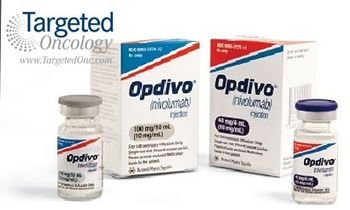
Three months ahead of schedule, nivolumab (Opdivo) has obtained FDA approval for patients with nonsquamous non-small cell lung cancer who progressed on or following platinum-based chemotherapy.
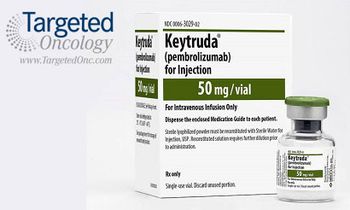
The immunotherapy, pembrolizumab (Keytruda), has been FDA approved for treatment in patients with pretreated advanced non-small cell lung cancer across all histologies with tumors expressing PD-L1.

The risk of death for patients with advanced renal cell carcinoma (RCC) was reduced by 27% with nivolumab (Opdivo) versus everolimus (Afinitor), and overall survival (OS) was improved by 5.4 months.

The oral nucleoside TAS-102 (Lonsurf) has been approved by the FDA for patients with advanced colorectal cancer (CRC) who are not responding to other treatments.
The PD-1 inhibitor immunotherapy Nivolumab (Opdivo) has received an FDA breakthrough therapy designation for the treatment of patients with advanced renal cell carcinoma.

By adding bevacizumab (Avastin) to a standard chemotherapy doublet, the risk of death is reduced by 24%, with the risk of disease reducing by 39%, in patients who have malignant pleural mesothelioma (MPM).

The FDA recently granted alectinib a priority review designation for patients who have ALK-positive, locally advanced or metastatic non-small cell lung cancer (NSCLC) and progressed or are intolerant to crizotinib (Xalkori).

Nivolumab (Opdivo) was given a priority review designation by the FDA for patients with previously treated nonsquamous non-small cell lung cancer (NSCLC).

Rolapitant (Varubi) was recently approved by the FDA for use in combination with other antiemetic agents, in order to prevent delayed CINV from initial and repeat chemotherapy regiments, including highly emetogenic chemotherapy.