Opinion|Videos|April 30, 2025
Perspectives on Coordinated Care: Tagraxofusp for BPDCN Through Shared-Care Models
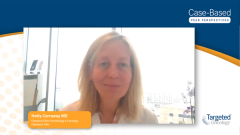
Author(s)Hetty E. Carraway, MD
An expert discusses how structuring clear roles, fostering communication, and using technology in the shared-care model between academic and community centers, alongside monitoring blood glucose levels, kidney function, and comorbidities, ensures effective collaboration and safe use of tagraxofusp (TAG) therapy.
Episodes in this series
Summary for Physicians:
1. Structuring the Shared-Care Model Between Academic and Community Centers:
- Clear Roles: Define specific roles for academic and community centers to ensure complementary care.
- Communication: Foster regular communication (eg, case discussions, telemedicine) for collaboration and updates.
- Education: Academic centers provide training to keep community physicians informed on best practices.
- Shared Decision-Making: Involve both centers in patient care decisions for comprehensive management.
- Technology: Use electronic health records and telemedicine for seamless information exchange.
2. Monitoring TAG in the Community Setting:
- Blood Glucose: Regularly monitor fasting and postprandial glucose levels to assess therapy effectiveness.
- Kidney Function: Track renal parameters (eg, creatinine, estimated glomerular filtration rate) to detect any adverse effects.
- Adverse Effects: Watch for gastrointestinal issues or hypoglycemia and manage promptly.
- Comorbidities: Monitor for complications in patients with other conditions (eg, cardiovascular disease).
- Adherence: Ensure patients follow the TAG regimen through regular follow-ups and support.
These strategies ensure effective collaboration and safe use of TAG therapy in both academic and community settings.
Related Content
Advertisement