Now Playing
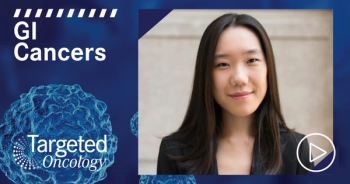
Benjamin Schlechter, MD, discusses the unmet needs and treatment gaps for patients with colorectal cancer.
In an interview with Targeted Oncology, Benjamin Schlechter, MD, Senior Physician in the Gastrointestinal Cancer Center at the Dana-Farber Cancer Institute, discusses the unmet needs for patients with colorectal cancer (CRC).
Despite significant advancements in diagnosis and treatment, several critical unmet needs persist in CRC management. A primary challenge lies in refining personalized treatment strategies. While molecular profiling has improved, a substantial portion of patients with still lack actionable biomarkers, leading to empiric treatment choices. Further research is crucial to identify novel, clinically relevant biomarkers that can predict treatment response, guide targeted therapies beyond current standards (eg, KRAS, BRAF, and microsatellite instability), and anticipate resistance mechanisms.
Another pressing need is the effective management of advanced or metastatic CRC. Although new agents have extended survival, many patients eventually develop resistance to systemic therapies. Overcoming tumor heterogeneity and drug resistance remains a major hurdle. This necessitates the development of innovative therapeutic approaches, including more effective combination strategies, novel immunotherapies for microsatellite stable (MSS) tumors, and strategies to modulate the tumor microenvironment to enhance therapeutic efficacy.
Furthermore, improving early detection and prevention remains paramount. Despite established screening guidelines, adherence rates are suboptimal, leading to a significant proportion of diagnoses at advanced stages. Developing more accessible and accurate noninvasive screening methods, such as highly sensitive blood-based tests, could dramatically improve compliance and facilitate earlier intervention. Addressing disparities in screening access and outcomes, particularly among underserved populations, is also a critical unmet need.
Finally, long-term survivorship care requires more comprehensive support. Patients often face persistent physical and psychosocial challenges, including fatigue, neuropathy, sexual dysfunction, and fear of recurrence, which significantly impact their quality of life. Integrating multidisciplinary supportive care services, from diagnosis through survivorship, is essential to address these unmet needs and ensure holistic patient well-being.