
MULTIPLE MYELOMA
Latest News
Latest Videos






CME Content





























More News
A subcutaneous formulation of daratumumab showed similar efficacy to the original intravenous formulation of daratumumab in the phase III COLUMBA trial of patients with relapsed/refractory multiple myeloma. The subcutaenous flat-dose of daratumumab also showed a reduction in the treatment burden, according to results presented at the 2019 ASCO Annual Meeting.
According to a study authors performed to call attention to the need to address socioeconomic disparities that influence treatment outcomes, higher incomes and having private insurance were associated with a significantly greater probability of survival for patients with multiple myeloma.

The FDA has granted a priority review designation to a supplemental Biologics License Application (sBLA) for daratumumab (Darzalex) in combination with bortezomib (Velcade), thalidomide (Thalomid), and dexamethasone for the treatment of newly diagnosed patients with multiple myeloma who are candidates for autologous stem cell transplant.


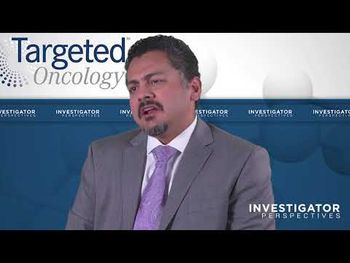

Multiple Myeloma

Noopur Raje, MD, discusses the current treatment options for patients diagnosed with multiple myeloma. At this time, a number of FDA-approved drugs and different combinations are available.
Lenalidomide induced a 72% reduction in the risk of progression to symptomatic disease in patients with smoldering multiple myeloma at 3 years, according to data from the ECOG E3A06 study, to be presented during the 2019 ASCO Annual Meeting.
Novel radiotherapeutic CLR 131 has been granted a fast track designation from the FDA as a fourth-line or later treatment for patients with relapsed or refractory multiple myeloma.
The FDA has granted P-BCMA-101 with an orphan drug designation for the treatment of patients with relapsed and/or refractory multiple myeloma.

Patient-reported outcomes from the phase III myeloma X trial suggested that although patients with relapsed multiple myeloma who received salvage autologous stem cell transplantation had an initial reduction in quality of life and experienced a greater impact of adverse events, they had better long-term outcomes compared with patients who received nontransplantation consolidation.
Daratumumab salvage therapy demonstrated a 1-year overall survival rate of 90.9% in patients with multiple myeloma who relapsed following allogeneic stem cell transplantation and also failed several posttransplant therapies, according to findings presented at the 2019 European Society for Blood and Marrow Transplantation Annual Meeting.

Saad Z. Usmani, MD, FACP, chief of Plasma Cell Disorder, director of Clinical Research in Hematologic Malignancies, Levine Cancer Institute, Atrium Health, discusses how to manage early relapse in multiple myeloma.
During a <em>Targeted Oncology </em>live case-based peer perspectives program, Christopher Maisel, MD, recently discussed the treatment options and considerations he makes when treating patients with multiple myeloma.
A look back at all the FDA news that happened in March 2019, including several new approvals, a clinical hold, an orphan drug designation, and more.

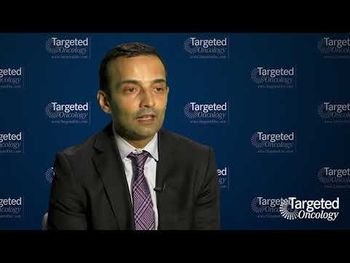


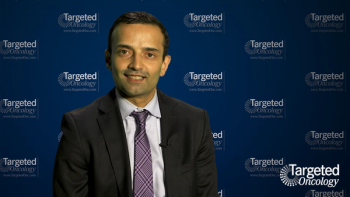
Asymptomatic Relapsed Multiple Myeloma