
LUNG CANCER
Latest News
Latest Videos
CME Content





























More News
David R. Gandara, MD, director, Thoracic Oncology Program, and professor, UC Davis Comprehensive Cancer Center, discusses the combination of CTLA-4 agents with PD-1 and PD-L1 agents for the treatment of lung cancer.

Christine M. Lovly, MD, PhD, assistant professor of medicine (hematology/oncology), assistant professor of cancer biology, medical oncologist, Vanderbilt-Ingram Cancer Center, discusses phase II results for cabozantinib (Cabometyx) in patients with RET-rearranged lung cancer.
Paul A. Bunn, MD, distinguished professor, Division of Medical Oncology, and James Dudley Chair in Lung Cancer Research, University of Colorado, discusses pseudoprogression in lung cancer.

Roy S. Herbst, MD, PhD, discusses how the therapeutic paradigm will continue to evolve in the next few years for non–small cell lung cancer, with an increased emphasis on rational combinations and biomarkers.
David R. Gandara, MD, discusses toxicity management with the combination of dabrafenib and trametinib in non–small cell lung cancer.

A supplemental new drug application (sNDA) for alectinib (Alecensa) has been granted a priority review by the FDA for the frontline treatment of patients with <em>ALK</em>-positive locally advanced or metastatic non–small cell lung cancer (NSCLC), according to Genentech (Roche), the manufacturer of the second-generation ALK inhibitor.
A look back at all the FDA news that occurred in July.



ALK-Translocated Non-Small Cell Lung Cancer With Bone Metastases

During the 2017 ESMO Congress, to be held September 8-12 in Madrid, Spain, the European Society for Medical Oncology (ESMO) will award 4 oncologists with its distinguished annual awards:
Durvalumab (Imfinzi) has been granted a breakthrough therapy designation by the FDA to treat patients with locally-advanced, unresectable non-small cell lung cancer (NSCLC) whose disease has not progressed following platinum-based chemoradiation.
Progression-free survival (PFS) was not improved with frontline durvalumab (Imfinzi), either in combination with tremelimumab or as a single agent, in patients with stage IV metastatic non–small cell lung cancer (NSCLC), compared with standard platinum-based chemotherapy.
Supplemental Biologics License Applications (sBLAs) were sent to and accepted by the FDA for a new dosing schedule for nivolumab (Opdivo) across all of the agent's indications as a montherapy, according to Bristol-Myers Squibb (BMS), the manufacturer of the PD-1 inhibitor.
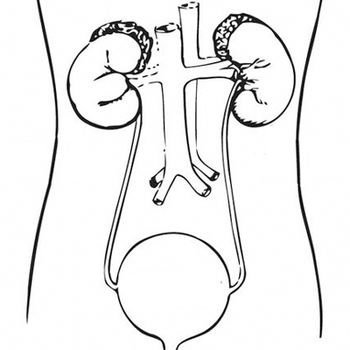
The European Medicines Agency’s Committee for Medicinal Products for Human Use (CHMP) has given its support on indications for atezolizumab (Tecentriq) in non–small cell lung cancer (NSCLC) and urothelial carcinoma.



Treatment of BRAF Mutated Non-Small Cell Lung Cancer