


GYNECOLOGIC CANCERS
Latest News
Latest Videos




CME Content





























More News
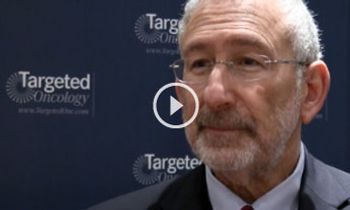
Maurie Markman, MD, president of Medicine and Science, Eastern Regional Medical Center, discusses immune targeting in ovarian cancer.

Intentional weight loss in postmenopausal women is associated with a lower endometrial cancer risk, particularly among those with obesity, according to the results of a recent study published in the <em>Journal of Clinical Oncology</em>.<br />

Philadelphia chromosome Ph–like acute lymphoblastic leukemia accounts for more than 20% of all adult patients with ALL and is associated with a poor outcome, according to findings published in the Journal of Clinical Oncology.
There is a significantly large racial disparity in hysterectomy-corrected cervical cancer mortality rates in the United States, according to a recent study published in <em>Cancer.</em>
The University of Texas MD Anderson Cancer Center has united with the 68 other National Cancer Institute–designated cancer centers in issuing a joint statement that endorses the recently revised vaccination recommendations from the CDC.
Carolyn E. Banister, MD, highlights the major findings of her study that discovered a new subtype of cervical cancer and the significant therapeutic implications that will follow.
A new drug application (NDA) for niraparib has been granted priority review by the FDA for use as a maintenance therapy in patients with recurrent epithelial ovarian, fallopian tube, or primary peritoneal cancer who have responded to platinum-based chemotherapy, according to Tesaro, the manufacturer of the PARP 1/2 inhibitor.
The FDA has approved rucaparib (Rubraca) as a treatment for patients with <em>BRCA</em>-positive advanced ovarian cancer who have received at least 2 prior lines of chemotherapy.
The CAR T-cell therapy CTL019 demonstrated an 82% complete remission or CR with incomplete blood count recovery rate for pediatric and young adult patients with relapsed/refractory B-cell acute lymphoblastic leukemia.
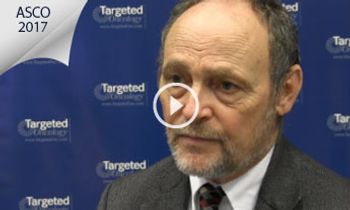
Michael Birrer, MD, PhD, director, Medical Gynecologic Oncology Director, Gynecologic Oncology Research Program, Massachusetts General Hospital Cancer Center, professor of Medicine, Harvard Medical School, discusses the current and emerging roles of PARP inhibition in ovarian cancer.
The FDA has expanded the approval for bevacizumab (Avastin) in ovarian cancer to include patients with platinum-sensitive recurrent disease as part of a combination regimen with chemotherapy followed by continued use of the angiogenesis inhibitor, according to Genentech, which developed the drug.

Anti-CD22 chimeric antigen receptor (CAR) T-cell therapy induced an 80% complete remission rate among children and young adults with relapsed/refractory B-cell acute lymphoblastic leukemia.
Significant progress is being made in the treatment of gynecologic malignancies, especially in ovarian cancer, according to Douglas A. Levine, MD.
Women who have been vaccinated against HPV can undergo less-intensive cervical cancer screening than is currently recommended.
Findings of a new study revealed that less than half of patients with advanced cervical cancer are receiving all 3 of the therapies considered standard of care (SOC) for the disease.

Susan Lutgendorf, PhD, professor, Department of Psychological and Brain Sciences, The University of Iowa, discusses a study investigating the effects of stress on immune response and tumor microenvironment in ovarian cancer and other cancer types.

With olaparib approved and niraparib and rucaparib advancing through clinical development, PARP inhibition is becoming a valuable option in the ovarian cancer armamentarium.
The use of neoadjuvant chemotherapy for the treatment of advanced ovarian cancer has risen dramatically in recent years, improving quality of life for patients and reducing morbidity, but challenges remain for oncologists looking to deploy this treatment approach in clinical practice.
In a recent study, single-agent olaparib (Lynparza) significantly improved progression-free survival (PFS) compared with placebo in the maintenance setting for patients with advanced <em>BRAF</em>-positive ovarian cancer.

Jasgit Sachdev, MD, clinical associate professor at Translational Genomics Research Institute, discusses a recent study of novel antibody-drug conjugate targeting protein tyrosine kinase 7 (PTK7) in ovarian cancer.

Ann H. Klopp, MD, PhD, discusses the results of a recent trial comparing standard radiation to intensity-modulated radiation therapy (IMRT) in endometrial and cervical cancer, and what impact these results will have.
A streamlined, oncologist-led <em>BRCA</em> testing program showed potential for reducing time and improving acceptance of testing and counseling for patients with ovarian cancer.
The rate of complete resection at interval debulking in advanced ovarian cancer increased significantly over reference values with the addition of bevacizumab (Avastin) to neoadjuvant to platinum-based chemotherapy.
Although one patient with recurrent ovarian cancer achieved complete response, the first trial of abiraterone conducted in ovarian cancer was halted early due to low response, according to results from the CORAL phase 2 trial.
The antibody drug conjugate XMT-1536 could change the treatment paradigm for both non-small cell lung cancer (NSCLC) and ovarian cancer, according to Donald Bergstrom, MD, PhD.