
Bone Marrow & Stem Cell Transplant
Latest News
Latest Videos

CME Content





























More News

Hannah Abrams, MD, discusses the background behind research into nonmedical barriers to cell transplant and CAR T therapy.
Anthony S. Stein, MD, discusses a study of total marrow and lymphoid irradiation 20 Gy and post-transplant cyclophosphamide in acute myeloid leukemia undergoing allogeneic hematopoietic cell transplantation.

Jeff Auletta, MD, discusses the background, methods, design and findings from the ACCESS trial.
Jeff Auletta, MD, discussed the ACCESS trial and explained that mismatched unrelated donor transplants can be a viable option.

Uday R. Popat, MD, discusses promising findings from a phase 2 trial evaluating the JAK inhibitor itacitinib combined with post-transplant cyclophosphamide and tacrolimus for graft-vs-host disease prevention.
During a live event, Catherine J. Lee, MD, MS, discussed the mechanism of action of approved therapies for chronic graft-vs-host disease and reasons to select one over others.

The impact of physical and nutritional rehabilitation post bone marrow transplant in patients with hematologic malignancies will be determined in the REBOOT trial.

During a live event, Catherine J. Lee, MD, MS, discussed the efficacy and safety results of various trials of approved agents for treating chronic graft-vs-host disease.
During a live event, Catherine J. Lee, MD, MS, discussed the results of the AGAVE-201 trial.
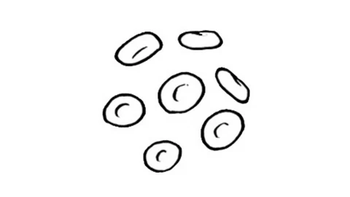
Orca-T improved 1-year survival without severe graft-vs-host disease compared with standard transplant in the Precision-T study.
Anthony Stein, MD, assessed total marrow and lymphoid irradiation with post-transplant cyclophosphamide in patients with acute myeloid leukemia.
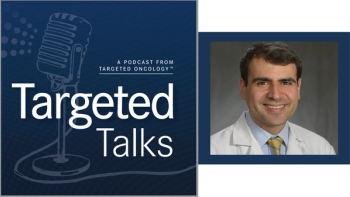
In this episode of Targeted Talks, Alfred L. Garfall, discusses the phase 2 BMT CTN 1902 trial of idecabtagene vicleucel in patients with multiple myeloma.

Two denosumab biosimilars have gained FDA approvals across multiple indications.
Uday R. Popat, MD, discusses the rationale behind evaluating itacitinib over other JAK inhibitors for graft-vs-host disease prophylaxis in a phase 2 study.
Uday R. Popat, MD, discusses a phase 2 trial exploring the use of itacitinib combined with post-transplant cyclophosphamide and tacrolimus to prevent graft-vs-host disease in patients undergoing a myeloablative fractionated busulfan regimen.
Jeff Auletta, MD, discusses his key takeaways from the 2025 Transplant and Cellular Therapy Meetings.

Colton Ladbury, MD, discusses radiation therapy for hematologic malignancies, total marrow irradiation, and findings that were presented during the American Society for Radiation Oncology Annual Meeting.
A study found a 94% 6-month survival rate after tandem autologous stem cell transplant for high-risk neuroblastoma, but serious complications reduced survival.
The FDA granted Regenerative Medicine Advanced Therapy designation to NXC-201 for the treatment of relapsed/refractory light chain amyloidosis.
Orca-T improved overall survival vs post-transplant cyclophosphamide in a retrospective analysis.
Orca-T with reduced-intensity stem cell transplantation was a safe, feasible alternative to conventional transplant in blood cancers, per phase 1 data.
A phase 2 study evaluated the use of ruxolitinib plus standard GVHD prophylaxis in patients with myelofibrosis undergoing transplant.
In a retrospective cohort of patients with severe chronic GVHD, combination axatilimab with other GVHD therapies led to clinical benefit.
Defibrotide prophylaxis after HSCT did not reduce sinusoidal obstructive syndrome incidence in high-risk pediatric patients, per retrospective study at 2025 Tandem Meeting.
Umbilical Cord Blood Transplant Effective in Patients With Blood Cancer
Published: | Updated:
Unrelated cord blood transplant demonstrated efficacy in patients with blood cancer after microcystic adnexal carcinoma.