Eric Nadler, MD, MPP, lead a Cased-Based Roundtable event during which participants discussed how PD-L1 expression in patient with non–small cell lung cancer impacts treatment decisions.
Eric Nadler, MD, MPP, lead a Cased-Based Roundtable event during which participants discussed how PD-L1 expression in patient with non–small cell lung cancer impacts treatment decisions.

During a Targeted Oncology Case-Based Roundtable events, Leo I. Gordon, MD, led a discussion about second-line treatment of diffuse large B-cell lymphoma.
Both selpercatinib and pralsetinib are FDA-approved therapies for RET-altered medullary thyroid cancer. The research supporting both agents and the experience with their use in clinical practice was the topic of a recent Case-Based Roundtable event moderated by Marcia S. Brose, MD, PhD.
During a Targeted Oncology Case-Based Roundtable event, Catherine Shu, MD, moderated a discussion around the case of a 77-year-old patients with non–small cell lung cancer.
During a Targeted Oncology Case-Based Roundtable event, Olalekan O. Oluwole, MD, MBBS, MPH, leads a discussion around identifying prognostic factors for a patients with transplant-eligible multiple myeloma.
Based on case details, Yi-Bin Chen, MD, and a group of peers discussed the probability of a patient developing acute graft-versus-host-disease and how to treat the disease.
During a Targeted Oncology Case-Based Roundtable event, Jessica Bauman, MD, discussed the case of 59-year-old patient with RET-mutated non–small cell lung cancer.

During a Targeted Oncology Case-Based Roundtable event, Joyce A. O’Shaughnessy, MD, discussed the case of a 63-year-old woman with HER2-positive breast cancer.
Joseph Mikhael, MD, debated with a group pf peers about the impact of using frontline daratumumab on subsequent therapy.
Ticiana Leal, MD, explained her approach to treating a patient with extensive-stage small cell lung cancer, during a Targeted Oncology Case-Based Roundtable event.
Regarding the case of a 51-year-old man who first presented with pallor and worsening fatigue on exertion and was diagnosed with transplant-eligible multiple myeloma, Rafael Fonseca, MD, discussed available treatment options.
During a Targeted Oncology Case-Based Roundtable event, Michael K. Wong, MD, PhD, discussed the case of a 69-year-old patient with cutaneous squamous cell carcinoma.
Many options are available for the treatment of RET-mutated thyroid cancer. During a Targeted Oncology Case-Based Roundtable event, Francis Paul Worden, MD, discussed the case of a 58-year-old patients who first presented with solitary nodule on the neck, occasional shortness of breath, and intermittent excessive fatigue.
During a Targeted Oncology Case-Based Roundtable event, Jakub Svoboda, MD, discussed the case of a 75-year-old patient with diffuse large b-cell lymphoma.
Treatment of patients with EGFR-mutant non–small cell lung cancer in the phase 3 ADAURA clinical trial resulted in practice-changing disease-free survival with tolerable safety.
During a Targeted Oncology Case-Based Roundtable event, Mark A. Socinski, MD, discussed the case of a 59-year-old patients with non–small cell lung cancer.
The FDA has granted the expanded use of ravulizumab-cwvz to include the treatment of children aged 1 month and older and adolescents with paroxysmal nocturnal hemoglobinuria.
During a Targeted Oncology Case-Based Roundtable event, Sikander Ailawadhi, MD, discussed maintenance therapy for patients with multiple myeloma.
Various frontline treatments can be administered to a patient with newly-diagnosed multiple myeloma. Rafael Fonseca, MD, and a group of peers compare the available agents during a Targeted Oncology, Cased- Based Roundtable event.
David H. Vesole, MD, PhD, discussed triplet regimens used for the treatment of transplant ineligible multiple myeloma during a Targeted Oncology Case-Based Roundtable event.
David Dingli, MD, PhD, professor of Medicine at the Mayo Clinic, discussed the treatment options available for patients with transplant-eligible multiple myeloma with a group of peers during a Targeted Oncology Case-Based Roundtable event.
Based on clinical trial research, ruxolitinib is a viable option for the treatment of acute graft-versus-host-disease. The agent has been shown to induce durable responses.
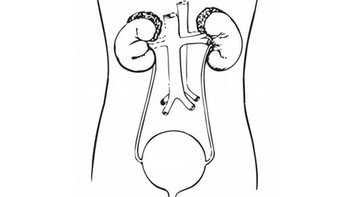
Matthew Smith, MD, PhD, led a panel discussion around the various treatment options for a patient with nonmetastatic castration-resistant prostate cancer.
Joseph Mikhael, MD, explained the prognostic factors for consideration when treating newly-diagnosed multiple myeloma.
Steven I. Sherman, MD, FACE, moderated a Targeted Oncology Case-Based Roundtable event during which experts discussed the characteristics of patients with radioiodine-refractory differentiated thyroid cancer and how to consider them when selecting treatment.

Treatment options are available for patients with late-stage gastric cancer in the early- to late-line settings.
Zanetta Lamar, MD, discussed the efficacy of tafasitamab in combination with lenalidomide in the clinical trial setting.
The most recent data on ruxolitinib support its continued use as frontline treatment of patients with myelofibrosis.
Eleni Efstathiou, MD, PhD, discussed clinical trials which support the use of certain treatment regimen for patients with nonmetastatic castration-resistant prostate cancer.
During a virtual Targeted Oncology Case-Based Roundtable event, Atish D. Choudhury, MD, PhD, discussed methods for treating patients with nonmetastatic prostate cancer with a group of peers.