
During a live virtual event, Javier Pinilla-Ibarz, MD, PhD, discussed treatment options for chronic lymphocytic leukemia including ibrutinib, acalabrutinib, and venetoclax with obinutuzumab.
During a live virtual event, Javier Pinilla-Ibarz, MD, PhD, discussed treatment options for chronic lymphocytic leukemia including ibrutinib, acalabrutinib, and venetoclax with obinutuzumab.
During a live virtual event, Mohamed Baljevic, MD, discussed how to select and sequence combination regimens for multiple myeloma while considering eligibility for autologous stem cell transplant.
During a live virtual event, Sara Tolaney, MD, discussed the results of the ASCENT trial of sacituzumab govitecan in patients with triple-negative breast cancer.
During a live virtual event, Natalie Callander, MD, discussed real-world experience with the efficacy of belantamab mafodotin and whether it can be chosen instead of chimeric antigen receptor T-cell therapy.

During a Targeted Oncology case-based roundtable event, Afshin Dowlati, MD, and participants discussed the challenges of molecular testing and how to use test results to introduce targeted treatments for patients with non–small cell lung cancer.
During a live virtual event, Lowell Hart, MD, discussed the findings of the monarchE trial of abemaciclib in high-risk patients with early breast cancer.
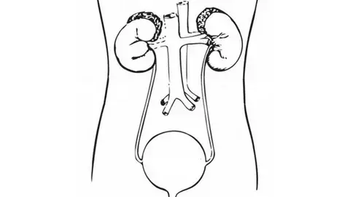
During a Targeted Oncology case-based roundtable event, Robert J. Motzer, MD, discussed the results of several major trials of drug combinations in patients with renal cell carcinoma.

During a Targeted Oncology case-based roundtable event, Madappa Kundranda, MD, PhD, and participants discussed the case of a patient with recently diagnosed, unresectable colorectal cancer.
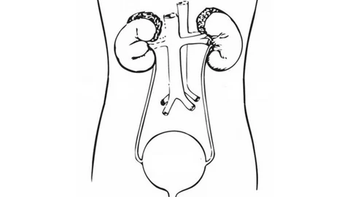
During a Targeted Oncology live event, Jahan Aghalar, MD, and Daniel Vaena, MD, discussed the results of trials of cabazitaxel in patients with castration-resistant prostate cancer and how to manage toxicity of the therapy.
During a live virtual event, Ann S. LaCasce, MD, MMSC, discussed sequencing and using loncastuximab tesirine as a therapy for patients with diffuse large B-cell lymphoma.

During a Targeted Oncology case-based roundtable event, Matthew A. Lunning, DO, discussed the results of the L-MIND study of tafasitamab and lenalidomide in patients with diffuse large B-cell lymphoma.

During a Targeted Oncology case-based roundtable event, Shirish M Gadgeel, MD, discussed the results of the ALEX, ALTA-1L, and CROWN studies of immune checkpoint inhibitors in non–squamous non–small cell lung cancer.
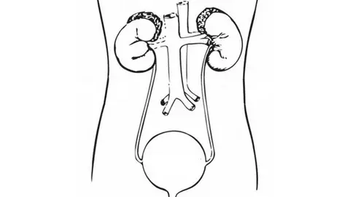
During a Targeted Oncology case-based roundtable event, Sumanta Kumar Pal, David I. Quinn, MD, MBBS, PhD, and participants discussed frontline therapy options for a patient with metastatic relapsed/refractory renal cell carcinoma.

During a Targeted Oncology case-based roundtable event, Francis Paul Worden, MD, discussed treatment options for a patient with high-risk basal cell carcinoma.
During a live virtual event, Natalie Callander, MD, discussed possible treatment options for a patient who relapsed several years after successful treatment of multiple myeloma with bortezomib, lenalidomide, and dexamethasone.

A 67-year-old woman presented with a painless lump on her neck. A physical examination showed a palpable, nontender solitary neck mass to the right of the midline.
During a live virtual event, Lowell Hart, MD, discussed the results of the monarchE trial of abemaciclib in patients with node-positive, hormone receptor–positive, HER2-negative, high-risk early breast cancer.
During a live virtual event, Matthew L. Anderson, MD, PhD, discussed the results of the PRIMA study of niraparib in patients with wild-type and BRCA-mutated ovarian cancer.
During a live virtual event, Melissa L. Johnson, MD, discussed how to treat a 73-year-old patient who was recently diagnosed with extensive-stage small cell lung cancer.

At the 63rd ASH Annual Meeting and Exposition, studies highlighted the promise of Bruton's tyrosine kinase inhibitors for the treatment of patients with mantle cell lymphoma and what oncologists should do after Bruton's tyrosine kinase inhibition.

The immunotherapy combination of nivolumab and ipilimumab did not extend progression-free survival in patients with small cell lung cancer when compared with placebo.
During a Targeted Oncology live event, Aparna Hegde, MD, discussed the results of the KEYNOTE-189 study of pemetrexed and pembrolizumab, the KEYNOTE-042 study of single-agent pembrolizumab, and the CheckMate 227 study of nivolumab and ipilimumab in patients with non–small cell lung cancer.
During a Targeted Oncology live event, Grzegorz S. Nowakowski, MD, discussed the case of a patient treated with tafasitamab plus lenalidomide in the second line for diffuse B-cell lymphoma.
During a Targeted Oncology case-based virtual event, Jamile M. Shammo, MD, discussed testing, risk assessment, and therapy for patients with high-risk myelofibrosis.
During a live virtual event, Saad Zafar Usmani, MD, discussed the findings of the CASSIOPEIA and GRIFFIN studies of daratumumab and lenalidomide in patients with newly diagnosed multiple myeloma.
During a Targeted Oncology Case-Based Roundtable event, Toni K. Choueiri, MD, discussed treatment options using immune checkpoint inhibitors in patients with advanced renal cell carcinoma.
During a Targeted Oncology Case-Based Roundtable event, Shilpa Gupta, MD, discussed new options for late-line therapies including FGFR inhibitors in patients with bladder cancer.

During a live virtual event, Matthew L. Anderson, MD, PhD, discusses the National Comprehensive Cancer Network guidelines for treating patients with advanced ovarian cancer using PARP inhibitors based on BRCA mutation status and other factors.
During a Targeted Oncology Case-Based Roundtable event, Mark A. Socinski, MD, discussed how to approach treating patients with lung cancer with rare mutations that can be targeted by certain treatments.
During a live virtual event, Ann LaCasce, MD, MMSc, discusses third-line treatment options for diffuse large B-cell lymphoma when considering eligibility for chimeric antigen receptor T-cell therapy.