
During a live virtual event, Rita Nanda, MD, discussed with participants how to address toxicities of sacituzumab govitecan and how to treat a patient who progresses after receiving this agent.
During a live virtual event, Rita Nanda, MD, discussed with participants how to address toxicities of sacituzumab govitecan and how to treat a patient who progresses after receiving this agent.
During a live virtual event, Jason Westin, MD, discussed with participants the choice of third-line treatment for relapsed/refractory diffuse large B-cell lymphoma for a patient who declines chimeric antigen receptor T-cell therapy.

During a Targeted Oncology case-based roundtable event, Chung-Han Lee, MD, PhD, discussed the use of approved combination regimens including tyrosine kinase inhibitors and immune checkpoint inhibitors for a patient with clear cell renal cell carcinoma.
During a Targeted Oncology case-based event, Elizabeth Budde, MD, PhD, discussed with participants the case of a patient with relapsed/refractory diffuse large B-cell lymphoma who was not eligible for stem cell transplant and declined chimeric antigen receptor T-cell therapy.
During a live virtual event, Brian Rini, MD, discussed how the combination of cabozantinib plus nivolumab compares with lenvatinib plus pembrolizumab in terms of tolerability and management in patients with advanced renal cell carcinoma.
During a Targeted Oncology case-based roundtable event, Pashna N. Munshi, MD, discussed the case of a patient who developed maculopapular rash 22 days following hematopoietic stem cell transplantion.
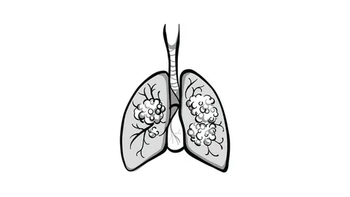
During a Targeted Oncology case-based roundtable event, Mark A. Socinski, MD, discussed the results of clinical trials supporting the use of targeted agents in patients with late-stage lung cancers.
During a Targeted Oncology case-based roundtable event, Robert A. Vescio, MD, discussed the results of several key trials related to new treatments for patients with transplant-eligible multiple myeloma.
During a Targeted Oncology case-based roundtable event, Srdan Verstovsek, MD, PhD, discussed prognostic models for myelofibrosis and the use of JAK inhibitors as therapy.

During a Targeted Oncology case-based roundtable event, Stephanie L. Graff, MD, discussed the case of a patient with triple-negative breast cancer who progressed following adjuvant chemotherapy and frontline carboplatin treatment.
During a live virtual event, Aaron E. Lisberg, MD, discussed the value of molecular testing in patients recently diagnosed with early-stage lung cancer.

During a Targeted Oncology case-based roundtable event, Krzysztof J. Misiukiewicz, MD, discussed deciding to use NTRK inhibitor for the treatment of a 67-year-old woman with thyroid cancer.
Nakhle Saba, MD, reviewed testing, treatment, and treatment toxicity in a 71-year-old woman with chronic lymphocytic leukemia with a group of peers during a Targeted Oncology case-based roundtable event.

During a Targeted Oncology case-based roundtable event in Texas, Eric Jonasch, MD, moderated a discussion around the management of clear cell renal cell carcinoma in a 59-year-old African American female patient.
During a live virtual event, Ravi Salgia, MD, PhD, discussed treatment considerations for a patient with non–small cell lung cancer with a brain metastasis.
During a case-based roundtable event, Matthew McKinney, MD, discussed data supporting the use of novel therapies in patients with relapsed/refractory diffuse large B-cell lymphoma.

During a case-based roundtable event, Foluso Olabisi Ademuyiwa, MD, MPH, MSCI and a group of peers discussed the benefits and challenges with using sacituzumab govitevan to treat a 48-year-old patients with triple-negative breast cancer.
During a Targeted Oncology case-base roundtable event, Jesus G. Berdeja, MD, moderated a discussion around a 55-year-old Black man with late-stage multiple myeloma being treated in a rural community.

The FDA has granted approval for ivosidenib tablets as treatment for patients with previously untreated IDH1-mutated acute myeloid leukemia.
During a live virtual event, Brian T. Hill, MD, discussed the results of the L-MIND study of tafasitamab plus lenalidomide for patients with relapsed/refractory diffuse B-cell lymphoma.

Martin Dietrich, MD, PhD, discusses the study design and results of the CheckMate 9LA trial of ipilimumab and nivolumab for patients with non–small cell lung cancer.
During a live virtual event, Brian Rini, MD, discussed the efficacy and tolerability of approved first-line tyrosine kinase inhibitor and immunotherapy combinations for patients with advanced renal cell carcinoma.
During a live virtual event, Anne S. Tsao, MD, discussed the choice of targeted therapy for a patient with non–small cell lung cancer with an EGFR exon 20 insertion.
During a live virtual event, Rita Nanda, MD, discussed the choice of therapy for a patient whose metastatic triple-negative breast cancer recurred after adjuvant chemotherapy with paclitaxel.
During a live virtual event, Jason Westin, MD, discussed the challenges of giving patients access to chimeric antigen receptor T-cell therapy.
During a live virtual event, Ravi Salgia, MD, PhD, discussed the use of immune checkpoint inhibitor monotherapy for a patient with non–small cell lung cancer with very high PD-L1 expression with participants.
During a live virtual event, Douglas Sborov, MD, MS, discussed the most important goals for treatment and the use of minimal residual disease assessment for a patient with transplant-eligible multiple myeloma.
During a Targeted Oncology case-based roundtable event, Hetty Carraway, MD, MBA, discussed risk factors for tumor lysis syndrome and the use of prophylactic agents.
During a Targeted Oncology case-based roundtable event, Brian Rini, MD, discussed the choice of treatment options including dual immunotherapy and tyrosine kinase inhibitors plus immunotherapy for a patient with stage IV clear cell renal cell carcinoma.
During a Targeted Oncology case-based event, Lindsey Roeker, MD, discussed risk assessment and frontline therapy for a patient diagnosed with chronic lymphocytic leukemia.