
With rusfertide, clinical trial investigators are poised to fill a clinical gap by addressing iron deficiency in patients with polycythemia vera.
Sara Karlovitch is an associate editor with Targeted Oncology. She received a duel degree in Journalism and Government and Politics from the University of Maryland.
With rusfertide, clinical trial investigators are poised to fill a clinical gap by addressing iron deficiency in patients with polycythemia vera.

In patients with recurrent and/or metastatic cervical cancer, the second-line combination of balstilimab and zalifrelimab may offer meaningful clinical benefit, but further research is needed.

Although nivolumab did not significantly outperform sorafenib in the CheckMate 459 of patients with advanced hepatocellular carcinoma, positive resuls were shown for the secondary end points.

The FDA granted both a regenerative medicine advanced therapy and fast track designation to C-CAR039 for relapsed or refractory diffuse large B-cell lymphoma.
In an interview with Targeted Oncology, Michael Wang, MD, a professor in the department of lymphoma and myeloma at MD Anderson Cancer Center, discussed the safety, efficacy, and tolerability of acalabrutinib plus venetoclax and rituximab in mantle cell lymphoma.
Aspacytarabine for acute myeloid leukemia showed a complete response rate of 37% in phase 2 study.
BNT200 was granted an FDA breakthrough device designation for the treatment of AML-induced depression and anxiety present during the high-intensity induction chemotherapy phase.

CA-4948 was found to have a complete remission rate of 40% and an objective response rate of 57% in some patients with acute myeloid leukemia and myelodysplastic syndrome.
Devimistat shows therapeutic potential in patients with clear cell sarcoma after dose-escalation ends with no observed dose-limiting toxicities.
Tycel Jovelle Phillips, MD, discussed the use of glofitamab in patients with R/R MCL who have failed BTK inhibitors in an interview with Targeted Oncology.
Data from a phase 1 trial found that the maximum-tolerated dose of INBRX-106 for metastatic solid tumors is 0.1 mg/kg once every 3 weeks.
Efficacy was seen with blocking LAG-3 in combination with PD-1 as a therapeutic strategy for patients with melanoma. Additionally, this research establishes LAG-3 as the third immune checkpoint pathway to have proven clinical benefit in this patient population.

Sotorasib produced an objective response rate of 9.7% in patients with colorectal cancer.
Topline results from the phase 2 NOVA-II trial showed clinical efficacy and an acceptable safety profile with OQL011.
In an interview with Targeted Oncology, Shaji Kumar, MD, discussed the current standard of care in multiple myeloma, along with the need for risk stratification in this patient population.
The study of the XPO1 inhibitor for solid tumors aims to accrue 48 patients.

Fifty percent of patients in the first 2 cohorts of an early-phase study experienced stable disease on annamycin, and no dose-limiting toxicities were observed.
A phase 3 trial of consibelimab aims to enroll 560 patients with non–small cell lung cancer, who will be randomized to receive either consibelimab with chemotherapy, or chemotherapy alone.
In the community setting, brexucabtagene autoleucel shows efficacy in patients with relapsed/refractory mantle cell lymphoma.
HER2 mutations are a major clinical biomarker in breast cancer. However, overcoming drug resistance remains a key clinical obstacle.
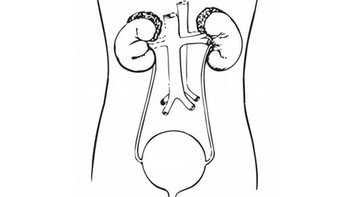
In an interview with Targeted Oncology, Toni Choueiri, MD, discusses the impact the approval of adjuvant pembrolizumab has had on the RCC space.
Rana R. McKay, MD, discussed the implications of the KEYNOTE-564 study along with the future of adjuvant immunotherapy in RCC, in an interview with Targeted Oncology
Despite advanced in the field of renal cell carcinoma, most patients still die of the disease and more options and new targets are needed, says Moshe C. Ornstein, MD, MA.
In an interview with Targeted Oncology, Thomas Habermann, MD discusses the current unmet needs in the DLBCL space, along with the future of targeted therapies.
The FDA’s orphan drug designation granted to silmitasertib for medulloblastoma marks the agent’s second such designation.
Entospletinib in combination with chemotherapy will be evaluated in the phase 3 AGILITY study in patients with NPM1-mutated AML.

In patients with EGFR-positive non–small cell lung cancer who develop a T790M mutation after disease progression, chemo-antiangiogenesis may prove beneficial.
E777 is a reformulation of a previous FDA approved agent for CTLC that was pulled from the market voluntarily for improvements.

September 28th 2021
September 13th 2021

August 20th 2021