Articles by Nichole Tucker

The FDA has accepted the supplemental biologics license application for abatacept and granted it priority review for the prevention of moderate to severe acute graft versus host disease in patients 6 years of age and older receiving unrelated donor hematopoietic stem cell transplantation.

In an interview with Targeted Oncology™, Stephanie L. Wethington, MD, MSc, discussed the modern treatment of high-grade serous ovarian cancer and the study of olaparib plus ceralasertib as a strategy for overcoming resistance to PARP inhibition.
Oncologists treating patients with HER2-expressing solid tumors can now refer patients for enrollment in a phase 2 trial of the novel drug A166, that has shown high potency in these tumors.
The FDA has granted approval to nivolumab as an adjuvant treatment of patients with urothelial carcinoma who are at high risk of recurrence after undergoing radical resection, regardless of prior neoadjuvant chemotherapy, nodal involvement or PD-L1 status.

Treatment with amivantamab-vmjw in the phase 1 CHRYSALIS study has released anti-tumor activity in patients with non-small cell lung cancer harboring MET exon 14 skipping mutations treated with the agent.
The FDA has granted fast track designation to the highly selective inhibitor of casein kinase 2 inhibitor, silmitasertib for the treatment of patients with recurrent sonic hedgehog-driven medulloblastoma.

Three centers in the United States are recruiting patients with indolent non-Hodgkin lymphoma to receive the investigational selective PI3Kδ inhibitor zandelisib in combination with rituximab in a phase 3 clinical trial setting. The study aims to determine the efficacy and safety of zandelisib in combination with rituximab compared with standard immunochemotherapy.
The FDA has granted a fast track designation to the folate receptor alpha-targeting antibody-drug conjugate, STRO-002, for the treatment of patients with platinum-resistant epithelial ovarian, fallopian tube, or primary peritoneal cancer who have received 1 to 3 prior lines of systemic therapy.
Inhibition of the Bruton’s tyrosine kinase (BTK) has shown potency in B-cell malignancies, leading to the exploration of treatment with the BTK inhibitor LOXO-305 in patients with mantle cell lymphoma (MCL) in the phase 3 BRUIN clinical trial.

Sintilimab in combination with the chemotherapy agents oxaliplatin and capecitabine improved overall survival in patients with unresectable, locally advanced, recurrent, or metastatic gastric or gastroesophageal junction adenocarcinoma compared with chemotherapy alone, reaching the predefined primary end point of the phase 2 ORIENT-16 clinical trial.
In an interview with Targeted Oncology™, Shannon N. Westin, MD, MPH, FACOG, discussed the need for the DUO-E trial in the endometrial cancer space and the unique patient population the study will evaluate.

Above-average rates of polycythemia vera have been reported for over a decade due to causes unknown to experts. Intriguing new developments in the ongoing research of the genetic, toxicological, and environmental factors related to these cases have created reason to believe that this issue is not a thing of the past.
The FDA has granted breakthrough therapy designation to toripalimab in combination with gemcitabine and cisplatin for the first-line treatment of recurrent or metastatic nasopharyngeal carcinoma.
Combination treatment with the universal cancer vaccine, UV1, and the immune checkpoint inhibitor, pembrolizumab showed strong signals of clinical response in patients with metastatic melanoma while also meeting its key safety/tolerability end point.

Progression-free survival was significantly prolonged with cabozantinib as treatment of patients with radioiodine-refractory differentiated thyroid cancer in the phase 3 COSMIC-311 clinical trial, showing potential as a new treatment option and leading to the filing of a application for FDA approval.
In an interview with Targeted Oncology™, David O’Malley, MD, discussed the results from an arm of the phase 2 study of 5 mirvetuximab-containing regimens that were evaluated for the treatment of patients with FRα-positive ovarian cancer.
Outcomes in patients with advanced recurrent ovarian cancer treated with the novel immunotherapeutic vaccine maveropepimut-S appeared encouraging, according to topline results from the DeCidE1 clinical trial.
A significantly longer overall survival was achieved with the human IgG4 monoclonal antibody sintilimab in patients with locally advanced or metastatic nonsquamous non–small cell lung cancer treated in the phase 3 ORIENT-11 clinical trial.
The FDA has accepted a supplemental biologics license application for adjuvant pembrolizumab and granted it priority review as a treatment for patients with renal cell carcinoma at intermediate-high or high risk of recurrence following nephrectomy, or following nephrectomy and resection of metastatic lesions.
In an interview with Targeted Oncology™, Michael J. Overman, MD, discussed targeted rare genomic alterations in colorectal cancer.
A significantly improved and clinically meaningful progression-free survival was accomplished by combining polatuzumab vedotin and R-CHOP in patients with previously untreated diffuse large B-cell lymphoma compared with R-CHOP alone, according to results of the phase 3 POLARIX trial.
A highly statistically significant improvement in progression-free survival has been observed with the HER2 monoclonal antibody trastuzumab deruxtecan treatment compared with trastuzumab emtansine in patients with HER2-positive unresectable or metastatic breast cancer, meeting the primary end point of the phase 3 DESTINY-Breast03 trial.
In an interview with Targeted Oncology, Clara Hwang, MD, discussed how real-world evidence uncovered multiple disparities related to COVID-19 and patients with cancer.
In an interview with Targeted Oncology™ following a presentation of the study protocol at the 2021 American Society of Clinical Oncology Annual Meeting, Susana K. Banerjee, PhD, explained the progress of ENGOT-ov60/GOG3052/RAMP 201 in detail.
The FDA has issued a complete response letter to the developer of eflapegrastim, for which a biologics license application was submitted for the treatment of chemotherapy-induced neutropenia. The FDA has cited manufacturing deficiencies and is requiring that the facilities be reinspected.
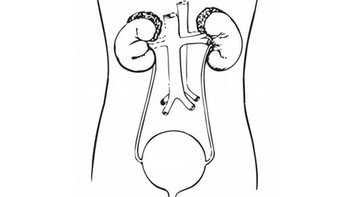
In an interview with Targeted Oncology™, Thomas Powles, MD, MBBS, MRCP, discussed the latest research around enfortumab vedotin in locally advanced or metastatic urothelial cancer.
To address over expression of the prostate specific membrane antigen in men with prostate cancer and other solid tumors, a phase 1 study of the novel anti-PSMA antibody drug conjugate, ARX517, has been administered to the first patient.
Patients with advanced non-small cell lung cancer treated with cemiplimab in combination with platinum-doublet chemotherapy saw an improvement in overall survival in comparison with patients who received chemotherapy alone, meeting the primary end point of the phase 3 EMPOWER-Lung 3 study.
An orphan drug designation has been granted to the CD40 agonistic monoclonal antibody, sotigalimab, for the treatment of patients with soft tissue sarcoma.
The FDA has accepted and granted priority review to a biologics license application for pembrolizumab for the adjuvant treatment of adult and pediatric patients with stage IIB or IIC melanoma following complete resection.