
The FDA has granted approval to enfortumab vedotin for the treatment of adult patients with locally advanced or metastatic urothelial cancer.
The FDA has granted approval to enfortumab vedotin for the treatment of adult patients with locally advanced or metastatic urothelial cancer.

In an interview with Targeted Oncology, Eugene Ahn, MD, reviewed the data from the uterine cancer cohort of the TAPUR study and explained the implications of the findings.
The FDA has placed a partial clinical hold on clinical trials evaluating the first-in-class peptide-drug conjugate, melphalan flufenamide pending a full benefit/risk profile on the agent for use as an early line of therapy in patients with relapsed or refractory multiple myeloma.
In an interview with Targeted Oncology, Eugene Ahn, MD, discussed the new care delivery model being tested at the Cancer Treatment Centers of America and how it can help patients with cancer in underserved communities.

Pembrolizumab has been voluntarily withdrawn from the North American market as a treatment option for patients with recurrent locally advanced or metastatic gastric or gastroesophageal junction adenocarcinoma.
The FDA has expanded its approval for pembrolizumab monotherapy to include the treatment of patients with locally advanced cutaneous squamous cell carcinoma that is not curable by surgery or radiation.

Dostarlimab achieved durable antitumor responses in patients with non-endometrial mismatch repair–deficient solid tumors treated in an expansion cohort of the phase 1 GARNET trial, according to interim findings presented during the ESMO World Congress on Gastrointestinal Cancer.
The FDA has accepted the filing of a new drug application for surufatinib to be indicated as treatment of patients with advanced neuroendocrine tumors. The FDA set a Prescription Drug User Fee Act target action date of April 30, 2022.
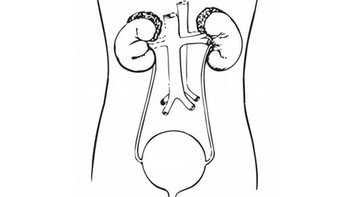
Fosciclopirox will be investigated for the treatment of newly-diagnosed and recurrent bladder cancer in a phase 2 study.
The FDA has granted approval to Rylaze for use within a chemotherapy regimen to treat adult and pediatric patients with acute lymphoblastic leukemia and lymphoblastic lymphoma who are allergic to the E. coli-derived asparaginase products that are traditionally used.
A phase 2 study is underway to evaluate the safety and efficacy of the pembrolizumab and quavonlimab coformulation in combination with lenvatinib as treatment of patients with advanced hepatocellular carcinoma.
Treatment with nab-paclitaxel plus gemcitabine versus gemcitabine alone in patients with resected pancreatic cancer showed positive 5-year overall survival outcomes that were consistent with the primary analysis of the phase 3 APACT clinical trial as well as a post hoc analysis.
The first patient with metastatic prostate cancer has been dosed with the investigational next-generation androgen biosynthesis inhibitor, PRL-02, as part of a phase 1/2a clinical trial.
The FDA has granted orphan drug designation to devimistat for the treatment of patients with biliary cancer,
The FDA has granted fast track designation to SNDX-5613 for the treatment of adult and pediatric patients with relapsed or refractory acute leukemias who harbor a mixed lineage leukemia rearranged or nucleophosmin mutation.
The target number of patients with soft tissue sarcoma lung metastases have been enrolled in the phase 1b/2 study of Annamycin, commencing the recruiting portion of the trial.

The combination of cabozantinib and atezolizumab demonstrated improvement in both progression-free and overall survival compared with sorafenib, in patients with untreated advanced hepatocellular carcinoma.
The FDA’s Oncologic Drug Advisory Committee voted 13 to 4 for the deferral of the FDA approval of retifanlimab for the treatment of patients with locally advanced or metastatic squamous carcinoma of the anal canal who have progressed on or who are intolerant of platinum-based chemotherapy, pending more research.
Relacorilant administered in combination with nab-paclitaxel elicited responses in patients with metastatic pancreatic cancer, leading to the halting of enrollment in the phase 2 RELIANT trial.
Sintilimab injection in combination with chemotherapy showed a statistically significant and clinically meaningful improvement in overall survival as frontline treatment of patients with unresectable, locally advanced recurrent or metastatic esophageal squamous cell carcinoma.
The combination of the anti-PD-1/PD-L1 therapy pembrolizumab with the platinum-based chemotherapy regimens paclitaxel plus cisplatin or paclitaxel plus carboplatin administered with or without bevacizumab improved both progression-free and overall survival in patients with persistent, recurrent, or metastatic cervical cancer, meeting the primary end point of the phase 3 KEYNOTE-826 trial.

In an interview with Targeted Oncology, held during the 2021 ASCO Annual Meeting, Travis Sims, MD, MPH, discussed the treatment of HRD-positive ovarian cancer and the retrospective analysis of HRD status and its impact of survival outcomes for this patient population.

Treatment with [vic-]trastuzumab duocarmazine (SYD985) demonstrated a statistically significant improvement in progression-free survival compared with physician’s choice of treatment in patients with pretreated HER2-positive unresectable locally advanced or metastatic breast cancer, meeting the primary end point of the phase 3 TULIP study, according to a press release from Byondis B.V.
More the half of patients with metastatic renal cell carcinoma who received pembrolizumab in combination with cabozantinib had a response to the combination at the recommended phase 2 dose and tolerated treatment well.
The FDA has granted fast track designation to bemcentinib in combination with an anti-PD-L1 agent as a potential treatment option for patients with AXL-positive advanced or metastatic non-small cell lung cancer.
The combination of alrizomadlin and pembrolizumab was well tolerated in patients with unresectable or metastatic melanoma or advanced solid tumors that have been resistant to immuno-oncologic drugs treated in a phase 2 study.
The FOLFOXIRI regimen in combination with bevacizumab is preferred over FOLFOXIRI plus cetuximab for the treatment of patients with RAS wild type, BRAF V600E mutant metastatic colorectal cancer.

Across 3 HER2-negative biomarker signature groups, treatment with intra-tumoral SD-101 in combination with pembrolizumab and paclitaxel increased estimated pathological complete response rates in patients with high-risk, HER2-negative stage II/III breast cancer, but the results were not considered significant, according to findings from the phase 2 I-SPY 2 trial.
Allogeneic hematopoietic cell transplantation was shown to be safe when performed with a reduced-intensity conditioning regimen of bortezomib, fludarabine, and melphalan in patients with high-risk multiple myeloma

Treatment with daratumumab in community clinics appeared well tolerated in patients with multiple myeloma and showed similar efficacy to that observed in clinical trials.