The FDA has approved ColoSense, a stool screening test with 93% accuracy for colon cancer in average-risk adults over the age of 45. This noninvasive option may boost early detection rates.
Jordyn Sava is an editor for Targeted Oncology.
The FDA has approved ColoSense, a stool screening test with 93% accuracy for colon cancer in average-risk adults over the age of 45. This noninvasive option may boost early detection rates.
A clinical trial to evaluate EIS-12656 in patients with specific types of advanced solid tumors will begin following the clearance of an investigational new drug application from the FDA.
The FDA is considering a subcutaneous nivolumab formulation for various solid tumors based on promising data from the phase 3 CheckMate -67T trial. A target action date has been set for December 29, 2024.

Maintenance UGN-101 therapy demonstrated good durability of response in initial responders with low-grade upper tract urothelial cancer, as evidenced by a low rate of disease progression in a multicenter, longitudinal follow-up study.
In the phase 3 BOND-003 trial, cretostimogene grenadenorepvec led to durable complete responses over 12 months among patients with high-risk BCG-unresponsive non-muscle-invasive bladder cancer with carcinoma in situ.

In an interview with Targeted Oncology, Lori J. Wirth, MD, delved into how the data from SELECT signals lenvatinib effectiveness as a frontline therapy for patients with RAI-refractory differentiated thyroid cancer.
With an FDA orphan drug designation now granted to IGNK001, clinical trials investigating the agent in acute myeloid leukemia are planned to initiate in the US.

Major gaps in breast, cervical, and colorectal cancer screening use in federally qualified health centers in the United States were seen compared with overall screening rates nationally.

Finalized breast cancer screening recommendations from the United States Preventive Services Task Force suggest women aged 40 to 74 should get a mammogram every other year.

The combination of pembrolizumab, trastuzumab, and chemotherapy showed significant improvement in overall survival vs placebo in patients with HER2-positive advanced gastric or gastroesophageal junction adenocarcinoma.

In this episode of Emerging Experts, Michael LaPelusa, MD, shares his insights, experiences, and passion for cancer research, particularly in the realm of gastrointestinal cancers.
Here are the latest FDA approvals, designations, and decisions from April 2024.

A pivotal phase 2 study evaluating glecirasib for the treatment of KRAS G12C-mutated advanced non-small cell lung cancer met its primary end point with an encouraging overall response rate.
The FDA issued a ‘safe to proceed’ for the investigational new drug application for PRAME TCR/IL-15 NK for relapsed or refractory myeloid malignancies.
Tisotumab vedotin is now an FDA-approved treatment for patients with recurrent or metastatic cervical cancer.

Lucia Masarova, MD, PhD, elaborated on the latest updates across myeloproliferative neoplasms, focusing on significant studies and emerging therapeutic approaches.
Trastuzumab-strf, a biosimilar of trastuzumab, has received FDA approval for treating HER2-overexpressing breast cancer and metastatic gastric cancer.

New data from the DESTINY-Breast06 trial indicate that trastuzumab deruxtecan could become a new standard of care for patients with HER2-low and HER2-ultralow metastatic breast cancer.

In an interview with Targeted Oncology for Head and Neck Cancer Awareness Month, Noel Laudi, MD, MRCP, discussed the link between human papillomavirus infection and head and neck cancers.
In an interview with Targeted Oncology, Ben Jones identified the key challenges community oncologists are facing due to legislative changes in cancer care policy.
The FDA accepted the supplemental biologics license for dostarlimab plus standard-of-care chemotherapy for all patients with primary advanced or recurrent endometrial cancer and set a Prescription Drug User Fee Act action date of August 23, 2024.

In the interview with Targeted Oncology, Sanjay K. Juneja, MD, 2024 Oncology Icons honoree, discusses the transformative power of collaboration, technology, and compassionate care in shaping his career, as well as the future of cancer treatment.
Patients with Bacillus Calmette-Guérin-unresponsive non-muscle-invasive bladder cancer carcinoma in situ now have a new treatment option following the FDA’s approval of nogapendekin alfa.

Rhonda Henschel, MBA, discussed the challenges and considerations for community oncology practices looking to implement cellular therapy programs.
The phase 3 CONVERT study suggests that twice-daily radiotherapy remains the standard for limited-stage small cell lung cancer due to its effectiveness and lower associated toxicity compared to the once-daily approach.
The FDA approved adjuvant alectinib following tumor resection for the treatment of patients with ALK-positive non-small cell lung cancer.

Adjuvant pembrolizumab had an estimated 91.2% overall survival rate after 4 years compared with 86.0% for patients with clear-cell renal cell carcinoma who received a placebo.
The FDA has approved Lumisight and the Lumicell Direct Visualization System for fluorescence imaging in adult patients with breast cancer.
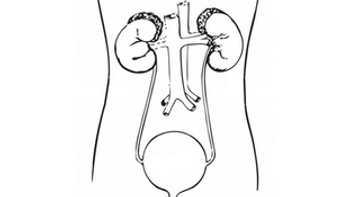
Three additional clinical trials will study nadofaragene firadenovec-vncg for the treatment of patients with non-muscle invasive bladder cancer.

A new study found that Black patients with prostate cancer were less likely to get new treatments and had a higher risk of death than White patients.