
Mark Geyer, MD, and Yannis K. Valtis, MD, delved into the background and findings from a study looking at clinical and laboratory tumor lysis syndrome in patients with CLL who were treated with venetoclax in the inpatient and outpatient settings.
Jordyn Sava is an editor for Targeted Oncology.
Mark Geyer, MD, and Yannis K. Valtis, MD, delved into the background and findings from a study looking at clinical and laboratory tumor lysis syndrome in patients with CLL who were treated with venetoclax in the inpatient and outpatient settings.
JCXH-211, a first-in-class LNP-encapsulated self-replicating RNA encoding IL-12, demonstrates promising preclinical efficacy and safety for the treatment of patients with advanced solid tumors.

In an interview with Targeted Oncology, Francis P. Worden, MD, delved into the rationale behind the study and the implications of this research for patients with radioidine-refractory differentiated thyroid cancer.
The FDA has granted fast track designation to 225Ac-FL-020, a promising PSMA-targeting radionuclide drug conjugate for metastatic castration-resistant prostate cancer.

Combining stereotactic radiosurgery with immunotherapy significantly improves overall survival in patients with renal cell carcinoma and brain metastasis.
Here's a look back on all of the FDA happenings from June 2024.

In an interview, Cesar Augusto Perez, MD, delved into the findings from a phase 2 study evaluating petosemtamab plus pembrolizumab in patients with recurrent/metastatic head and neck squamous cell carcinoma.

Mikkael A. Sekeres MD, MS, further discussed the approval of imetelstat for the treatment of patients with low- to intermediate-1 risk myelodysplastic syndromes.

MRG004A, a novel antibody-drug conjugate, elicited antitumor activity and had manageable toxicities when used in heavily pretreated patients with multiple tumor types with high tissue factor.

Adam Weiner, MD, discusses his journey toward becoming an oncologist with a focus in urology in this episode of Emerging Experts.

Blinatumomab integration led to high complete response and minimal residual disease-negativity rates, especially in patients over 40 and Philadelphia chromosome-positive cases.
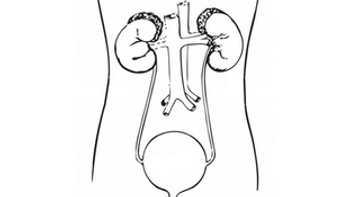
Vikram Narayan, MD, discussed the durable clinical activity observed with nadofaragene firadenovec in the CS-003 trial for patients with non-muscle invasive bladder cancer.
Patritumab deruxtecan has been issued a complete response letter to its biologics license application for the treatment for patients with advanced non-small cell lung cancer with EGFR mutations after prior treatment with 2 or more lines of therapy.

Tanya Gupta, MD, highlighted the approved indications for antibody-drug conjugates in breast cancer, the efficacy data supporting their approvals, and ongoing studies to advance the space further.
CT-0525 has received a fast track designation from the FDA for the treatment of solid tumors that overexpress HER2.
Combining durvalumab with chemotherapy in the NIAGARA trial led to significant improvements in event-free survival and overall survival for patients with muscle-invasive bladder cancer.

Paula Rodríguez Otero, MD, PhD, discussed the deepening of response and minimal residual negativity during maintenance in the PERSEUS study for patients with multiple myeloma.
The FDA granted a rare pediatric disease designation to a promising new drug, SLS009, for the treatment of pediatric leukemia.
Mark A. Lewis, MD, discussed the growing excitement of using dostarlimab for the treatment of colorectal cancer and explored ways to maximize its potential.

Narjust Florez, MD, shared insights into emerging issues seen for young patients with lung cancer facing fertility and pregnancy and the urgent need for tailored guidelines and research.
The FDA has approved adagrasib plus cetuximab for KRAS G12C metastatic colorectal cancer based on data from the KRYSTAL-1 study.

Capivasertib combined with paclitaxel failed to improve overall survival in a phase 3 trial CAPItello-290 in metastatic triple-negative breast cancer, missing the study’s dual primary end points.
While the primary end point of overall survival was not met in the phase 3 RESILIENT study, the overall response rate was 44.1% vs 21.6% with liposomal irinotecan vs topotecan in relapsed small cell lung cancer.
ZW171, a bispecific antibody targeting MSLN-expressing cancers, has shown promising preclinical results and plans for further regulatory submissions outside the US in late 2024.
A biologics license application for subcutaneous amivantamab combined with recombinant human hyaluronidase has been submitted to the FDA for NSCLC indications.
The FDA has approved a treatment regimen combining durvalumab with carboplatin and paclitaxel, followed by durvalumab monotherapy, for adults with primary advanced or recurrent endometrial cancer that is deficient in mismatch repair.

The phase 3 SIERRA study revealed that only Iomab-B recipients achieved the primary end point of durable complete remission.
In this episode of Targeted Talks, Binod Dhakal, MD, MS, discusses the recent FDA approval of ciltacabtagene autoleucel for the treatment of relapsed/refractory multiple myeloma.
In an interview with Targeted Oncology, Sarah Sammons, MD, discussed an analysis of the DESTINY-Breast03 trial, highlighting the need for further research on trastuzumab deruxtecan in other breast cancer subtypes and solid tumors with brain metastases.
Anita Boyapati, PhD, discussed her research on the link between soluble BCMA and both disease burden and response to BCMA-targeted therapies in this patient population.