Commentary|Videos|March 4, 2026
Sequencing Strategies in Frontline RCC
Author(s)Targeted Oncology Staff
Fact checked by: Tony Berberabe, MPH
Using the best medication available in the frontline setting of RCC leads to optimal results.
Episodes in this series








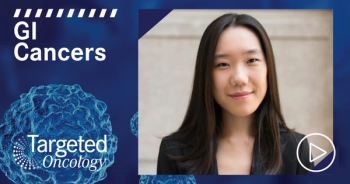
David Braun, MD, of the Yale School of Medicine explores the strategic tension between immediate, aggressive treatment and long-term medication sequencing for renal cell carcinoma (RCC). He identifies 2 primary schools of thought that clinicians must navigate when managing patients in the frontline setting.
The first perspective is shaped by the specialized expertise of a high-volume "kidney cancer only" specialist. Because these experts manage RCC exclusively, they develop a refined intuition for the disease’s trajectory, allowing them to precisely determine when a malignancy is likely to progress rapidly or remain stable. For these specialists, diving into the "weeds" of treatment sequencing—carefully planning which drugs to use now versus later—is a viable and effective strategy.
However, Dr Braun balances this with a sobering national statistic: fewer than half of patients with RCC actually survive or remain healthy enough to transition to second-line therapy. This reality informs his second, more universal perspective. He argues that for the general oncologist who may only see a patient with RCC once every few months, the focus should shift away from the intricacies of sequencing. Instead, the safest and most effective "right answer" is to prioritize the best available therapy upfront.
Ultimately, Dr Braun’s paradigm suggests that while sequencing is an intellectual and clinical exercise for specialists, the primary goal for most practitioners should be maximizing the initial treatment window. By using the most potent tools immediately, clinicians can account for the high attrition rate between therapy lines, ensuring that every patient receives the highest quality care while they are most able to tolerate it.
Related Content
Advertisement