Neeta Somaiah, MD, discusses her presentation given at the Inaugural Miami Cancer Institute Precision Medicine Oncology Symposium.
Neeta Somaiah, MD, discusses her presentation given at the Inaugural Miami Cancer Institute Precision Medicine Oncology Symposium.
In an interview with Targeted Oncology, Everett E. Vokes, MD, discussed precision oncology for head and neck cancer and how the molecular biology of head and neck cancers is an opportunity for new investigations and treatment development.

In an interview with Targeted Oncology, Patrick Wen, MD, discussed precision medicine for adult gliomas, including present and future treatment options.
Manmeet Ahluwalia, MD, discusses the important presentations on women’s cancer presented at the Inaugural Miami Cancer Institute Precision Oncology Symposium.
In an interview with Targeted Oncology, Neeta Somaiah, MD, explained how targeted therapies have started to re-shape the treatment of sarcomas and the potential role of immunotherapy in the future.

In an interview with Targeted Oncology, John Diaz, MD summarized the ovarian cancer treatment paradigm, and discussed the role of genomic testing and novel targets being explored in the space.
Manmeet Ahluwalia, MD, discusses the purpose behind the Inaugural Miami Cancer Institute Precision Oncology Symposium.
In an interview with Targeted Oncology™, Manmeet Ahluwalia, MD, discussed the importance of the Inaugural Miami Cancer Institute Precision Medicine Oncology Symposium, what to expect from his presentation on brain metastases, and what to expect from presentations by other experts.

In an interview with Targeted Oncology, Ariel Perez, MD, explained the outcomes of patients with R/R large B-cell lymphoma who were treated with Pola-BR in the real-world setting, and the key takeaways from a single-institution study.

In an interview with Targeted Oncology, Guenther Koehne, MD, PhD provided a detailed explanation on the impact of cytomegalovirus reactivation post-transplant, cytomegalovirus reactivation prevention, and refractory cytomegalovirus reactivation.

Srikanth Nagalla, MD, MS, describes initiatives to improve the talent pipeline for hematology staff at all levels.

Michael Chuong, MD, discusses the study design of a trial evaluating radiation therapy in patients with locally advanced pancreatic cancer.

Alonso Gutierrez, MD, discusses the initial results from a feasibility study which evaluated the use of a daily wearable patient-tracking device to optimize radiation machine use and time the delivery of treatment.
In an interview with Targeted Oncology, Leonard A. Kalman, MD, discussed how real-world data will improve the understanding of patients with cancer being treated at Miami Cancer Institute and of how the business runs overall.
In an interview with Targeted Oncology, Raajit Rampal, MD, PhD, discussed the recent advances in myelofibrosis and what his hopes are for the future of this space.

As these new techniques evolve and we adjust conditioning regimens, induction timing and dosing levels, as well as introducing different drug combinations, we are very hopeful that we will continue to see improved outcomes for hematologic malignancies, says Guenther Koehne, MD, PhD.

During a presentation, Paul G. Richardson, MD, talked about the shift from triplet combination therapies toward quadruplet combinations for the treatment of multiple myeloma.
Adam Cohen, MD, discusses his presentation on updates in BCMA-directed therapies for multiple myeloma, which he gave during the 3rd Summit of the Americas on Immunotherapies for Hematologic Malignancies.

Michael Chuong, MD, discusses the unmet needs for the treatment of inoperable pancreatic cancer.
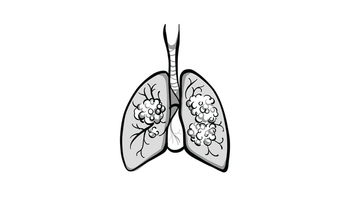
Treatment locations in New York, New Jersey, and Florida are recruiting patients with mall cell lung cancer to receive olaparib and low-dose radiotherapy in a phase 1 clinical trial.
The treatment of platinum-resistant ovarian cancer is challenging, with limited therapeutic options. Antibody-drug conjugates as single agents or in combinations are showing promise for these patients.

Michael D. Chuong, MD, a radiation oncologist and medical director of Proton Therapy at Miami Cancer Institute, Baptist Health South Florida, discusses the benefits of MRI-guided radiation therapy in pancreatic cancer.
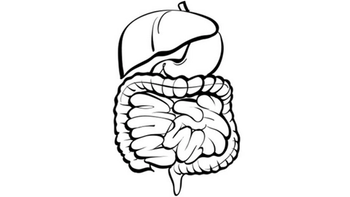
Complete surgical removal of a pancreatic tumor is not possible for most patients. Chemotherapy and radiation therapy are typically recommended to slow tumor growth, but ultimately are not expected to be curative, writes Michael Chuong, MD.
While the volume and variety of information coming from current studies seems overwhelming, it is what is changing the cancer care environment today.