
An era of advanced molecular testing and personalized medicine has allowed for the de-escalation of breast cancer treatment for many patients. This is part 1 of a 2-part series on overtreatment of breast cancer.
An era of advanced molecular testing and personalized medicine has allowed for the de-escalation of breast cancer treatment for many patients. This is part 1 of a 2-part series on overtreatment of breast cancer.

Federico Albrecht, MD, comments on clinical trials supporting the use of PD-L1 inhibitor therapy in combination with standard chemotherapy for the treatment of patients with extensive-stage small cell lung cancer.
John Diaz, MD, discusses some known biomarkers in ovarian cancer and where he hopes to see more research in the future.

George Nahas, DO, discusses ongoing research that may shape the future treatment landscape of multiple myeloma.

In an interview with Targeted Oncology, Antonio Ucar, MD, discussed the evolving role of sunitinib for the second-line treatment of gastrointestinal stromal tumors, and the Peak study.

Investigators are evaluating the efficacy and safety of selinexor vs placebo when used as a maintenance therapy for patients with p53 wild-type advanced or recurrent endometrial cancer.
Results from a subgroup analysis of the phase 3 SIENDO study show a survival advantage, signaling that tp53 may have predictive value for treatment with selinexor, in addition to its prognostic value.
John Diaz, MD, discusses potential innovations for the ovarian cancer space.

In an interview, Rohan Garje, MD, discussed his research on comparing the outcomes of sarcomatoid and classic urothelial carcinoma of bladder.

In an interview with Targeted Oncology, Ahmad Ozair, MBBS, discussed treatments for glioblastoma and a trial evaluating surgically targeted radiation therapy in this patient population.
In an interview with Targeted Oncology, Manmeet S. Ahluwalia, MD, a Q2 2023 Oncology Icons honoree, looks back on the career moves that led him to this award, including his work at Cleveland Clinic, the ASCO Leadership Development Program, and Baptist Health South Florida.
George Nahas, DO, discusses recent and ongoing research that has impacted the current treatment landscape for patients with multiple myeloma.

In an interview with Targeted Oncology, George Nahas, DO, discussed relevant research on chimeric antigen receptor therapy, bispecifics, and more that are moving the needle in multiple myeloma research.
Rohan Garje, MD, discusses the goals of his research in assessing the outcomes of sarcomatoid vs classic urothelial carcinoma of bladder.
Manmeet Ahluwalia, MD, discusses results from the CRUX trial which were presented during the 2023 American Society of Clinical Oncology Annual Meeting.

Rupesh Kotecha, MD, discusses the key findings from an analysis centered around the use of pulse reduced dose rate intensity-modulated radiotherapy in patients with central nervous system malignancies.
John P. Diaz, MD, discusses how meetings on gynecologic oncology provide advantages for everyday physicians to keep track of the latest updates on the treatment landscape.
In an interview with Targeted Oncology, Reshma Mahtani, DO, discussed the key breast cancer topics during the Miami Cancer Institute Women’s Cancer Symposium and her presentation regarding HER2-positive breast cancer .
Rupesh Kotecha, MD, discusses results of an analysis which centered around the use of pulse reduced dose rate intensity-modulated radiotherapy in patients with central nervous system malignancies.

For Head and Neck Cancer Awareness Month, we looked at the connection between the human papillomavirus and this disease, and the role it has in determining treatment now and in the future.
John P. Diaz, MD, explains the importance of the topics to be discusses at the Miami Cancer Institute Women’s Cancer Symposium on April 21, 2023.
John P. Diaz, MD, provides an overview of the topics to be discusses during the Miami Cancer Institute Women’s Cancer Symposium on April 21, 2023.
Ariel Perez, MD, discusses polatuzumab vedotin in combination with bendamustine and rituximab since garnering approval from the FDA and studies that evaluated the combination.

In an interview with Targeted Oncology, Craig Sauter, MD, discusses available treatments for patients with central nervous system lymphoma and research that will provide more developments moving forward in this space.
In an interview with Targeted Oncology, Raajit K. Rampal, MD, PhD, discussed the currently approved JAK inhibitors used to treat patients with myelofibrosis, and exciting movements in the field.
John Diaz, MD, discusses some of the challenges with using targeted therapies in the ovarian cancer space.
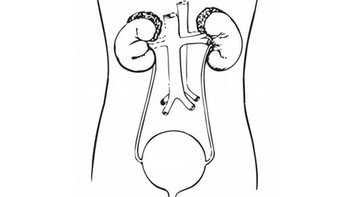
Murugesan Manoharan, MD, FRACS, offers observations about prostate cancer care at Miami Cancer Institute.
In an interview with Targeted Oncology, Guenther Koehne, MD, PhD, provided an overview of The Summit of Americas on Immunotherapies for Hematologic Malignancies and some of the recent and exciting advances being seen in the hematology space.

In an interview with Targeted Oncology™, Rohan Garje, MD, discussed available therapies, how to assess risks, and manage toxicities for patients with renal cell carcinoma.
Patients with brain metastases now have access to more radiosurgery modalities that deliver focused radiation to the body, brain and spine, than any other center in the region.