Paul G. Richardson, MD, detailed the strategic integration of mezigdomide into several areas including the unmet need of post CAR T-cell therapy.
Paul G. Richardson, MD, detailed the strategic integration of mezigdomide into several areas including the unmet need of post CAR T-cell therapy.
Paul G. Richardson, MD, explains the distinct potential roles and combinations including iberdomide and mezigdomide in multiple myeloma treatment.
In an interview, Paul G. Richardson, MD, gave an overview of the ways that CELMoDs are poised to impact the landscape of multiple myeloma treatment at various stages of disease treatment.
Paul G. Richardson, MD, discusses the SUCCESSOR-2 trial of mezigdomide, carfilzomib, and dexamethasone in multiple myeloma.
In an interview, Neeta Somaiah, MD, discussed potential areas of exploration in treating gastrointestinal stromal tumors.
Precision drugs, immunotherapy, and radiosurgery transform brain metastases care, extending survival years as teams tackle adverse effects.
Dr Manmeet Ahluwalia explores how precision oncology and targeted therapies are transforming brain metastases care, extending survival from months to years.
New targeted drugs transform HER2, ROS1 and ALK lung cancer care, boosting brain response and survival—while precision choices still matter.
South Florida’s diverse lung cancer cases fuel genomic breakthroughs, push screening beyond smokers, and accelerate 2026 targeted-therapy progress.
Although not as essential as in other tumor types, genomic testing is increasingly playing a role in guiding treatment for advanced sarcoma.
Clinicians explore the shift towards earlier use of antibody-drug conjugates in GI oncology, aiming to enhance patient outcomes and treatment efficacy.
Recent trials reveal promising advancements in targeted therapies for chondrosarcomas and tenosynovial giant cell tumors.
Explore the vital role of antibody-drug conjugates in precision oncology for GI malignancies, focusing on managing payload-dependent toxicities effectively.
Discover the latest advancements in pancreatic cancer treatment, including targeted therapies and next-generation sequencing, transforming patient care and outcomes.
Discover how antibody-drug conjugates (ADCs) are transforming treatment strategies for gastrointestinal cancers, enhancing precision and patient outcomes.
Manmeet Ahluwalia, MD, MBA, FASCO, shares a message during Brain Cancer Awareness Month.
Manmeet Ahluwalia, MD, MBA, FASCO, discussed the significance of National Cancer Research Month and highlighted how ongoing cancer research directly impacts patient care.
Michael E. Kasper, MD, FACRO, discussed unmet needs in skin cancer treatment and addressed misconceptions among patients and health care providers.
Manmeet Ahluwalia, MD, MBA, FASCO, highlights genomic testing as a crucial area of current research with immediate implications for patients with brain cancer.
Noah S. Kalman, MD, MBA, discusses the evolving role of molecular and genetic testing in thyroid cancer management.
In an interview with Targeted Oncology for World Cancer Day, Manmeet Ahluwalia, MD, MBA, FASCO, explored the key challenges facing community oncology and the strategies needed to close these gaps.
Manmeet Ahluwalia, MD, MBA, FASCO, discusses the prevalence of brain metastases in patients with primary renal cell carcinoma.

An AI-driven tool enhances stereotactic radiosurgery for small brain metastases by predicting local failure risks, optimizing radiation dosing, and personalizing MRI follow-ups.
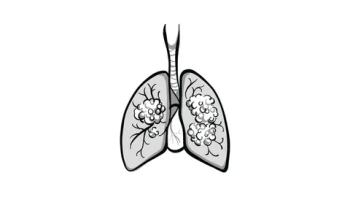
In an interview with Targeted OncologyT, Rupesh Kotecha, MD, discussed a study focused on how systemic therapy selection impacts outcomes in patients with brain metastases, particularly those with lung cancer.
Noah S. Kalman, MD, MBA, discusses how oncologists can determine the best course of action for the treatment and management of a patient with thyroid cancer.
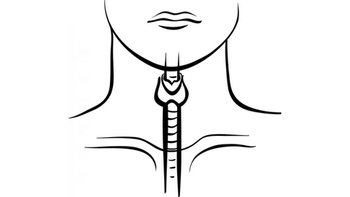
Noah S. Kalman, MD, MBA, highlighted advancements in thyroid cancer treatment, emphasizing personalized therapies, molecular testing, and optimizing traditional approaches.

Janelle Vicens, DNP, APRN, FNP-BC, and Sandra Sepulveda, AGPNP-BC, MSN, BMTCN, discussed what went into developing this Malignant Hematology and Bone Marrow Transplant APP Fellowship.
Noah S. Kalman, MD, MBA, discusses the most common types of thyroid cancer and their respective prognoses.

In an interview with Targeted Oncology, Hina Saeed, MD, discussed how AI and radiomics are changing the landscape of radiation oncology.