


Renal Cell Carcinoma
Latest News
Latest Videos

CME Content





























More News

Immune checkpoint inhibitor-based treatment was equally effective as a frontline treatment for both Black and White patients with metastatic renal cell carcinoma in separate analyses.
During a Case-Based Roundtable® event, Saby George, MD, discussed the case of a patient with clear cell renal cell carcinoma who progressed after left nephrectomy followed by treatment with axitinib plus pembrolizumab at recurrence.
During a Targeted Oncology™ Case-Based Roundtable™ event, Robert J. Motzer, MD, asked participants to share their experiences using nivolumab plus cabozantinib in patients with advanced renal cell carcinoma. This is the second of 2 articles based on this event.
Dr. Motzer reviews the efficacy and safety data from the KEYNOTE-427 trial.
Provide perspective on quality-of-life observations with different IO-TKI regimens and supporting evidence.
Dr. Hammers outlines his thought process around TKI/ICI dose modifications vs discontinuations with toxicity and discusses toxicity management recommendations.
During a Targeted Oncology™ Case-Based Roundtable™ event, Rana McKay, MD, moderated a discussion on key takeaways from frontline combination trial data in patients with metastatic renal cell carcinoma. This is the second of 2 articles based on this event.
Dr. Motzer discusses his view on the appropriateness of the initial therapy for this nccRCC patient, including key factors he considers when deciding on initial treatment.
Dr. Motzer provides his perspective on the notable aspects of this nccRCC case and how it compares to typical cases.
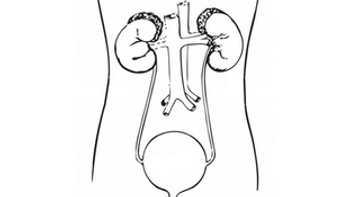
Hedyeh Ebrahimi, MD, discussed a novel approach to targeting metastatic renal cell carcinoma through a microbiome-mediated pathway.

In this episode of Emerging Experts, Peter Zang, MD, highlights research on baseline CD8 lymph node avidity with 89-Zr-crefmirlimab for the treatment of patients with metastatic renal cell carcinoma and response to immunotherapy.
Dr. Hammers shares his experience with high-grade AEs in IO-TKI treated patients and how toxicities are mitigated/managed.
Dr. Hammers explains factors involved in decision-making between immunotherapy-based treatment options.
New guideline favors doublet therapy over triplet for metastatic renal clear cell cancer due to lower toxicity. COSMIC-313 trial shows improved progression-free survival with triplet therapy but significant adverse events.
Hedyeh Ebrahimi, MD, MPH, discusses a study that found adding the live bacterial product CBM588 to standard immunotherapy potentially impacted patients' responses in renal cell carcinoma.
Dr. Hammers discusses recent efficacy and safety data updates from CHECKMATE-214, KEYNOTE-426, and CHECKMATE-9ER trials.
Dr. Hammers summarizes key efficacy findings from the CLEAR study of pembrolizumab + lenvatinib vs sunitinib.
During a Targeted Oncology™ Case-Based Roundtable™ event, Robert J. Motzer, MD, examined the impact of the CheckMate 214 and CheckMate 9ER trials of nivolumab/ipilimumab and nivolumab/cabozantinib in patients with advanced renal cell carcinoma. This is the first of 2 articles based on this event.
Bruno R. Bastos, MD, discusses the future following a study assessing the changes among patients with renal cell carcinoma who were treated with nivolumab and TPST-1120.
Dr. Hammers provides a perspective on the appropriateness of initial pembrolizumab + lenvatinib therapy based on guidelines.
Dr. Hammers discusses initial impressions of the case presentation, comparing it to typical advanced RCC, and reviewing risk factors.

During a Targeted Oncology™ Case-Based Roundtable™ event, Rana McKay, MD, moderated a discussion on what role risk stratification plays in selecting frontline therapy for a patient with metastatic renal cell carcinoma. This is the first of 2 articles based on this event.

Regina Barragan-Carrillo, MD, discusses findings from a large population-based study which found there to be significantly higher rates of nephrectomy among patients with renal cell carcinoma who had received prior thymectomy vs the incidence of nephrectomy overall.
During a Targeted Oncology™ Case-Based Roundtable™ event, Sumanta K. Pal, MD, and participants explored the third-line treatment options for a patient with advanced renal cell carcinoma. This is the second of 2 articles based on this event.
In an interview with Targeted Oncology, Bruno Bastos, MD, discussed how TPST-1120 can help address limited treatment options for patients with advanced renal cell carcinoma beyond immunotherapy and anti-VEGF tyrosine kinase inhibitors.