


MULTIPLE MYELOMA
Latest News

Latest Videos
CME Content





























More News

Full results from the phase 2 KarMMa trial decabtagene vicleucel show the promise of idecabtagene vicleucel in relapsed and refractory multiple myeloma.
In an interview with Targeted Oncology, Hang Quach, MD, discussed the phase 2 Australasian Leukaemia and Lymphoma Group MM 018/ Asian Myeloma Network 002 study and how it can impact the treatment of R/R/ multiple myeloma in the future.
During a Targeted Oncology virtual event, Ajay K. Nooka, MD, MPH discussed the case of a patient with stage II multiple myeloma.

The FDA has granted approval to melphalan flufenamide in combination with dexamethasone for the treatment of adult patients with relapsed or refractory multiple myeloma, who have received at least four prior lines of therapy and whose disease is refractory to at least one proteasome inhibitor, one immunomodulatory agent, and one CD38-directed monoclonal antibody.
David Dingli, MD, PhD, professor of Medicine at the Mayo Clinic, reviews the combination therapies available for the treatment of multiple myeloma in a patient who is 72-years-old and transplant-ineligible.
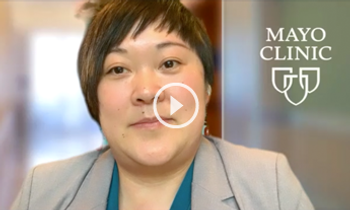
Yi Lin, MD, PhD, explains the potential impact the approval of idecabtagene vicleucel could bring to the multiple myeloma field.
High rates of sustained MRD negativity were achieved with daratumumab-containing combinations compared with the standard-of-care combinations, according to an exploratory analysis of 2 ongoing clinical trials.
Tulio E. Rodriguez, MD, weighs the various treatment options available for a patient with multiple myeloma.

Andrew Spencer, MD, MBBS, discusses the PANORAMA 3 trial data of oral panobinostat plus subcutaneous bortezomib and dexamethasone versus placebo, bortezomib, and dexamethasone.
Sagar Lonial, MD, a professor and Chair of the Department of Hematology and Medical Oncology at Emory University School of Medicine, and the chief medical officer of Winship Cancer Institute of Emory University, explains the need for transplant in patients with multiple myeloma.

Sagar Lonial, MD, FACP, summarizes current challenges and his hopes for the future concerning the treatment of multiple myeloma.
Sagar Lonial, MD, FACP, focuses on the treatment of multiple myeloma during the COVID-19 pandemic, discussing the standard of care with anti-CD38 monoclonal antibodies and daratumumab.
Sagar Lonial, MD, FACP, explains the importance of daratumumab/lenalidomide/low-dose dexamethasone (DRd) in several key areas, including progression-free survival versus common standard-of-care regimens in the PEGASUS trial, toxicities, and how active patients fare.
Sagar Lonial, MD, FACP, discusses the efficacy data from the phase 3 MAIA study, as well as the role of daratumumab when treating newly diagnosed patients with multiple myeloma.
Sagar Lonial, MD, FACP, highlights first-line therapies available for transplant-ineligible newly diagnosed multiple myeloma, with special considerations regarding comorbidities.
Sagar Lonial, MD, FACP, summarizes a case concerning a 78-year-old man with multiple myeloma, including initial impressions and prognosis at diagnosis.
Sagar Lonial, MD, FACP, presents a case of a 78-year-old man with multiple myeloma and discusses the many facets of treatment for multiple myeloma in the elderly population.

Jesus G. Berdeja, MD, discusses the findings from the phase 2 results of ciltacabtagene autoleucel as treatment of patients with relapsed/refractory multiple myeloma in the CARTITUDE-1 study.
During a Targeted Oncology Case-Based Peer Perspectives Roundtable event, Alex Mejia-Garcia, MD, medical oncologist, Cleveland Clinic, discussed the use of daratumumab as treatment of multiple myeloma. The discussion was based on the case scenario of a 51-year-old patient.

Deepu Madduri, MD, discusses the safety findings from a first-in-human phase 1 study of REGN5458, a BCMA x CD3 bispecific monoclonal antibody, as treatment of patients with relapsed/refractory multiple myeloma.
The FDA has granted an Orphan Drug Designation to the B-cell maturation antigen BCMA-targeting tri-specific T cell activating recombinant protein construct, HPN217 for the treatment of patients with multiple myeloma.
In an interview with Targeted Oncology, Nina Shah, MD, discussed the findings from the KarMMA study supporting the use of idecabtagene vicleucel as treatment of patients with multiple myeloma.
During a Targeted Oncology Case-Based Peer Perspective event, Rafael Fonseca, MD, discussed the case of a 72-year-old patient with multiple myeloma.

Mehmet K. Samur, PhD, discusses findings from an analysis evaluating high-dose melphalan followed by autologous stem cell transplant as treatment of patients with multiple myeloma compared with the standard of care treatment regimen lenalidomide, bortezomib, and dexamethasone alone.
Deepu Madduri, MD, details the efficacy data from the phase 1b/2 CARTITUDE-1 study of ciltacabtagene autoleucel (cilta-cel) for relapsed/refractory multiple myeloma.