


LYMPHOMAS
Latest News
Video Series





Latest Videos



CME Content





























More News

The FDA clears the way for a pivotal phase 3 trial of lacutamab, promising new hope for patients with cutaneous T-cell lymphomas.

Glofitamab and polatuzumab vedotin show promising efficacy and safety in treating relapsed/refractory large B-cell lymphoma, with durable responses reported.
A phase 1 trial reveals that combining radiotherapy with immunotherapy enhances response rates in B-cell lymphomas while maintaining manageable safety profiles.
An Exploration of Evidence for Cell of Origin Biomarker in DLBCL
Published: | Updated:
The identification of biomarkers in frontline diffuse large B-cell lymphoma (DLBCL) is ramping up with interest in exploring cell of origin.
FDA fast-tracks EO2463 immunotherapy for follicular lymphoma, promising a new treatment option backed by positive trial data and innovative technology.
Sonrotoclax receives FDA breakthrough designation, promising new hope for patients with relapsed mantle cell lymphoma after standard treatments fail.
New findings from the SUNMO study highlight the promising efficacy and safety of Mosun-Pola for treating relapsed large B-cell lymphoma, offering a chemotherapy-free option.
A phase 2 study reveals low-dose nivolumab and lenalidomide as a promising, safe, chemotherapy-free treatment for classical Hodgkin lymphoma.
CAR T-cell therapy for DLBCL shows promise in outpatient settings, reducing hospital stays and improving patient quality of life while managing toxicities effectively.
Acalabrutinib combined with lenalidomide and rituximab shows promising results as a frontline treatment for follicular lymphoma, achieving high response rates.
Discover the latest advancements in lymphoma treatment, including innovative therapies and personalized medicine, enhancing patient outcomes and quality of life.
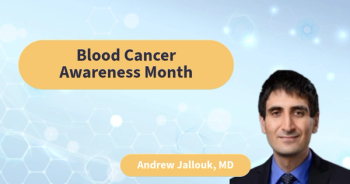
Andrew Jallouk, MD, discusses the surge of approved therapies in lymphoma over the past decade.
Andrew Jallouk, MD, highlights the challenges in lymphoma treatment, including access disparities and the need for personalized therapies for better patient outcomes.

Sonrotoclax shows promise as a new treatment for relapsed/refractory mantle cell lymphoma, achieving significant response rates in heavily pretreated patients.
A groundbreaking study reveals ctDNA testing outperforms traditional imaging in predicting outcomes for patients with large B-cell lymphoma, enhancing treatment strategies.
Epcoritamab shows promising results in treating relapsed follicular lymphoma, with FDA priority review for a groundbreaking combination therapy.
Allogene Therapeutics halts ALLO-647 trial in large B-cell lymphoma after a patient death raises safety concerns, impacting future research.
FDA prioritizes review of liso-cel, a groundbreaking CAR T-cell therapy for relapsed marginal zone lymphoma, promising improved patient outcomes.

A new risk model uses objective clinical data to predict cure or relapse in Hodgkin lymphoma, with future plans to guide treatment and survivorship care.
Andrew Evens, DO, MBA, MSc, discusses a modern way of stratifying risk in patients with early-stage Hodgkin lymphoma.
Andrew Evens, DO, MBA, MSc, discusses the HOLISTIC consortium, which aims to gather and harmonize global Hodgkin lymphoma data from clinical trials and registries.
During a live event, Priyanka Pophali, MD, MBBS, discussed CAR T-cell therapy referrals, timing, and challenges in relapsed or high-risk lymphoma.

Michael Green, PhD, discusses a new method of assessing lymphoma subtypes utilizing the tumor microenvironment.

A recent trial reveals that nivolumab combined with chemotherapy significantly improves survival rates in older patients with advanced Hodgkin lymphoma.