



LEUKEMIAS
Latest News
Latest Videos
CME Content





























More News

Phase 2 FELIX study results show 21.3% of the 94 patients infused with obecatagene autoleucel achieved a complete response or complete response with incomplete count recovery.
The injectable formulation of nelarabine has been granted FDA approval to treatment 2 hematologic malignancies.

The phase 3 PhALLCON trial showed a trend toward event-free survival in patients with Philadelphia chromosome positive acute lymphoblastic leukemia when treated with ponatinib compared with imatinib.

Research shows a high occurrence of ibrutinib-related cardiotoxicity in patients with cancer. This is the first study showing such evidence.
Fadi Haddad, MD, discusses the background of a phase 2 study of blinatumomab in combination with ponatinib in Philadelphia chromosome-positive acute lymphoblastic leukemia.
Mark R. Litzow, MD, discusses the purpose of a trial of blinatumomab for patients with newly diagnosed B-lineage acute lymphoblastic leukemia.
Treatment with tisagenlecleucel in patients with relapsed/refractory B-cell acute lymphoblastic leukemia led to a 79% morphologic complete response rate.
Phase 2 study shows ponatinib and blinatumomab to represent a promising chemotherapy-free, hematopoietic stem cell transplant–sparing treatment for patients with Philadelphia chromosome–positive acute lymphocytic leukemia.

Treatment with CD19-/CD22-chimeric antigen T-cell therapy demonstrated durable remissions in children with relapsed or refractory B-acute lymphoblastic leukemia, according to a phase 2 study.

An early study showed that encouraging responses were elicited with olverembatinib in patients with ponatinib-resistant chronic myeloid leukemia and Philadelphia chromosome-positive acute lymphoblastic leukemia.
In the ECOG-ACRIN E1910 study, blinatumomab with consolidation chemotherapy extended overall survival in patients with MRD-negative B-cell acute lymphoblastic leukemia.
Olverembatinib is efficacious and well tolerated in tyrosine kinase inhibitor-resistant CML-CP and CML-AP patients with a BCR-ABL1 T315I mutation.
Based on phase 1 data of the AUGMENT-101 trial, the FDA has granted a breakthrough therapy designation to SNDX-5613 for patients with relapsed or refractory KMT2A rearranged acute leukemia.

Takeda Pharmaceuticals announced that the phase 3 PhALLCON trial of ponatinib for Philadelphia-positive acute lymphoblastic leukemia succeeded in improving the rate of minimal residual disease–negative complete remission.
Fadi Haddad, MD, discusses the key points from the presentation he gave during the Tenth Annual Meeting of the Society of Hematologic Oncology.
In an interview with Targeted Oncology, Mark R. Litzow, MD, discussed managing patients with different subtypes of ALL and the session he was a part of during the National Comprehensive Cancer Network 2022 Annual Congress: Hematologic Malignancies.
The FDA has approved a new dosing schedule of Rylaze for patients with acute lymphoblastic leukemia and lymphoblastic lymphoma.

Mark R. Litzow, MD, discusses the talk he gave on initial treatment options for patients with acute lymphoblastic leukemia during the National Comprehensive Cancer Network 2022 Annual Congress: Hematologic Malignancies.
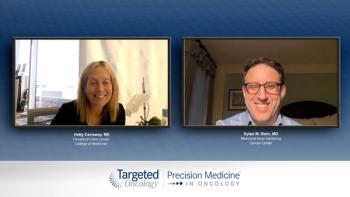
Closing out their discussion, Drs Hetty Carraway and Eytan M. Stein highlight an ongoing clinical trial investigating a triplet therapy for AML.
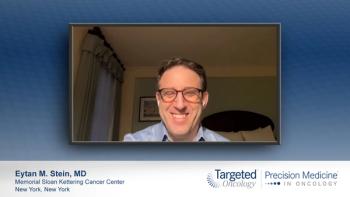
Dr Stein explains clinical trial data on the use of magrolimab plus azacitidine for patients with TP53-mutated AML.
Nitin Jain, MD, discusses clinical trials investigating allogeneic chimeric antigen receptor T-cell therapy for B-cell acute lymphoblastic leukemia and other hematologic malignancies.
Updated data from the phase 1/2 AUGMENT trial led to a 30% complete remission rate and an overall response rate of 53% with SNDX-5613 when used in patients with relapsed/refractory acute leukemias.
Dr Carraway highlights some of the most urgent unmet needs for patients with higher-risk MDS.
Eytan M. Stein, MD, discusses how to treat patients with MDS who have IDH or TP53 mutations, and whether there is a role for targeted therapy in this patient population.
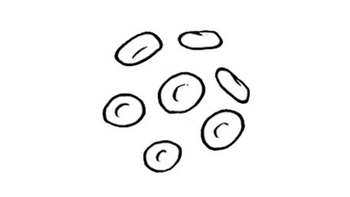
The CAR T-cell therapy tisagenlecleucel showed promising anti-tumor activity in pediatric patients with acute lymphoblastic leukemia.