


GENITOURINARY CANCERS
Latest News
Latest Videos








CME Content





























More News







The FDA has added PD-L1 status to the labels for pembrolizumab (Keytruda) and atezolizumab (Tecentriq) for existing frontline approvals for platinum-ineligible patients with urothelial carcinoma. The addition was made based on lower overall survival rates with the PD-1/PD-L1 inhibitors compared with platinum-based chemotherapy for patients with PD-L1–low expressing platinum-eligible urothelial carcinoma.
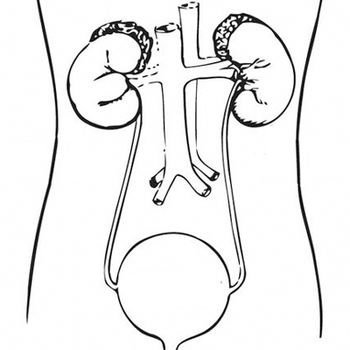
Three presentations during the 2018 American Urological Association Annual Meeting in San Francisco, California, together demonstrated the potential and utility of different assays to identify prostate cancer and guide treatment decisions for patients with prostate cancer. Each assay suggested a simpler and more cost-effective tool for guiding decision making in prostate cancer than immediate tissue biopsy.

Nicholas J. Vogelzang, MD, a medical oncologist at the Comprehensive Cancer Centers of Nevada, discusses the rationale behind conducting the PROSPECT trial in patients with relapsed prostate cancer. Patients enrolled in this study had prostate cancer return after hormonal ablation.

Maha H. Hussain, MB, ChB, professor of medicine and deputy director at Robert H. Lurie Comprehensive Cancer Center, discusses the current role of PARP inhibitors in clinical trials for treatment of patients with prostate cancer.

Shilpa Gupta, MD, assistant professor of Medicine in the Hematology, Oncology, and Transplantation Division, University of Minnesota, discusses phase Ib and phase II studies of pembrolizumab (Keytruda) with bevacizumab (Avastin) for the treatment of metastatic renal cell carcinoma during the 2018 ASCO Annual Meeting.
Cabozantinib has been approved by the European Commission for previously untreated patients with intermediate- or poor-risk advanced renal cell carcinoma, based on a meaningful progression-free survival improvement versus sunitinib in the CABOSUN trial, according to Ipsen, which codevelops the treatment with Exelixis.
A new formulation of abiraterone acetate in combination with methylprednisolone has been approved by the FDA as a treatment for men with metastatic castration-resistant prostate cancer, according to Sun Pharma, the company commercializing the treatment.

According to results from the Annual Report to the Nation on the Status of Cancer, cancer incidence rates have declined in men while remaining stable in women. Additionally, there have been significant declines in cancer death rates, but differences between race and ethnic groups remain.
According to results from a posthoc analysis of the phase III SPARTAN trial, apalutamide (Erleada) lowered the risk of PSA progression by 94% in patients with nonmetastatic castration-resistant prostate cancer.
Risk stratification to guide molecular testing and treatment is emphasized in the latest prostate cancer guidelines from the NCCN. Recommendations for germline testing, molecular testing, and initial therapy have been developed for each risk category, each of which has its own management page in the newest version of the NCCN guidelines.
Findings from the CHAARTED, LATITUDE, and STAMPEDE trials showed various results for adding docetaxel or abiraterone acetate to androgen deprivation therapy in prostate cancer, and this kicked off a challenging issue for clinicians: Is it better to add docetaxel, abiraterone acetate, both, or neither to their patient’s treatment plan?
Patients with prostate cancer and DNA damage repair defects could be candidates for therapy involving poly polymerase inhibitors, and there is strong justification for activating clinical trials in this space, according to Maha Hussain, MD, the Genevieve Teuton Professor of Medicine and deputy director of the Robert H. Lurie Comprehensive Cancer Center of Northwestern University.
Updated results from the phase II LuPSMA study published in<em> The Lancet Oncology </em>showed radionuclide treatment with Lutetium-177 [<sup>177</sup>Lu]-PSMA-617 nearly doubled median PSA progression-free survival in men with progressive metastatic castrate-resistant prostate cancer compared with previous results with another radiopharmaceutical, radium-223.
CB-839 has been granted Fast Track designation by the FDA in combination with cabozantinib for the treatment of patients with metastatic renal cell carcinoma who have received 1 or 2 prior lines of therapy, according to Calithera Biosciences, the manufacturer of the first-in-class glutaminase inhibitor.
Antibiotics administered within 30 days of initiating treatment with PD-1 and PD­-L1 inhibitors were associated with poorer survival and increased risk for disease progression in patients with renal cell carcinoma or non-small cell lung cancer.
Molecular tumor profiling is rapidly driving personalized medicine within oncology. The value of identifying a targetable mutation using next-generation sequencing for available therapies or clinical trials cannot be underestimated. Herein, we review essential considerations in the initial assessment, specialty referral, and sequencing of treatment for advanced prostate cancer with an identified actionable mutation.
A 4-week dosing schedule for nivolumab has been approved by the European Commission for the treatment of patients with advanced melanoma and previously treated renal cell carcinoma, Bristol-Myers Squibb (BMS), the manufacturer of the PD-1 inhibitor, has announced.
Reviewers Commentary: This article adds to the growing body of literature on the role of PARP inhibitors in tumors with DNA repair defects.