

GENITOURINARY CANCERS
Latest News
Latest Videos






Shorts


CME Content





























More News
CAPItello-281 shows capivasertib plus abiraterone extends rPFS in PTEN-deficient mHSPC with manageable toxicity and preserved overall quality of life.
PEACE-2 finds adding cabazitaxel to ADT plus radiotherapy fails to improve survival in high-risk localized prostate cancer, while increasing severe toxicities and deaths.
Findings from the phase 3 LITESPARK-011 trial favored belzutifan/lenvatinib vs cabozantinib in PFS and ORR.
PEACE-3 data show enzalutamide plus radium-223 extends survival and delays progression in bone-predominant mCRPC, with manageable added toxicity.
The phase 2 BRCAAway trial demonstrated that abiraterone acetate, prednisone, and olaparib significantly improves progression-free survival and overall survival compared with either agent used alone or sequentially in patients with metastatic castration-resistant prostate cancer harboring BRCA1/2 or ATM alterations.
Highlights from the 2026 ASCO Genitourinary Cancer Symposium featuring key presentations in bladder, kidney, prostate, and rare cancers.
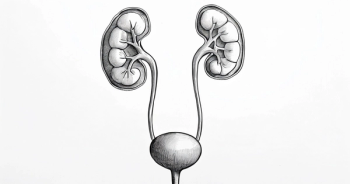
The 5-mg dose of oxybutynin reduced the frequency and severity of hot flashes in men with prostate cancer undergoing treatment with androgen-deprivation therapy compared with placebo.
New ASCO Living Guidelines on prostate cancer emphasize first-line therapies, bone protection, and the growing role of genetic testing.
During his presentation at the 4th Annual Miami Cancer Institute Precision Oncology Symposium, Petros Grivas, MD, PhD, FASCO, provided a detailed roadmap for community oncologists with an emphasis on precision medicine.
Explore the vital role of community oncology in GU cancer treatment, bridging research and real-world applications for better patient care.
A recent study reveals comparable outcomes for radical cystectomy and bladder-sparing therapy in treating recurrent high-grade bladder cancer, emphasizing patient-centered care.
Discover groundbreaking advancements in urologic oncology, including new standards for prostate, kidney, and bladder cancer treatments that enhance patient outcomes.
Rucaparib receives full FDA approval for treating metastatic castration-resistant prostate cancer, offering a vital chemotherapy-free option for patients.
FDA approves a new treatment combining niraparib and abiraterone for BRCA2-mutated metastatic prostate cancer, enhancing patient outcomes.
TARA-002 shows promising efficacy and safety in treating BCG-naive non-muscle invasive bladder cancer, with high response rates and durability.
JANX007 shows promising efficacy and manageable safety in treating metastatic castration-resistant prostate cancer, with significant PSA reductions and durable responses.
Sacituzumab tirumotecan shows promising antitumor activity in advanced urothelial carcinoma, offering hope for patients with limited treatment options.
The IsoPSA test revolutionizes prostate cancer diagnosis, enhancing risk assessment and reducing unnecessary biopsies for men with elevated PSA levels.
New research from ESMO 2025 reveals significant survival benefits of intensified androgen blockade over traditional therapies for advanced prostate cancer.
AVZO-103 receives FDA fast track designation, offering hope for advanced urothelial cancer patients previously treated with enfortumab vedotin.

New findings reveal that GDF-15 neutralization with visugromab and nivolumab significantly enhances long-term responses in advanced cancer patients.
Patients with non-muscle invasive bladder cancer seek improved communication with providers about treatment options, highlighting a need for collaborative care discussions.
Explore the evolving role of medical oncologists in treating non–muscle invasive bladder cancer with innovative immunotherapy options and trial insights.