

GENITOURINARY CANCERS
Latest News
Latest Videos


CME Content





























More News
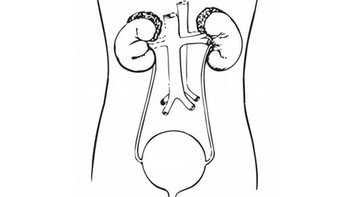
Findings from the phase 3 ARANOTE trial demonstrated an improvement in radiographic progression-free survival with darolutamide vs placebo plus androgen deprivation therapy in metastatic hormone-sensitive prostate cancer.
Scott T. Tagawa, MD, MS, FACP, FASCO, discusses the potential benefits of antibody-drug conjugates in urothelial cancer while acknowledging the need for more education and experience among physicians to optimize their use.
BNT324/DB-1311 gained fast track designation from the FDA in unresectable advanced or metastatic castration-resistant prostate cancer who have progressed after standard treatments.
The FDA has granted fast track designation to 225Ac-FL-020, a promising PSMA-targeting radionuclide drug conjugate for metastatic castration-resistant prostate cancer.

Adam Weiner, MD, discusses his journey toward becoming an oncologist with a focus in urology in this episode of Emerging Experts.
The tissue-based companion diagnostic device was approved for the same therapy and indication in August 2023.
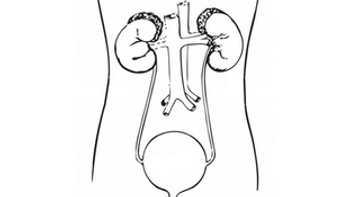
Vikram Narayan, MD, discussed the durable clinical activity observed with nadofaragene firadenovec in the CS-003 trial for patients with non-muscle invasive bladder cancer.

Toni Choueiri, MD, and the Oncology Brothers discuss the PSMAfore study evaluating health-related quality of life and pain in taxane-naïve patients with metastatic castration-resistant prostate cancer.
Medical oncologists discuss how real-world evidence from the IMDC is informing treatment decisions in GU cancer.
Focusing on renal cell carcinoma, the Oncology Brothers and Toni Choueiri, MD, discuss KIM-1, a biomarker analysis in IMmotion010.
Toni Choueiri, MD, and the Oncology Brothers discuss the role of circulating tumor DNA in treatment paradigms for patients with genitourinary cancers.
Following ASCO 2024, Toni Choueiri, MD, joins the Oncology Brothers, Rahul Gosain, MD, and Rohit Gosain, MD, to discuss recent updates from the EV-302 study investigating enfortumab vedotin plus pembrolizumab in metastatic urothelial carcinoma.

Bradley McGregor, MD, discusses how ongoing trials hold the key for further breakthroughs in genitourinary cancer treatment.
The phase 3 ENVISION study investigating UGN-102 previously met its primary end point of complete response rate.
Stephen Williams, MD, MBA, MS, FACS, FACHE, discussed updates from the SunRISe-2 study investigating TAR-200 plus cetrelimab vs chemotherapy in muscle invasive bladder cancer.
Benjamin Lowentritt, MD, discussed findings from real-world analyses looking at enzalutamide or abiraterone vs apalutamide in patients with metastatic castration-sensitive prostate cancer.
Scott T. Tagawa, MD, MS, FACP, FASCO, discusses the importance of considering a drug's overall value beyond just its initial price per mg.
The FDA has cleared a phase 2/3 trial testing KPG-121, a novel drug, combined with abiraterone for first-line treatment of metastatic castration-resistant prostate cancer.

Kim N. Chi, MD, FRCPC, discusses how the findings from the phase 3 MAGNITUDE trial translate into everyday practice.

Those with metastatic castration-resistant prostate cancer in the BRCA subgroup experienced worse outcomes vs those in non-BRCA subgroups, according to the results of the CAPTURE trial.
A new study found that Black patients with prostate cancer were less likely to get new treatments and had a higher risk of death than White patients.
Kim N. Chi, MD, FRCPC, discusses the significance of the phase 3 MAGNITUDE trial, including its evaluation on patient-reported outcomes, in patients with BRCA1/2-altered metastatic castration-resistant prostate cancer.
Dr. Motzer discusses the future of nccRCC management and emerging data or unmet needs he is following.

In this episode of Emerging Experts, Nazli Dizman, MD, shares the intricacies of her journey towards becoming an oncologist in the United States.
In an interview with Targeted Oncology, Rohan Garje, MD, discussed how mutations such as TP53, RB1, and PTEN impact overall survival in patients with metastatic prostate cancer.