
GENITOURINARY CANCERS
Latest News
Latest Videos

CME Content





























More News

Rucaparib showed a significant improvement in progression-free survival compared with docetaxel in metastatic castration- resistant prostate cancer.
BCG-unresponsive NMIBC requires vigilant surveillance during new treatments to avoid missing signs of progression and avoid delaying cystectomy, which remains the best chance for cure if intravesical therapies are failing.
BCG-unresponsive non-muscle invasive bladder cancer has multiple emerging treatment options in trials showing good response rates, though optimal sequencing remains to be determined.
TAR-200 is being studied for carcinoma in situ with or without papillary disease since it addresses diffuse CIS that cannot be surgically removed, though future trials will expand to papillary disease as adjuvant therapy like BCG, with the goal of extending the disease-free period before potentially reintroducing therapy as needed.
The TAR-200 treatment has demonstrated a favorable safety profile in clinical trial, with primarily low-grade irritated voiding symptoms that are manageable and expected with intravesical therapy, without concerning systemic side effects, making it a promising new option to delay or reduce radical cystectomy in patients with BCG-unresponsive NMIBC.

TAR-200, a novel targeted therapy, has been granted breakthrough therapy designation by the FDA in high-risk non-muscle-invasive bladder cancer that is unresponsive to Bacillus Calmette-Guérin.
No serious adverse events or dose-limiting toxicities were observed in the phase 1/2 trial of the antibody drug conjugate ARX517.
Neal Shore, MD, FACS, discussed the phase 3 EMBARK trial and what the FDA approval of enzalutamide means for the prostate cancer treatment landscape.
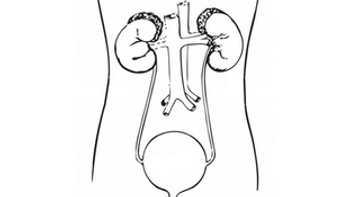
An analysis, based on data from the JAVELIN 100 Bladder trial, found the NCCN/FACT Bladder Symptom Index-18 for assessing quality-of-life in patients with advanced urothelial carcinoma to be reliable and valid.

In patients with metastatic castration-resistant prostate cancer of the adenocarcinoma phenotype, the combination of BXCL701 and pembrolizumab led to a median overall survival of 15.5 months.
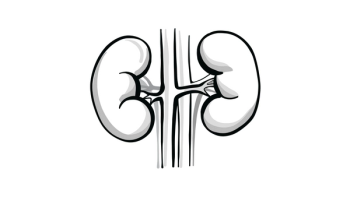
The combination of SRK-181 and pembrolizumab demonstrated improvements in objective response rate among patients with clear cell renal cell carcinoma in a phase 1 proof-of-concept study.

With an investigational new drug granted to ZH9 by the FDA, a clinical development program for the treatment of patients with non-muscle invasive bladder cancer can be initiated.

During a Targeted Oncology™ Case-Based Roundtable™ event, Benjamin Garmezy, MD, and participants discussed their takeaways from the phase 3 trials of immunotherapy and tyrosine kinase inhibitors in frontline renal cell carcinoma. This is the second article based on this event.
In the KEYNOTE-564 trial, patients with renal cell carcinoma who had a nephrectomy achieved improved overall survival rates vs placebo when treated with adjuvant pembrolizumab.
In a phase 2 trial, BXCL701 and pembrolizumab showed a significant increase in median overall survival time for patients with small cell neuroendocrine prostate cancer.

Diverse approaches to frontline treatment for metastatic urothelial cancer, including eligibility for cisplatin-based chemotherapy, alternative regimens, and the impact of drug shortages on treatment decisions.
Arlene Siefker-Radtke, MD, emphasizes the importance of early mutation profiling in metastatic urothelial cancer and highlights the potential for targeted agents and clinical trials to improve treatment outcomes.
The evolving role of biomarker testing, including PD-L1 expression and mutations like FGFR3, in guiding treatment decisions for urothelial cancer patients, shedding light on their clinical significance and potential impact on therapeutic choices.
Expert insight into the complexities of managing metastatic urothelial cancer in geriatric patients with comorbidities, highlighting the importance of aggressive therapy in improving survival outcomes.
Arlene Siefker-Radtke, MD, discusses the nuanced treatment journey of a 73-year-old man with metastatic bladder cancer, highlighting the challenges and evolving strategies in his case.

Roby Thomas, MD discusses chemotherapy shortages and the impact these shortages have had on oncology research.
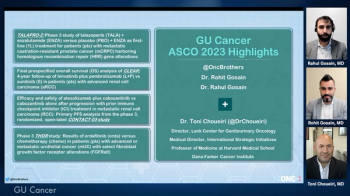
Rohit Gosain, MD, and Rahul Gosain, MD, summarize recent key data updates for genitourinary cancers following the 2023 ASCO Annual Meeting.
Expert oncologists offer insights on recent data from the THOR trial, which compared erdafitinib with chemotherapy in patients with metastatic bladder cancer.
Following ASCO 2023, experts in oncology review recent data from the CLEAR and CONTACT-03 clinical trials in the metastatic renal cell carcinoma space.
Toni Choueiri, MD, joins the Oncology Brothers, Rohit Gosain, MD, and Rahul Gosain, MD, to discuss recent updates from TALAPRO-2, which studied talazoparib plus enzalutamide in first-line metastatic castration-resistant prostate cancer.