
BRAIN CANCER
Latest News
Video Series






Latest Videos


Shorts
0:30
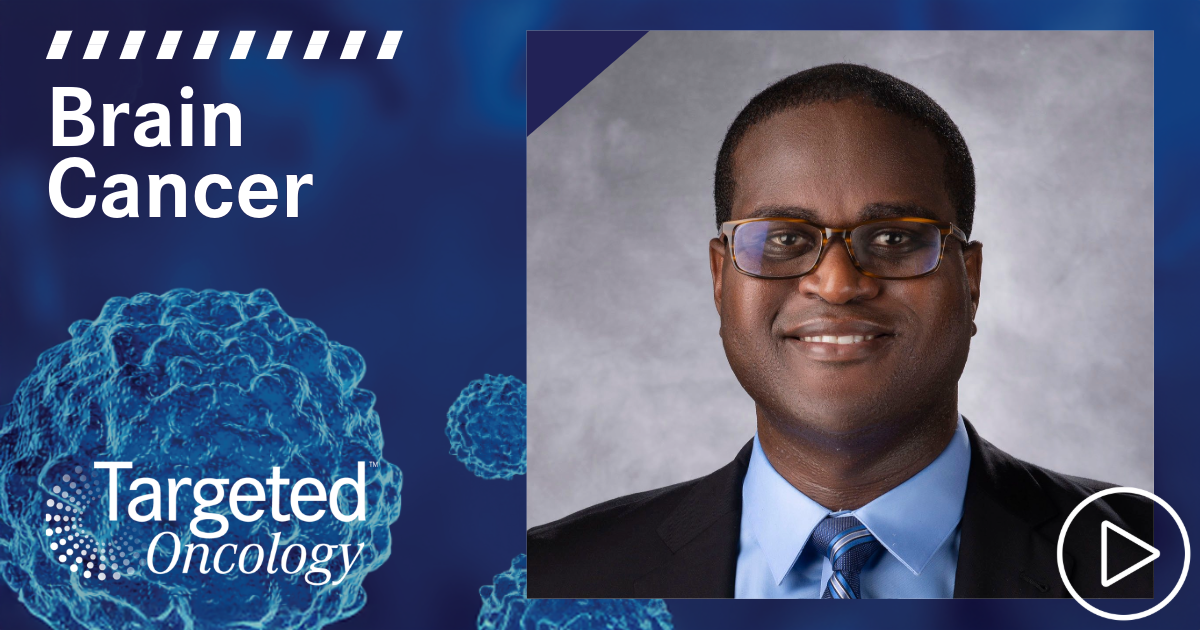
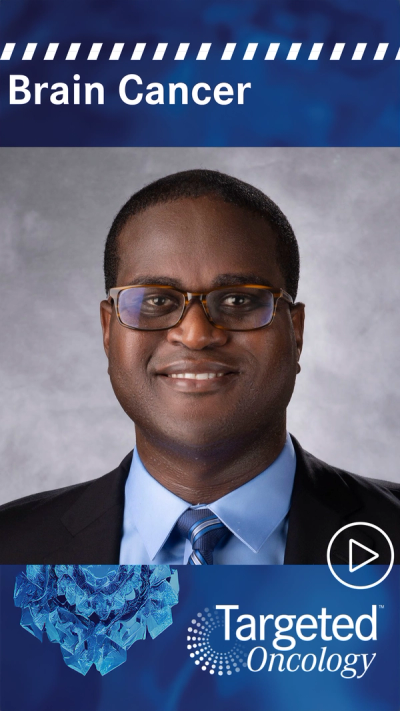
Don't Believe The Google Prognosis: New Hope For Glioblastoma
a month ago
by
Chibawanye Ene, MD, PhD
0:32
Why We Need To Look Outside the Brain to Treat Tumors
a month ago
by
Chibawanye Ene, MD, PhD

0:41
The Challenges of Treating Systemic Brain Metastases
3 months ago
by
Manmeet Ahluwalia, MD
0:59
From 6 Months to 5 Years: The New Era of Brain Metastasis Survival
3 months ago
by
Manmeet Ahluwalia, MD
Podcasts

CME Content





























More News

Phase 2 TBCRC049 trial results show tucatinib triplet therapy improves survival in HER2+ breast cancer patients with leptomeningeal metastasis.
Phase 2b data show RAD101 amino acid PET hits 90% concordance, helping distinguish brain metastasis recurrence from pseudoprogression and necrosis.
FDA grants orphan drug status to irinotecan ChemoSeed implant for high-grade gliomas, enabling sustained local brain tumor therapy and accelerating pivotal trials.
Digital twin modeling plus metabolomics predicts which drugs can starve glioblastoma, enabling faster, personalized treatment testing.

Blood biomarkers reveal which glioblastoma patients respond to Delta-24-RGD oncolytic virus plus IFN-γ, guiding personalized dosing and survival.

Experts explain how MRI trends, seizures, and spectroscopy guide when IDH-mutant glioma monitoring ends and radiation or chemo begins.
During a Case-Based Roundtable event, Timothy Cloughesy, MD, and participants discuss targeted IDH inhibition in patients with grade 2 gliomas.

Dr Manmeet Ahluwalia explores how precision oncology and targeted therapies are transforming brain metastases care, extending survival from months to years.

Global phase 3 trial tests safusidenib maintenance after chemoradiotherapy, aiming to delay recurrence and improve survival in IDH1-mutant astrocytoma.
A novel granule formulation of selumetinib shows promise for treating pediatric patients with inoperable neurofibromatosis type 1-related tumors, enhancing medication accessibility.

Phase 2 trial shows abemaciclib prolongs disease control in recurrent high‑grade meningioma with NF2/CDK alterations, with 58% PFS at 6 months.

FDA meeting guides Plus Therapeutics in advancing rhenium Re 186 obisbemeda for leptomeningeal metastases, paving the way for pivotal trials.
During a live event, Jan Drappatz, MD, and participants discussed which patients with glioma should receive IDH inhibitors and what next steps could identify who will benefit.
Discover groundbreaking advancements in glioblastoma treatment, including FDA approvals and innovative therapies reshaping neuro-oncology in 2025.
Interim results reveal RAD 101's promising potential in accurately diagnosing brain metastases, enhancing treatment decisions for patients.
Erdafitinib shows promising efficacy and manageable safety in treating recurrent gliomas with F3T3 gene fusions, according to recent trial findings.
During a live event, Jan Drappatz, MD, surveyed participants on the rationale for their choice of treatment for a 39-year-old patient with grade 2 astrocytoma.
LP-184 shows promising efficacy and safety in heavily pretreated advanced cancer patients, paving the way for innovative biomarker-driven therapies.
New phase 2 trial results reveal safusidenib's potential to significantly improve outcomes for patients with IDH1-mutant gliomas, offering hope for durable responses.
New trial data reveals IGV-001 enhances overall survival in glioblastoma patients, marking a potential breakthrough in treatment options.
The FDA fast-tracks zotiraciclib for recurrent high-grade gliomas, offering hope for patients with IDH mutations and expanding treatment options.
Vorasidenib significantly reduces tumor growth rates in grade 2 glioma patients, improving progression-free survival and time to next intervention.
Naxitamab combined with GM-CSF shows promising results in treating high-risk neuroblastoma, achieving high response rates and manageable safety profiles.
A phase 1 study reveals that sequential CR7-GD2 CAR T-cell therapy administration is better tolerated in pediatric CNS tumor patients than concurrent methods.
Tovorafenib shows promising long-term efficacy for pediatric low-grade glioma, with significant treatment-free intervals and manageable safety profile.