There is a role for these overlapping entities—guidelines and pathways—and each permits flexibility for the oncologist for available treatment options in the level and quality of data.
Robert L. Ferris, MD, PhD, is a head and neck surgical oncologist with an NIH R01 funded basic/translational immunology laboratory. He is the director of the University of Pittsburgh Medical Center Hillman Cancer Center, a Hillman professor of oncology, associate vice chancellor for cancer research, codirector of the Tumor Microenvironment Center, and a professor in the Department of Otolaryngology, of Immunology, and of Radiation Oncology.
There is a role for these overlapping entities—guidelines and pathways—and each permits flexibility for the oncologist for available treatment options in the level and quality of data.

Using combination treatments in the concurrent setting with chemotherapy, radiation therapy, or small molecule oncogene and pathway inhibitors may yield positive data in one setting but not another.

According to Robert L. Ferris, MD, PhD, there is a steady pace of drug development for head and neck cancers despite modest findings with durvalumab triplet.

In-person interactions enrich and eventually improve the outcomes that we are able to provide to our trainees, and thus to patients and the field of oncology.
The field is ripe for preventing the undesirable long-term effects of cancer treatment or reducing them altogether through de-intensification, according to Robert L. Ferris, MD, PhD.
It has taken some decades, but the identification of targets such as HER2 has enabled us to segregate cancers into different subtypes, develop novel therapeutic strategies, and eventually understand the biology distinguishing one group of patients from another, says Robert L. Ferris, MD, PhD.
One of the most exciting and successful historical demonstrations of translational immunotherapy is the development of monoclonal antibodies, says Robert L. Ferris, MD.

Nearly 20% of the world’s cancer cases are caused by viruses, and 7 viruses have been documented to cause this aggregate number of cancer cases, with HPV being the most well recognized.

In this trial, the previous observation of liver toxicity using CD137 agonism was not observed, suggesting a safe neoadjuvant dosing. Indeed, 30% of patients demonstrated pathologic responses. Further research may combine a way of overcoming immune checkpoint pathways with stimulatory agonists.
In the wake of the enthusiasm around cancer immunotherapy trial results—with several positive trials presented annually at each American Society of Clinical Oncology meeting in more and more diseases over several years—setbacks have served as a grim reminder that our work is not finished.

Exciting new knowledge and a more exquisite understanding of the role of tumor cell biology and the tumor microenvironment have driven the fields of precision oncology/genomics-based medicine and immuno-oncology/cancer immunotherapy.
"In all, these 3 exciting trials combining PD-1 or PD-L1 inhibition with targeted therapy, chemotherapy, or immune cell therapy bode well for evolving advances with this tolerable class of agents."
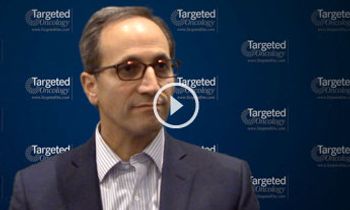
Robert L. Ferris, MD, PhD, discusses the rationale for evaluating STING agonists as treatment for patients with head and neck cancers.

"This infectious disease would have likely wiped out many communities only decades ago. It is true that our highly connected and peripatetic society may have increased exposures across the world. Yet, we have risen to the occasion and implemented public health screening, testing, and treatment strategies."
It is clear that cancer immunotherapy has progressed dramatically over the past 10 years, with over 20 FDA approvals for immune checkpoint receptor inhibitors targeting PD-1 and CTLA-4. However, we are still awaiting the next major advance in these inhibitory receptor targets that yields clinical benefit. In the meantime, additional advances have appeared.
Emerging from the recent 2019 World Conference on Lung Cancer are several notable developments, Robert L. Ferris, MD, PhD, wrote in this issue of <em>Targeted Therapies in Oncology. </em>
At the recent <em>20th Annual </em>International Lung Cancer Congress® in Huntington Beach, California, a number of very prominent contributors to the lung cancer translational and clinical field provided updates regarding novel strategies to address unmet needs.
In his editorial note, Robert L. Ferris, MD, PhD, discussed how immune checkpoint inhibitors targeting the PD-1/PD-L1 pathway have drastically changed treatment and improved outcomes across numerous solid tumors over the past 5 years. He discussed data from the 2019 ASCO Annual Meeting surrounding treatment options for head and neck cancers.
The ability to activate pattern recognition receptors, carry other genetic “cargo” to modify immunity, and induce lymphocyte infiltration into cancer is an appealing strategy accomplished by intralesional oncolytic viruses. Thus, the concept of combining these novel therapeutics in the preoperative setting to enhance in situ immunization and antitumor activity systemically, as well as to increase R0 complete resection, may be a useful approach to lead to cure, according to Robert L. Ferris, MD, PhD.
Robert L. Ferris, MD, PhD, co-physician editor-in-chief of <em>Targeted Therapies in Oncology</em>, highlights a series of exciting results presented across various topics, which affect cancer research and treatment, during the 2019 AACR Annual Meeting.
Robert L. Ferris, MD, PhD, co-physician editor-in-chief, discusses the excitement of immunotherapy at the 2019 AACR Annual Meeting and how this research can inform resarch efforts moving forward.
Robert L. Ferris, MD, PhD, Co-Physician Editor in Chief, <em>Targeted Therapies in Oncology</em>,<em> </em>discusses<em> </em>the<em> </em>evolving<em> </em>role of immunotherapy in melanoma and non–small cell lung cancer, where by it is now the dominant therapeutic approach in these diseases in progressively earlier lines of therapy.

Robert L. Ferris, MD, PhD, co-physician editor in chief of Targeted Therapies in Oncology, discusses exciting new findings and merit highlights reported in this month's issue.
Robert L. Ferris, MD, PhD, Physician Editor-In-Chief of the Journal of Targeted Therapies, discusses genomic rearrangements and the allelic fraction of that genomic rearrangement as a major component of an individual’s cancer.
The physician editor-in-chief of The Journal of Targeted Therapies in Cancer™, found 2 articles particularly interesting in this issue on therapeutic possibilities for patients with recurrent and metastatic epithelial cancers.. These articles show that combinatorial strategies harnessing conventional modalities such as radiation therapy (RT) and immune stimulatory approaches may have additional value for this population of patients.
<strong>IN THIS ISSUE OF </strong><em>The Journal of Targeted Therapies in Cancer</em>™, 2 articles in particular impressed me as reflective of the evolution and development of therapeutic possibilities for patients with recurrent and metastatic epithelial cancers. Although the 2 may initially seem to have distinct focuses, it is now becoming apparent that combinatorial strategies harnessing conventional modalities such as radiation therapy and immune stimulatory approaches may have additional value for this population of patients.
<strong>IN THIS ISSUE, INVESTIGATORS FROM</strong> Emory Winship Cancer Institute describe their experience with the so-called “abscopal effect,” which describes the ability of locally delivered radiation therapy to trigger distant antitumor effects. R. H. Mole, BM, FRCP, first coined the term abscopal effect as “an action at a distance from the irradiated volume but within the same organism” in 1953.