
New findings from the TEM-GBM study reveal promising survival rates for patients with glioblastoma treated with the experimental gene therapy Temferon.
Paige Britt is an assistant editor for Targeted Oncology covering gyencologic cancers and lyphomas. Contact her at pbritt@targetedonc.com.
New findings from the TEM-GBM study reveal promising survival rates for patients with glioblastoma treated with the experimental gene therapy Temferon.

The OptiTROP-Lung05 trial shows promising results for sacituzumab tirumotecan combined with pembrolizumab in treating advanced non–small cell lung cancer.

Emerging research highlights the challenges and potential of ctDNA in managing minimal residual disease in breast cancer, paving the way for innovative treatment strategies.
Circulating tumor DNA (ctDNA) revolutionizes minimal residual disease detection, offering a less invasive, real-time method to monitor cancer and guide treatment.
AVZO-103 receives FDA fast track designation, offering hope for advanced urothelial cancer patients previously treated with enfortumab vedotin.
The PACIFIC-2 trial reveals that durvalumab with chemoradiotherapy offers no survival benefits for stage 3 NSCLC and increases treatment-related risks.

Selinexor-based therapies enhance T-cell activation in multiple myeloma patients, revealing potential strategies for improving treatment efficacy and overcoming resistance.
A recent study reveals cognitive behavioral therapy significantly enhances lung cancer patients' ability to manage dyspnea and anxiety, improving overall quality of life.

Isatuximab shows promising efficacy and safety for relapsed AL amyloidosis, achieving high response rates and favorable survival outcomes in a phase 2 trial.
The FDA approves enfortumab vedotin and pembrolizumab for muscle-invasive bladder cancer, significantly improving survival rates post-surgery.

The JULIET trial reveals long-term efficacy and safety of CAR-T therapy tisagenlecleucel in relapsed/refractory large B-cell lymphoma patients.
A clinical study reveals that combining third-generation tyrosine kinase inhibitors with azacitidine effectively treats chronic myeloid leukemia, showing promising patient outcomes.

A novel combination therapy shows promising results in extending progression-free survival for patients with advanced pancreatic cancer, highlighting potential biomarkers for immunotherapy.

New research reveals that high CD8-positive T-cell infiltration worsens outcomes for ovarian cancer patients treated with bevacizumab, challenging existing prognostic models.
The FDA has approved daratumumab and hyaluronidase plus chemotherapy for treating patients with newly diagnosed light chain amyloidosis.
A novel sandwich therapy combining CD22/CD19 CAR T-cell therapy and autologous stem cell transplantation shows remarkable efficacy in treating Ph-negative B-ALL.
Small cell lung cancer treatment evolves with groundbreaking therapies, improving survival rates and offering new hope for patients in 2024 and beyond.
FOG-001 receives FDA fast track designation, promising new hope for desmoid tumor patients with its innovative approach to treatment.

New clinical trial data highlight the promising antitumor effects of imneskibart combined with aldesleukin in patients with melanoma or NSCLC.
A groundbreaking clinical trial begins for 225Ac-SSO110, targeting aggressive cancers like extensive-stage small cell lung cancer and Merkel cell carcinoma.
New trial data reveals STK-012 combined with pembrolizumab and chemotherapy shows promising efficacy in treating PD-L1 negative non-small cell lung cancer.
A coclinical trial reveals a promising triplet therapy for advanced HR+ breast cancer, highlighting the importance of genetic profiling in treatment efficacy.
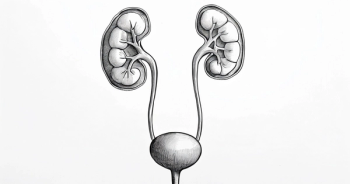
Zelenectide pevedotin shows promising antitumor activity and manageable safety in advanced solid tumors, particularly urothelial carcinoma, in recent clinical trials.
A phase 1b trial reveals the safety and potential efficacy of combining PolyPEPI1018 vaccine with TAS-102 in treating advanced colorectal cancer.
Glofitamab and polatuzumab vedotin show promising efficacy and safety in treating relapsed/refractory large B-cell lymphoma, with durable responses reported.
Belzutifan shows promising disease control and manageable safety in advanced VHL disease, with notable tumor responses and anemia as a common adverse effect.

A study reveals that lower KIM-1 levels predict better outcomes in advanced renal cell carcinoma patients treated with nivolumab and ipilimumab.
The DISCUS trial reveals that shorter systemic therapy improves quality of life for advanced urothelial cancer patients, challenging traditional treatment durations.
Nivolumab combined with visugromab demonstrates enhanced efficacy and tolerability in treating muscle-invasive bladder cancer, outperforming placebo in a recent trial.
A phase 1 trial reveals that combining radiotherapy with immunotherapy enhances response rates in B-cell lymphomas while maintaining manageable safety profiles.