
Based on findings from extended follow-up analysis of the phase 2 ELARA study, tisagenlecleucel is a beneficial treatment for patients with relapsed or refractory follicular lymphoma.
Based on findings from extended follow-up analysis of the phase 2 ELARA study, tisagenlecleucel is a beneficial treatment for patients with relapsed or refractory follicular lymphoma.

Liso-cel demonstrated meaningful EFS improvement as a second-line therapy in patients with LBCL.

Results from prespecified subgroup analyses of the phase KEYNOTE-522 study were presented during 2021 SABCS.

Phase 1 data indicate that ADP-A2AFP SPEAR T cells are effective and tolerable in patients with advanced hepatocellular carcinoma.
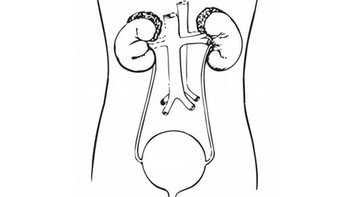
A study has confirmed that androgen receptor inhibition did not complicate robotic prostatectomy surgical outcomes in patients with prostate cancer.

In patients with metastatic or locally advanced urothelial carcinoma harboring FGFR alterations, erdafitinib (Balversa) in combination with cetrelimab displayed clinically meaningful responses.
Administration of direct intramural injection and intravesical instillations of large surface area microparticle docetaxel may be safe and effective in high-risk non-muscle invasive bladder cancer using a particular technique.
Prospective clinical trial results of lutetium-PSMA suggest the therapy is safe for patients with locally advanced high-risk prostate cancer.

A phase 3 trial has been initiated to explore the potential of a triplet regimen of tafasitamab-cxix, lenalidomide, and R-CHOP as a treatment options for patients with newly diagnosed diffuse large B-cell lymphoma.

A favorable safety profile and promising efficacy was seen with C-CAR066, a novel 2nd generation chimeric antigen receptor T-cell therapy targeting the CD20 antigen, in adult patients with relapsed/refractory B-cell non-Hodgkin lymphoma who failed with prior CD19 CAR T-cell therapy.
Data presented at the 2021 virtual ASCO Annual Meeting showed the benefits of adding nivolumab to chemotherapy treatment compared to chemotherapy alone, in patients with resectable non-small cell lung cancer.

The novel agent, zenocutuzumab demonstrated promise as treatment of patients with NRG1 fusion–positive cancers, in the phase 1/2 eNRGy study.
Progression-free survival and disease control in patients with advanced synovial sarcoma was improved by catequentinib.