
The results support the potential for treatment de-escalation after hysterectomy for women with early-stage, intermediate-risk cervical cancer.
The results support the potential for treatment de-escalation after hysterectomy for women with early-stage, intermediate-risk cervical cancer.
The CAR-T treatment GLPG5101 received the FDA's RMAT designation by showing promising efficacy with rapid delivery and low toxicity in mantle cell lymphoma.
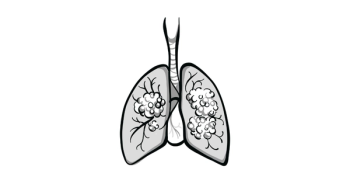
The NCCN added critical guidance on Lambert-Eaton myasthenic syndrome to its recommendation for the diagnosis and treatment of small cell lung cancer.

Despite its increased use, immunoglobulin replacement therapy does not lower the risk of serious infection in patients with chronic lymphocytic leukemia.
The FDA has cleared investigational new drug applications for ZW251 and RV‑01, advancing novel treatments for solid tumors in first-in-human trials.
The CDK2 inhibitor INCB123667 showed positive efficacy and safety signals in platinum-resistant/refractory ovarian cancer.

New research suggests that certain patients with low-risk thyroid cancer can safely forgo postoperative radioiodine ablation without compromising long-term outcomes.

A study reveals that venetoclax consolidation after BTKi therapy is effective for chronic lymphocytic leukemia, offering promising outcomes for patients.
Despite major advances, real-world data show diminishing survival outcomes and treatment-limiting toxicities in second line or later CLL treatment.
The survival benefit with cadonilimab in cervical cancer in the overall phase 3 COMPASSION-16 study population was sustained across prespecified subgroups.
DZD8586 achieved a high response rate in patients with relapsed/refractory CLL/SLL.

Radium-223 in mCRPC showed long-term favorable safety, low second primary malignancies/fracture rates, and consistent overall survival.
Patritumab deruxtecan did not improve overall survival compared to chemotherapy in EGFR-mutated NSCLC, despite showing PFS and ORR benefits previously.
The next-generation KRAS G12C inhibitor MK-1084 showed promising efficacy and safety as a single agent and in combinations for advanced colorectal cancer.
Anlotinib plus chemotherapy has emerged as a first-line alternative to bevacizumab/chemotherapy in RAS/BRAF wild-type metastatic colorectal cancer.

Invikafusp alfa elicited clinically meaningful antitumor activity in patients with advanced solid tumors resistant to anti–PD-1/PD-L1 agents.

A retrospective analysis showed higher response rate for cabozantinib/nivolumab vs. lenvatinib/pembrolizumab in advanced RCC, with no significant survival or safety differences.
Combining the antibody-drug conjugate disitamab vedotin with BCG elicited a high complete response rate in patients with HER2-expressing, high-risk NMIBC.
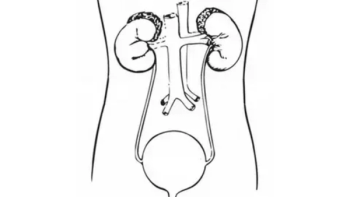
The gene therapy nadofaragene firadenovec demonstrated strong clinical activity in Japanese patients with BCG-unresponsive non–muscle-invasive bladder cancer.

Melphalan flufenamide (melflufen) is approved in Europe for relapsed/refractory multiple myeloma, but the FDA withdrew its approval of the treatment last year.

Nivolumab plus ipilimumab showed a strong median overall survival (OS) advantage at 12 months and a trend toward overall prolonged OS vs SOC in non-clear cell renal cell carcinoma.

Neoadjuvant nivolumab/chemotherapy followed by response-stratified de-escalated chemoradiation showed strong potential in HPV-negative head and neck cancer.

The FDA is evaluating a new drug application for taletrectinib in patients with ROS1 fusion–positive non–small cell lung cancer.

Vepdegestrant extended PFS vs fulvestrant in patients with ESR1m+, ER+/HER2– breast cancer who progressed on CDK 4/6 inhibitors and endocrine therapy.
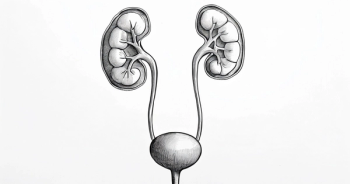
The antibody-drug conjugate FOR46 showed the strong potential of using CD46 as a new therapeutic target in metastatic castration-resistant prostate cancer.
The TKI zongertinib is currently being reviewed by the FDA for a potential approval for patients with HER2 mutation–positive non–small cell lung cancer.

Mutant KRAS in ctDNA in patients with localized pancreatic cancer was shown to be a biomarker for metastatic progression and overall survival.

The anti–PD-1/VEGF combination of pembrolizumab and bevacizumab elicited strong clinical activity in patients with melanoma brain metastases.

The off-the-shelf chimeric antigen receptor T-cell therapy P-BCMA-ALLO1 was shown to be safe and elicited strong anti-tumor activity in patients with relapsed/refractory multiple myeloma.

The addition of 177Lu-PSMA-617 to enzalutamide significantly improved overall survival and QOL in patients with metastatic castration-resistant prostate cancer.