Articles by Greg Kennelty
Targeted Oncology spoke with Andrew S. Chi, MD, PhD, head of Neuro-Oncology at NYU Langone's Laura and Isaac Perlmutter Cancer Center, on recent developments in the treatment paradigm for patients with brain cancer, including his recent study into mutant IDH1 gliomas and the role of the NAD metabolite.

Adjuvant chemotherapy was associated with improved overall survival (OS) compared with observation postcystectomy in patients with pathologic T3/4 and/or pathologic node-positive bladder cancer, according to a retrospective analysis published in the Journal of Clinical Oncology.

Matthew Cooperberg, MD genitourinary cancer specialist, University of California San Francisco (UCSF), discusses the varying management techniques for both low- and high-risk prostate cancers, including radiation therapy, surgery, hormonal therapy, and active surveillance.

A team of researchers at both the Fred Hutchinson Cancer Research Center and Johns Hopkins Medical Institute have discovered that cancer metastization occurs through the migration of malignant cells in groups, rather than single cells, in a recent study.

Patrick Borgen, MD, speaks out on the recently approved USPSTF breast cancer screening guidelines.
With atezolizumab (MPDL3280A) showing great potential as a treatment for patients with non
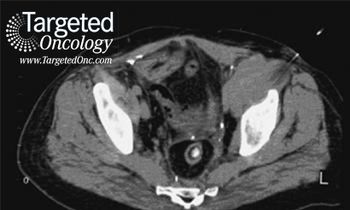
Shreyaskumar R. Patel, MD and Jonathan C. Trent, MD discussed the use of trabectedin and the future of the treatment paradigms in soft tissue sarcoma.

A recent preclinical study conducted by researchers at the The University of Chicago Medical Center suggests that the antibiotic monensin may be effective in combating such a malignancy.
The presence or absence of certain serum-free fatty acids could be an excellent diagnostic tool to differentiate between patients with either benign thyroid diseases or thyroid cancer.

A comparison preclinical study pitting a sugary diet with one less sweet shows the former resulting in increased breast cancer tumor growth and metastasis.

A gene associated with the suppression of tumor growth has been found to act in the opposite manner in some forms of colorectal cancer (CRC), according to researchers at the University of Missouri School of Medicine.

With an expanding treatment paradigm for patients with colorectal cancer (CRC) at their fingertips, oncologists are working out the best methods of use for their new armamentarium, says John L. Marshall, MD.

An upcoming phase I trial seeks to evaluate a combination of interferon gamma-1b (ACTIMMUNE) and nivolumab (Opdivo) in patients with advanced solid tumors who have progressed on at least one prior systemic therapy.
A high number of clinically relevant genomic alterations (CRGAs) were found in patients with advanced urothelial carcinoma (UC) using a comprehensive genomic profile (CGP).
With a renewed armory of treatments consisting heavily of immunotherapies, urologists can employ new paradigms of treatment for patients with metastatic castration-resistant prostate cancer (mCRPC).
The phase III METRIC trial is an ongoing randomized trial in triple-negative breast cancer that evaluated the safety and efficacy of the antibody-drug conjugate glembatumumab vedotin.
Leonard Saltz, MD, discusses VEGF inhibitors, their history and why oncologists might be overestimating the treatment.

The FDA has granted a priority review for a supplemental new drug application for crizotinib (Xalkori). The indication is for patients with ROS1-positive metastatic non-small cell lung cancer (NSCLC).

A new study from the University of California, Los Angeles shows that less than 5% of men who opt for active surveillance of their low-risk prostate cancer receive the proper amount of monitoring.
Rindopepimut is the first immunotherapy to have ever shown a survival benefit in brain cancers, specifically glioblastoma, said David Reardon, MD.

A combination of the anti-PD-L1 immune checkpoint inhibitor durvalumab with the anti-CTLA-4 monoclonal antibody tremelimumab showed improved tumor response in patients with advanced NSCLC.
The PD-1 inhibitors pembrolizumab and nivolumab should be considered for all patients with advanced NSCLC, said Roman Perez-Soler, MD.

Therapies in the adjuvant setting like trastuzumab (Herceptin) and neratinib have shown more durable responses in patients with HER2+ breast cancer, as opposed to long-term treatment, said Mohammad Jahanzeb, MD.

A team of scientists from Virginia Tech Carilion Research Institute and clinicians from Carilion Clinic may have found a way to increase sensitivity to the front-line chemotherapeutic agent temozolomide (TMZ) in glioblastoma (GBM), even after resistance.

Despite the small size of the pigeon brain, our Columba livia counterparts have performed just as well as humans in distinguishing between normal tissue and breast cancer tissue in a study performed by researchers at the University of Iowa and the University of California, Davis.

From its approval in May 2013 to recently being considered as a combination treatment with other drugs, radium-223 dichloride shows great potential in positively impacting treatment for mCRPC, according to Dr. Michael Morris.

Dead bacteria cells and bacteria excretions from Clostridium sporogenes have successfully been used to kill colorectcal cancer cells in a preclinical study performed by researchers at the Nanyang Technological University in Singapore.

Patients with ovarian cancer who have high-to-medium expression of folate receptor alpha responded well overall to mirvetuximab soravtansine.

Treatment of patients with non-small cell lung cancer (NSCLC) should be based on the identification of rare molecular targets such as BRAF, RET, ROS1, and MET versus clinical characteristics.

From just chemotherapy to molecular and immune focused therapies, the landscape of non-small cell lung cancer (NSCLC) has drastically changed over the course of the last 10 years according to Heather Wakelee, MD.