
Ramesh K. Ramanathan, MD, discusses clinical trials investigating combination treatments with standard chemotherapies to improve outcomes in pancreatic cancer.
Ramesh K. Ramanathan, MD, discusses clinical trials investigating combination treatments with standard chemotherapies to improve outcomes in pancreatic cancer.

Lisa Carey, MD, discusses the current state of the science in TNBC, the potential for immunotherapy, and future treatment approaches she anticipates in the coming years.

Joel Neal, MD, PhD, discusses how recent immunotherapy advances are transitioning the field of NSCLC and how the impact of molecular testing continues to shape treatment decisions.
Mohammad Jahanzeb, MD, discusses why researchers must work on identifying targetable mutations in these non-driver adenocarcinomas and shares his insight on other trends and challenges in the field.
Melanie E. Royce, MD, PhD, discusses the recent progress in the landscape of HER2-positive breast cancer and what she envisions future treatment approaches will be for patients.
Joyce A. O’Shaughnessy, MD, addresses some of the key issues in breast cancer and shared her expert insight on where TNBC treatment is headed based on recent findings.
A prospective study is looking at whether breast cancer surgery can be eliminated in patients who respond well to neoadjuvant systemic therapy.
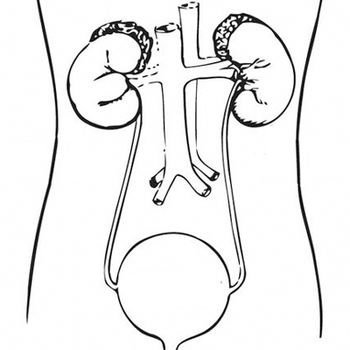
Thomas E. Hutson, DO, PharmD, discusses the power of the lenvatinib/everolimus combination and how and when the regimen should be used in patients with advanced renal cell carcinoma.
Chung-Han (Joe) Lee, MD, discusses recent treatment approvals in RCC, current and emerging treatments and strategies, and the significance of clinical trial enrollment.
Michael J. Morris, MD, discusses the use of bone-seeking radiopharmaceuticals in prostate cancer, with a specific focus on radium-223.
Mark G. Kris, MD, shares his thoughts on the prominent advancements in the field of lung cancer, how liquid biopsies are shaping treatment decisions, and his predictions for the years ahead.
Gopa Iyer, MD, discusses the standard chemotherapy options available for patients with bladder cancer, the ongoing progress with immunotherapy, and the management of immune-related toxicities.
Dean Bajorin, MD, discusses the ongoing studies exploring new chemotherapy approaches in these patients and how the cytotoxic treatments could still ultimately be replaced with immuno-oncology agents.
Paul Kelly Marcom, MD, discusses the future landscape of HR-positive breast cancer, highlighting the influence of CDK4/6 inhibitors and targeted agent/endocrine therapy combinations.
According to results presented during the 2016 San Antonio Breast Cancer Symposium, neoadjuvant combination of CDK4/6 inhibitor abemaciclib plus anastrazole may represent a novel therapeutic option for patients with hormone receptor (HR)-positive, HER2-negative early breast cancer.
Recent promising findings with the neoadjuvant combination of the CDK4/6 inhibitor abemaciclib with anastrozole could lead to a novel therapeutic option for patients with hormone receptor (HR)–positive, HER2-negative early breast cancer.
Denise A. Yardley, MD, shares the rationale for the METRIC trial, the uniqueness of glembatumumab vedotin, and how the antibody-drug conjugate has the power to transform the field of triple-negative breast cancer.

Clinical trial findings from the past year will likely have a game-changing effect on the multiple myeloma landscape, according to Rafael Fonseca, MD.

The promising clinical efficacy seen with the combination of erlotinib and bevacizumab as a treatment for patients with <em>EGFR</em>-mutant non–small cell lung cancer warrants widespread consideration.
Practitioners received insight into treating patients across the GI field during the GI cancers track at the 2016 Chemotherapy Foundation Symposium.
Targeted therapies have revolutionized the treatment of patients with non–small cell lung cancer; however, not all patients harbor identifiable driver mutations. Standard treatment options among patients lacking molecular targets include chemotherapy and antiangiogenesis agents.
Findings from a highly anticipated, randomized, phase II trial could possibly pave the path for the FDA approval of the first targeted therapy for patients with triple-negative breast cancer (TNBC), explains Linda T. Vahdat, MD.<br />
Bertram Yuh, MD, discussed the selection of surgery or radiation therapy in patients with localized disease, as well as the potential for using active surveillance with these patients.
Ensartinib (X-396), a novel small-molecule tyrosine kinase inhibitor (TKI) developed to target patients with ALK-positive non–small cell lung cancer (NSCLC), demonstrated promising clinical activity in that subset of patients who are crizotinib (Xalkori)-naïve or crizotinib-resistant.
In an interview, Yvonne Saenger, MD, discussed ongoing developments with immunotherapy in melanoma.
Clayton S. Lau, MD, highlights the importance of active surveillance, the evolution of surgical techniques and radiation therapy, and the steps oncologists should take once early-stage prostate cancer progresses.
Alessandra Ferrajoli, MD, discusses the challenge with secondary malignancies in patients with CLL.
William G. Wierda, MD, PhD, discusses provided his expert insight on the frontline treatment of patients with CLL.
In an interview with<em> Targeted Oncology</em>, Kimberly L. Blackwell, MD, discusses the latest therapeutic developments for patients with HER2-positive breast cancer while providing insight on the hurdles that still remain.
Loretta J. Nastoupil, MD, discusses ongoing lymphoma clinical trials and how practitioners can better identify high- and poor-risk patients with large cell lymphomas.